
Reviewed · ABU SIMBEL DAY TRIPS
4 Days Luxor, Edfu, Kom Ombo, Aswan,Abu Simbel Temples
Ancient Egypt, but with smart timing. This 4-day Upper Egypt route is a very workable way to see Luxor Temple and the big-name temple circuit, with a private Egyptologist to translate what you are looking at and included admission so you are not hunting ticket lines. The one drawback is real, the early wake-up for Abu Simbel at 3:30 AM.
I like that the trip is built around smooth transfers, with pickup and drop-off options in Luxor or Aswan and private, air-conditioned vehicles. You also get a hotel stay for 3 nights, plus daily breakfast, and a free dinner included on day one in Luxor.
One more thing to consider: the days are long, especially the West Bank day and the Abu Simbel morning. If you hate early starts and packed schedules, you might feel rushed. If you are the type who wants maximum ancient-site value in a short window, this is a strong fit.
In This Review
- Key highlights at a glance
- Luxor Temple to start, not sprint
- Karnak Temple and the West Bank loop that actually makes sense
- Edfu: Horus temple in a best-preserved kind of way
- Kom Ombo’s double entrance and why it feels different
- Abu Simbel at 3:30 AM, and yes, it is worth the alarm
- Hotel nights, breakfast rhythm, and how the guide support shows up
- Price and Logistics: what $900 gets you, and what to budget for
- What to expect on your feet: timing, pacing, and staying comfortable
- Who this tour is best for
- Should you book this Luxor to Abu Simbel tour?
- FAQ
- How long is the tour from Luxor to Abu Simbel?
- Where can you be picked up, and where do you get dropped off?
- What’s included in the price?
- Are entrance tickets included for the main sites?
- Is Abu Simbel an early morning departure?
- Is tipping included?
- How much do children pay?
- What happens if the tour is canceled due to poor weather?
Key highlights at a glance
- Private Egyptologist guidance focused on what you are actually seeing, not just reciting dates
- Entrance fees included across the 4 days, so the main attractions are covered
- Luxor Temple on day one lets you ease in before the long sightseeing days
- Valley of the Kings and Hatshepsut on the West Bank day for major New Kingdom hits
- Edfu and Kom Ombo temples that feel like a temple-hopping best-of route
- Abu Simbel at 3:30 AM for the iconic Ramses II complex with pre-dawn travel
Luxor Temple to start, not sprint
Day one is a gentle landing. You are met at Luxor airport (and the transfer options also include train station or hotel pickup) and whisked to your hotel in a private vehicle. A tour administrator helps you check in and confirm the timing of pick-ups and drop-offs for each day, which matters because Egypt logistics run smoother when the plan is clear and in writing.
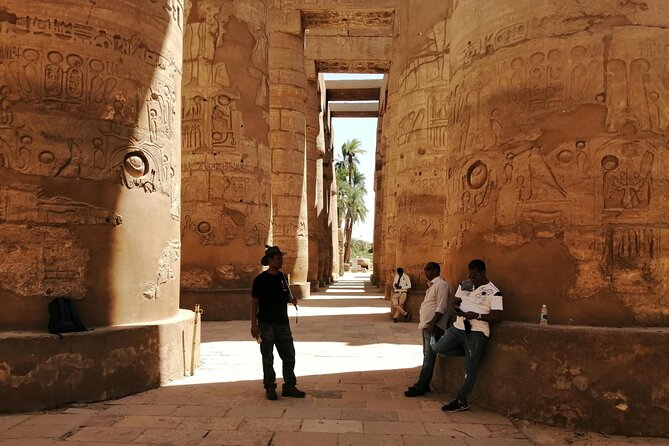
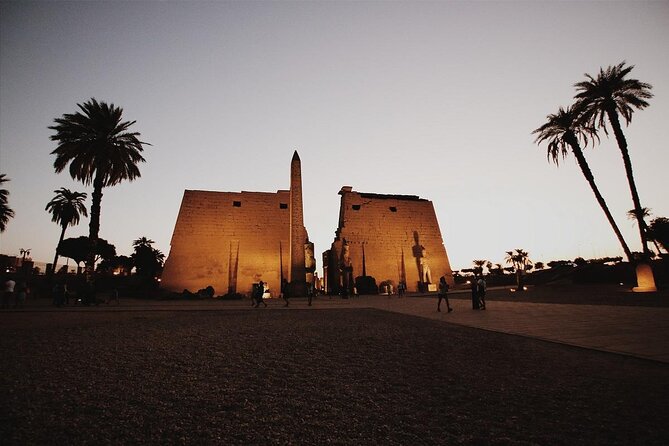
Once you are settled, you go to Luxor Temple. This is a great first stop because it sets the mood without forcing you into a huge, multi-site day right away. It is the kind of site where you start noticing patterns fast: gates, columns, and temple layouts that make the later stops easier to read.
Practical value here: you are not scrambling after arrival. Even the evening is handled, with a free dinner at your lodge in Luxor before you get a proper night of sleep. That sleep is not a bonus, it is insurance for the full days coming next.
More Abu Simbel runs:
- Luxor: Abu Simbel Temple Private Guided Day Trip with Lunch
★ 4.6 · 546 reviews - 4 Nights Luxor to Aswan Nile cruise with Abu Simbel&Air Balloon
★ 5.0 · 155 reviews - 4 Days Aswan and Luxor Nile cruise&Abu Simbel by plane from Cairo
★ 5.0 · 155 reviews
Karnak Temple and the West Bank loop that actually makes sense
The second day is long, but it is built like a logical sightseeing loop. You start with breakfast, then head out under expert escort to the West Bank highlights. The day’s anchor stops include:
- Valley of the Kings, where you see the tombs of New Kingdom rulers and get a real feel for why this area is so important
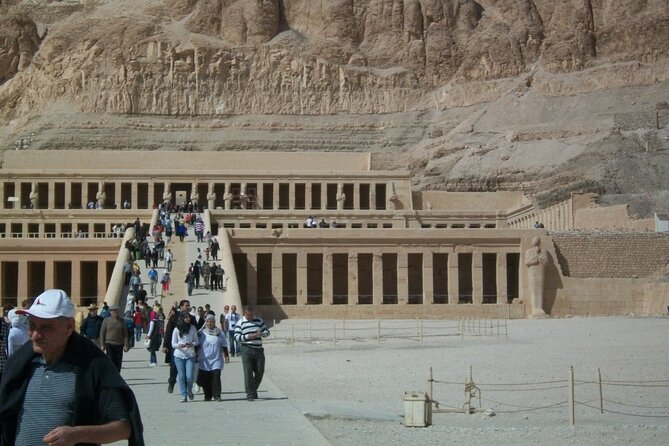
- Temple of Hatshepsut, known as the only female temple in Egypt, built by Hatshepsut in the 18th Dynasty era
- Colossi of Memnon, the massive statues linked to the mortuary setting of Amenhotep III
Even if you have read about these places before, the difference with a guide who can explain what you are standing in front of is huge. Hatshepsut is a perfect example: the story is the point. You learn that this architecture was created by the daughter of Thutmosis I and tied to her rule, which helps you look past the “big stone blocks” view.
The Colossi are another place where context makes your photos better. You are not just photographing statues, you are understanding them as part of Amenhotep III’s mortuary idea.
One note on effort: this is a classic full-day outing. The upside is that you get major West Bank power in one shot. The potential downside is fatigue if you are heat-sensitive or if you are the type who needs frequent breaks. Plan for it, and it will feel like a productive day, not a grind.
Edfu: Horus temple in a best-preserved kind of way
On day three, you check out after breakfast in Luxor and head out early for Edfu Temple, dedicated to Horus. The big selling point here is preservation. You are visiting the kind of cult temple many people consider the best-preserved in Egypt, so details survive in a way that makes interpretation easier.
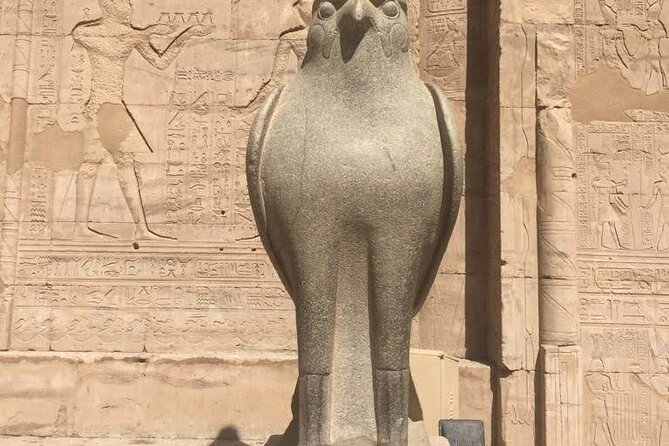
The myth angle is not just trivia. According to the tradition explained on this route, Edfu is linked with Horus avenging the murder of his father Osiris by killing Seth. When your guide frames that story while you walk through the temple spaces, the carving-filled walls stop feeling random.
After Edfu, you drive toward Koum Ombo (Kom Ombo) and shift to the next temple complex, which keeps the day efficient. You spend less time “traveling to get to the next thing” and more time with the actual monuments.
If you want a temple day that feels cohesive, this is the one. Edfu is very readable. The carvings and temple layout give you something to look for, and your Egyptologist can point out what matters.
Kom Ombo’s double entrance and why it feels different
Kom Ombo is where you get a noticeable change in temple design logic. The temple sits on higher ground overlooking the Nile, which helps you grasp how it fits into its surroundings.
What makes it special is the double entrance, with each entry dedicated to a different divinity. One side is described as dedicated to Haroeris, represented with a falcon head. That concept matters because it explains why the complex does not feel like a simple copy of other temples you have seen.
Instead of treating it like “another temple,” you start noticing how the place was planned. You are looking at an intentional split, a way of organizing sacred space for more than one divine focus.
This is also the right tempo after Edfu. You have the big, famous circuits behind you, and now you are seeing something a little more unusual in layout. If you enjoy pattern recognition in ancient sites, this stop delivers.
Other Luxor options on the table
- Hurghada: Luxor Valley of the Kings & Tutankhamun Tomb Trip
★ 4.7 · 13,208 reviews - Luxor Day Trip from Hurghada Small Group & Tutankhamun Tomb
★ 4.8 · 5,366 reviews - Hot Air Balloon Ride in Luxor Egypt with Transfers Included
★ 5.0 · 4,319 reviews - Luxor: Shared Full-Day Tour to Luxor West and East Banks
★ 4.5 · 1,812 reviews
Abu Simbel at 3:30 AM, and yes, it is worth the alarm
Day four is the adrenaline day, the one that forces you into pre-dawn time. You get breakfast in Aswan in the form of a breakfast box, then you check out. The schedule starts at 3:30 AM with transfer by private air-conditioned van to Abu Simbel.
This is not subtle. If you hate getting up early, set expectations now. But also keep expectations realistic: Abu Simbel is one of Egypt’s most iconic monuments, and the route is designed so you reach it efficiently.
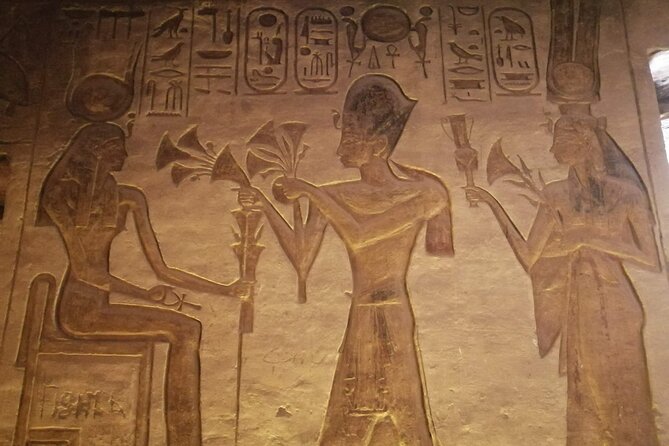
At Abu Simbel, you visit two temples built by King Ramses II. The description you will hear focuses on:
- The larger temple, dedicated to Rahorakhty
- The smaller temple, dedicated to Ramses II and Queen Nefertari
You also get historical framing before you even walk into the complex. The site was known in ancient times as Meha, and it is described as being documented in the 18th Dynasty when Ay and Horemheb had rock-cut chapels carved in the hills to the south. That kind of background helps you understand Abu Simbel as a long-term sacred focus, not just a modern photo spot.
After your day tour, you drive back to Aswan airport for travel back to Cairo. In other words, the day is designed to end with transport handled, not with you improvising your own final leg.
Hotel nights, breakfast rhythm, and how the guide support shows up
You get 3 nights of hotel accommodation with breakfast daily. That matters because the schedule includes early starts and long days, and breakfast coverage keeps you from turning ancient-site days into a search for food.
There is also a free dinner included on day one in Luxor. That is a nice touch for the first night because it reduces one decision point after arrival.
The tour is escorted by an Egyptian tour guide degree qualified in Egyptology, with a private qualified Egyptologist who answers your questions. That means the experience is not only about walking between monuments. You are encouraged to ask what you want to know, and the guide role is to make the site readable.
Names from past clients are a helpful clue about how the human side works. People describe strong communication and support from organizers such as Ashraf and Ash, and they specifically mention guide experiences with Asmaa in Aswan and Mohammed in Luxor, plus Ahmed as someone who handled arrangements smoothly. The through-line is responsiveness, not leaving you to fend for yourself when you have doubts.
Value check: this is the kind of support that saves time. In a place where signage can be confusing and languages vary, getting answers on the spot beats trying to reconstruct the meaning later.
Price and Logistics: what $900 gets you, and what to budget for
The price is listed at $900 per person for about 4 days. The value is strongest when you look at what is included:
- Hotel accommodation for 3 nights
- Breakfast daily (3 breakfasts)
- Egyptologist-guided escort
- Entrance fees for all sights over the 4 days
- Airport arrival and departure via private modern air-conditioned vehicles
- Pickup and drop-off options from Luxor or Aswan points such as the airport, train station, or hotel
When entrance fees and guide time are included, your per-day math gets simpler. You are paying for the “full package” experience, with less risk of surprise add-ons for tickets or basic transport.
What is not included is also clear: tipping and extra service. You will want to budget for tips, especially because you are getting a guide and driver team across multiple days.
Group discounts are mentioned, and the experience is private for your group. So if you are traveling with friends or family, the cost can get friendlier while keeping the same private guide setup.
My practical advice on value: if you are the type who would otherwise pay for separate guides and separate tickets, this kind of package usually feels like a win. If you already have a guide and you know your ticket strategy, you might compare, but for most first-timers, having it all organized is worth paying for.
What to expect on your feet: timing, pacing, and staying comfortable

This trip works fast. You should plan for:
- A day-one arrival and temple visit in Luxor
- A long day on the West Bank route
- Another full day moving from Edfu to Kom Ombo
- A final day that starts extremely early for Abu Simbel
Because the itinerary is built around multiple major sites, downtime is limited. That is normal, but it is why your comfort choices matter.
Bring what helps you enjoy stone and sun without resentment: a hat, water, sun protection, and shoes that handle uneven ancient-stone paths. If you are sensitive to heat, early morning and late-day sessions will feel better, and the Abu Simbel pre-dawn start is your proof that Egypt sometimes runs on its own clock.
Also, be ready for the emotional pacing of temple visits. You are not just “seeing stuff.” You are learning patterns, gods, dynasties, and temple purposes in sequence. That can make the last two days feel like they come at you quickly, but it also makes you feel like your brain is finally keeping up with what the carvings mean.
Who this tour is best for
This experience is a strong match if you want a short, focused Egypt arc in Upper Egypt. It suits:
- First-timers who want major highlights without planning every leg
- History-minded travelers who enjoy context while walking through sites
- Small groups or couples who want private guidance rather than crowded group tours
- People who like the idea of a qualified Egyptologist answering questions in real time
If you want a very relaxed pace with long free time each day, this may feel structured. The trade-off is you get a lot of ancient-site value inside a tight schedule, ending with Abu Simbel and then onward travel from Aswan.
Should you book this Luxor to Abu Simbel tour?
I would book it if your priority is maximum site coverage with included entrance fees, private transfers, and an Egyptologist who helps you understand what you are seeing. The biggest reason is practical: the trip removes a chunk of stress, arrival to airport drop, hotel coverage, tickets, and guided interpretation.
I would hesitate only if you dread early mornings and packed days. The Abu Simbel start at 3:30 AM is the clear pressure point, and the West Bank day also demands energy.
One smart decision tip: be honest about your energy level for day four. If you can handle a pre-dawn alarm, this tour has exactly the kind of payoff you remember for years. If you cannot, ask yourself if you would rather see fewer sites at a slower pace.
FAQ
How long is the tour from Luxor to Abu Simbel?
The experience is listed as 4 days approximately, with 3 nights of hotel accommodation.
Where can you be picked up, and where do you get dropped off?
Private air-conditioned vehicles can handle pickup and drop-off from Luxor or Aswan, including the airport, train station, or your hotel.
What’s included in the price?
The package includes 3 nights of hotel accommodation with breakfast daily, an Egyptology-qualified tour guide, entrance fees for the sights, and private airport arrival and departure transfers.
Are entrance tickets included for the main sites?
Yes. Entrance fees for the sights included over the 4 days are part of what is listed as included.
Is Abu Simbel an early morning departure?
Yes. The schedule calls for a 3:30 AM start by private air-conditioned van from Aswan.
Is tipping included?
No. Tipping is listed as not included.
How much do children pay?
Children aged 3 to 11 pay 50% of the service price.
What happens if the tour is canceled due to poor weather?
If canceled because of poor weather, you are offered a different date or a full refund.
Newly added near Luxor
- Full-Day Private Guided Tour in the West Bank of Luxor★ 5.0 · 22 reviews
- Amazing 3 nights Nile cruise includes tours from Luxor to Aswan★ 5.0 · 57 reviews
- Hot Air Balloon Flight in Luxor with Pickup★ 4.5 · 14 reviews
- Private transfer from Luxor to Hurghada★ 5.0 · 43 reviews
- Quad Bike safari Experience in Luxor★ 4.5 · 62 reviews
- Private 2 Day Luxor Tour★ 5.0 · 71 reviews
- Private Tour in Luxor Egypt included entrance fees★ 5.0 · 11 reviews
- Private Transfer From Luxor to Marsa Alam★ 5.0 · 28 reviews
Abu Simbel Day Trips, compared.
4-Days Nile Cruise From Aswan To Luxor including Abu Simbel and Hot Air Balloon
Read our review →
4-Day 3-Night Nile Cruise from Aswan to Luxor&Abu Simbel+Balloon
Read our review →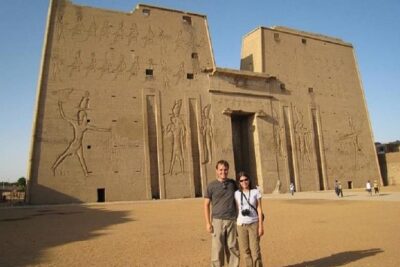
4-Day 3-Night Nile Cruise from Aswan to Luxor including Abu Simbel, Air Balloon
Read our review →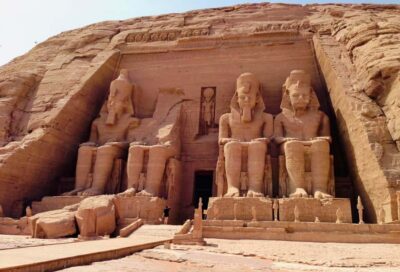
Abu Simbel Temple Private Guided Day Trip with Lunch
Read our review →4-Days Nile Cruise From Aswan To Luxor including Abu Simbel and Hot Air Balloon
Read our review →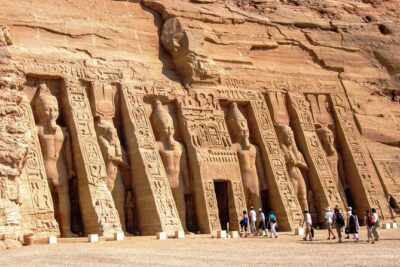
Private Day Tour to Abu Simbel Temples from Aswan
Read our review →4 Days Nile Cruise from Aswan to Luxor including Abu Simbel and Hot Air Balloon
Read our review →Browse the lists this tour appears in