
Reviewed · LUXOR & ASWAN NILE CRUISES
5 Day Nile Cruise from Cairo to Luxor and Aswan
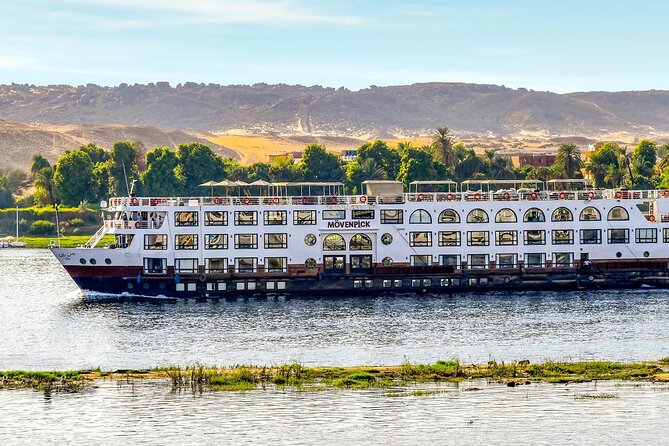
Nile magic starts with a flight. I like how this 5-day plan combines Cairo hotel pickup plus domestic flights with a tight, guided route through Luxor and Aswan highlights, including Karnak and Luxor Temple on Day 1. I also like the on-the-ground pacing with an Egyptologist guide, where Abdul stays punctual and thorough, pointing out what you might miss on your own. The one thing to consider is that at least one cruise guest noted the ship itself feels a bit old, so it’s worth asking what cabin category you’re getting before you commit.
You’ll be on the water for four nights, with included meals and entrance fees for sights along the Luxor to Aswan stretch. The result is a first-time-friendly introduction to Egypt that still has enough variety to keep each day feeling different.
In This Review
- Key takeaways before you go
- Day 1 Cairo to Luxor: the smooth start with Karnak and Luxor Temple
- Karnak and Luxor Temple: how the guide makes the complex make sense
- Day 2 West Bank morning: Valley of the Kings, Hatshepsut, and Colossi of Memnon
- Edfu and the Horus Temple route: carriage ride and temple contrast
- Day 3 Kom Ombo Temple: why a double temple is worth your time
- Day 4 Aswan by water and road: Philae Island Temple and the High Dam
- Abu Simbel day trip on Day 5: big monument, long time, admission extra
- Meals, timing, and what “included” really means for your day
- Price and value: $1,315.15 per person with major items already covered
- Cruise comfort note: when people say the ship is old, what it means
- Who should book this Nile cruise, and who might not love it
- Should you book Love Egypt Tours 5 Day Nile Cruise from Cairo to Luxor and Aswan?
- FAQ
- What does the 5-day itinerary cover?
- Are pickup and drop-off in Cairo included?
- Which flights are included?
- Are meals included in the price?
- Are entrance fees included for all stops?
- Can I cancel for a full refund?
Key takeaways before you go
- Abdul’s guide style gets praise for being punctual, meticulous, and genuinely helpful through the temples
- Private group, private guide means you can move at a human pace, not a herd pace
- Flights and transfers reduce the amount of long hauling you’d otherwise do in Egypt
- Early starts on the West Bank help you see Valley of the Kings plus key monuments efficiently
- Horse-and-carriage option at Edfu is part of the day’s routing, so know that’s on the schedule
- Abu Simbel is a long day and admission isn’t included, so plan extra budget
Day 1 Cairo to Luxor: the smooth start with Karnak and Luxor Temple
Most Nile cruises start with a sea day. Yours starts with logistics, and that matters, because Egypt rewards good timing. You get picked up in Cairo, then fly to Luxor. Once you arrive, the tour goes straight into the big-name sights without wasting the afternoon.
Karnak Temple Complex is your first stop. It’s huge, made up of temples, pylons, chapels, and connected buildings, so the presence of an Egyptologist guide is more than a nice perk. With a guide, you’re less likely to walk past key parts of the complex and more likely to understand what you’re looking at as you move.
After Karnak, you head to Luxor Temple. Built around 1400 BCE, it has a different vibe than many other temples, because it’s tied to ceremonial moments like royal renewal and divine association rather than daily worship. In practical terms, that means you’re not just ticking off monuments, you’re getting the story behind the stone.
That evening, you check in to the Nile cruise, relax, then wander Luxor’s old market before staying onboard overnight. It’s a good balance of ancient and everyday, and it helps Luxor feel like a living place, not just a checklist.
More Nile Cruises in Cairo
- Egypt: Private 5-Day Tour, Nile Cruise, Flights & Balloon
★ 4.1 · 248 reviews - 6 Days Hypnotic Cairo & Nile Cruise Tour Package
★ 5.0 · 248 reviews - Egypt 8 nights:Cairo,Luxor,Aswan,Abu Simbel,Nile cruise,Balloon
★ 4.5 · 227 reviews
Karnak and Luxor Temple: how the guide makes the complex make sense
If you’ve ever visited a temple and felt like you were staring at walls, this is where an Egyptologist guide pays off. Karnak is not one building, it’s an entire complex. The guide can point out relationships between areas and explain why certain parts exist where they do, which makes the experience feel less random.
Luxor Temple also benefits from explanation. The temple’s purpose as a ceremonial site connected to kingship is the kind of detail that changes how you look at the layout. Instead of only noticing columns and carvings, you start understanding function.
From a practical standpoint, Day 1 is designed so you’re fresh enough to handle the walking and the heat. You also end the day with a change of scenery: from temples to the Nile cruise, then into a market at night. That rhythm is how you avoid “temple fatigue.”
Day 2 West Bank morning: Valley of the Kings, Hatshepsut, and Colossi of Memnon
Day 2 is your early start day, and it’s one of the reasons this itinerary works well for first-timers. You head to the West Bank by motorboat, then continue by drive. Being out early helps you cover the sights while the day still feels manageable.
First comes the Valley of the Kings. This is where the idea of Egypt as an ancient civilization becomes very real, because you’re working your way through tomb territory built for the long term. Then you go to the Temple of Hatshepsut at Deir el Bahari, one of the most striking mortuary temples in the region. It was constructed during Hatshepsut’s reign in the 18th Dynasty, and it’s often considered a masterpiece of ancient architecture, meaning you’re not just seeing history, you’re seeing design.
After that, you visit the Colossi of Memnon, two massive stone statues of Pharaoh Amenhotep III. Even in ruins, they’re impressive, and they make a handy visual stop that breaks up the longer stretches.
Once you’re back, you return to the cruise and begin sailing. The itinerary includes views of Luxor’s islands and local culture, plus a pass through Esna Lock before arriving in Edfu for the night. That sailing segment matters because it gives you breathing room between concentrated temple days.
Edfu and the Horus Temple route: carriage ride and temple contrast
On Day 3, your day starts with a visit to Edfu Temple by horse and carriage as part of the itinerary. If you’re comfortable with that kind of transport, it can feel like a small taste of how local routines shape daily movement. If you’d rather avoid animal-based rides, consider asking in advance how strictly this part follows the schedule for your group.
Then you return to the boat. The cruise moves onward toward Kom Ombo, and you’ll have time to enjoy a drink on the sundeck as you go. This is a good moment to reset, because the next temple is different in character and design.
Kom Ombo is reached around sunset. That timing is helpful. Temples in softer light can feel easier to take in, and you also get the advantage of fewer harsh midday shadows. You visit Kom Ombo Temple, known for its double-temple layout built during the Ptolemaic dynasty, with additions later in the Roman period. Double temples are unusual, and that’s exactly the point. You’re not only seeing stone carvings, you’re seeing how later rulers organized religious space.
More Nile cruise itineraries:
- Cairo: 6-Day Egypt Tour with Flights and Nile Cruise
★ 3.8 · 177 reviews - 8-Day Private Tour Cairo, Aswan, Luxor and Nile Cruise Including Air Fare
★ 5.0 · 142 reviews - Egypt on Budget – 8 Days ( Cairo , Aswan , Nile Cruise – Luxor ) Sleeper Train
★ 4.5 · 121 reviews - From Cairo: 4-Day Nile Cruise to Luxor with Balloon Flight
★ 4.2 · 112 reviews
Day 3 Kom Ombo Temple: why a double temple is worth your time
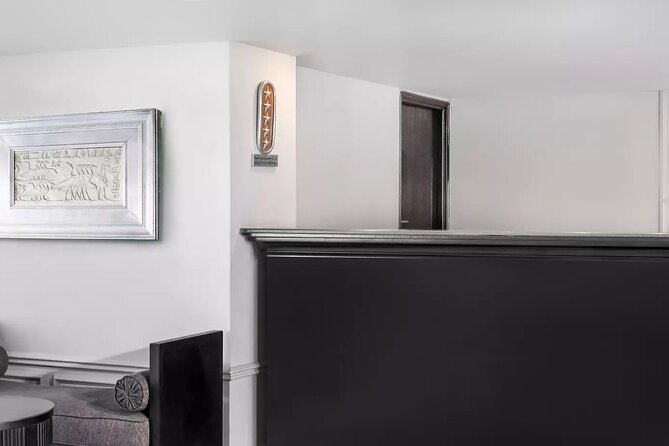
Kom Ombo Temple is on your route for a reason. A double temple gives you a built-in comparison. You can see how one complex can serve more than one set of ideas, and it helps the broader timeline of Egypt’s rulers feel less abstract.
The guide support is especially valuable here, because it can be hard to tell what you’re looking at without context. With the right explanations, a double temple stops feeling like two random sections and starts feeling like an intentional statement.
Also, the sunset arrival gives you a small bonus that you can feel immediately. Instead of rushing to a single photo spot, you tend to look longer. That’s when you start noticing small details and layout choices.
Day 4 Aswan by water and road: Philae Island Temple and the High Dam
Day 4 shifts from temple intensity to a modern contrast, and that balance is part of why this itinerary is satisfying. You take an Egyptian motorboat to Philae Island Temple. Being on the water to reach the island temple fits the setting, and it makes the transition from cruising to land exploration feel natural.
Philae Island Temple is the next major stop. Then you move to the Aswan High Dam. This is not ancient stone, it’s mid-20th century engineering, built across the Nile between 1960 and 1970. Visiting it after Philae gives you a sense of continuity: people have always reshaped the Nile, just with different tools and priorities.
From your comfort perspective, Day 4 also includes transfers back to your Nile cruise accommodation after the dam visit. That means less time figuring out how to get around and more time simply following the plan.
If you like travel days that mix spectacle with context, this pairing works well. Temples show the past. The High Dam shows what humans do to the Nile in the present.
Abu Simbel day trip on Day 5: big monument, long time, admission extra

Day 5 is the long-haul day. You’re transferred by air-conditioned vehicle to Abu Simbel, and the itinerary lists about seven hours total for the outing. Abu Simbel is UNESCO World Heritage, and the visit is treated as a highlight big enough to justify a day that lasts.
One key detail: Abu Simbel Temple Complex admission is not included. That means you should budget for entrance on top of the tour price. If you’re trying to keep costs predictable, this is the one line item to plan for before you arrive.
Also, because it’s a long time on the road, this day is best if you’re okay with “see it all, then rest later.” If you prefer slower travel, you might find this the most tiring day of the package, even though it’s also likely the most visually dramatic.
Meals, timing, and what “included” really means for your day

This tour includes breakfast (4), plus lunch (3) and dinner (3) across the itinerary. In Egypt, meal planning can otherwise eat up time and brainpower, so having meals built in is a genuine convenience. It also helps you stay on schedule during early temple mornings.
Entrance fees are included for the sights in and between Luxor and Aswan, but again, Abu Simbel admission is specifically marked as not included. That distinction matters because people often assume every ticket is covered when they see an otherwise “all-inclusive” feel.
You also have Egyptologist guide coverage during your sightseeing. That’s not just about facts. It affects your route efficiency. You’re more likely to spend your time at the right places and understand why they matter, rather than walking fast and remembering only how something looked.
Price and value: $1,315.15 per person with major items already covered
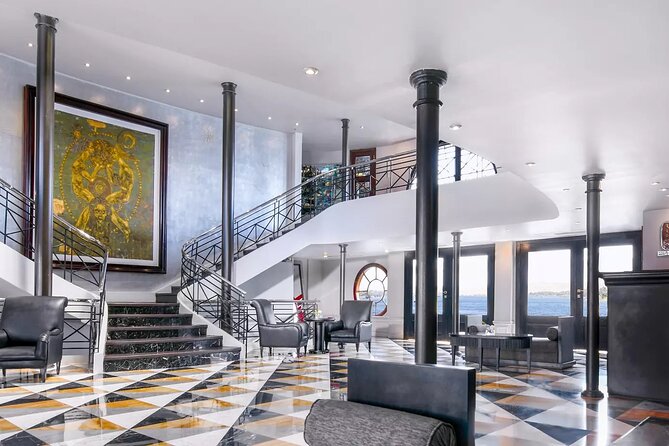
At $1,315.15 per person, the value is driven by the big cost buckets that are already handled. You get 4-night accommodation on a 5-star Nile cruise from Luxor to Aswan. You also get Cairo pickup and drop-off by air-conditioned minibus, plus domestic flights from Cairo to Luxor and from Aswan back to Cairo.
On top of that, the tour includes an Egyptologist during sightseeing, entrance fees for the Luxor-to-Aswan circuit, and the meal plan (breakfasts, lunches, and dinners).
The two things that may add extra cost are straightforward: gratuities are not included, and Abu Simbel admission is not included. If you build those into your budget before you go, the rest of the package feels like a “pay once, then just go” experience.
And there’s a smaller value factor too: this is a private activity, meaning only your group participates. You don’t have to negotiate for time with a giant mixed crowd. That can make the whole trip feel calmer.
Cruise comfort note: when people say the ship is old, what it means
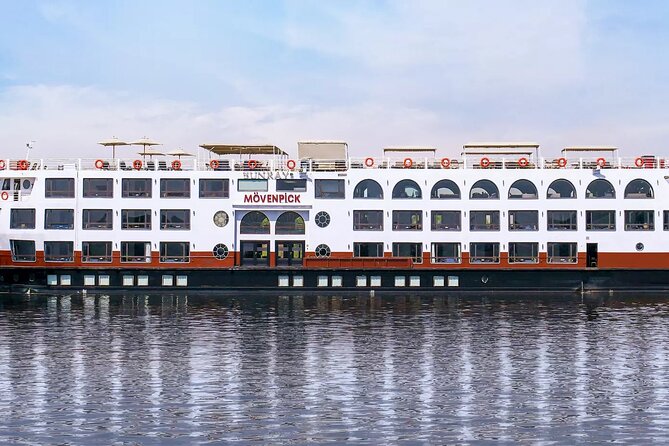
One review flagged that the cruise itself can feel a bit old. That doesn’t mean the trip is bad, but it is a valid consideration.
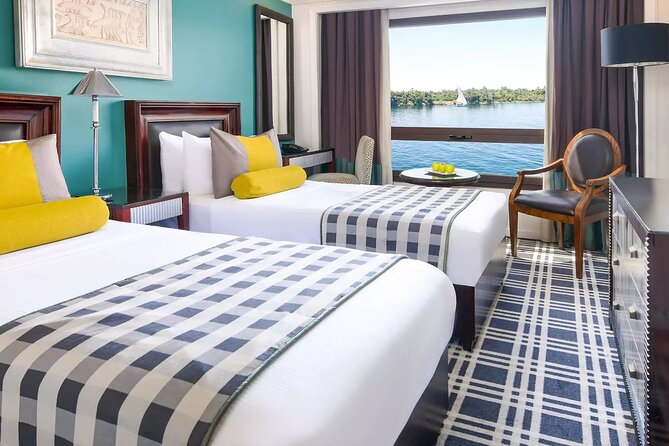
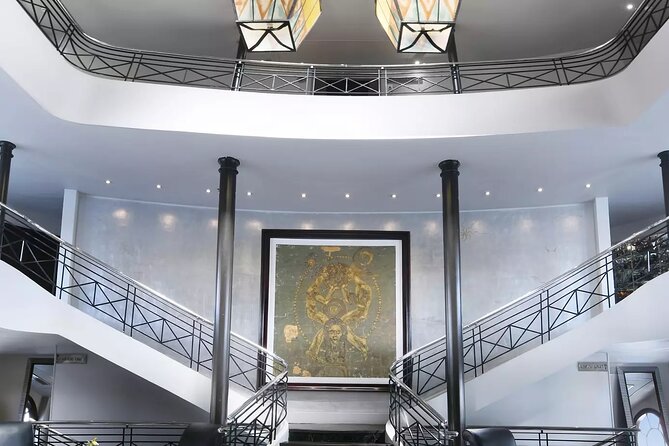
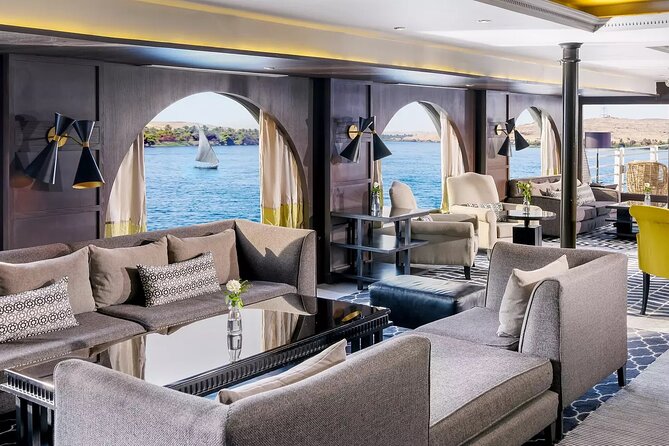
Before booking, you’ll want to confirm what you’re getting for cabin comfort. You can also ask whether any areas have been updated and what the typical room setup is for your category. If you’re sensitive to ship age, this is where your questions matter most.
If you care more about the sights, the guide, the included meals, and the itinerary flow, the ship age may matter less. In this plan, most of your meaningful time is spent on guided temple visits, then on the Nile for sailing and downtime.
Who should book this Nile cruise, and who might not love it
This is a great fit if you’re:
- Visiting Egypt for the first time and want a guided introduction with major stops in a logical order
- Traveling as a group that wants a private guide feel rather than a crowded tour rhythm
- Interested in seeing both classic Luxor temple sites and the Aswan region highlights, without doing lots of separate bookings
It might be less ideal if you:
- Strongly prefer to avoid any animal-based transport elements (like the Edfu horse and carriage segment)
- Want a more leisurely pace with more free time, since temple days start early and the plan is tightly scheduled
- Care a lot about ship “newness,” since there’s at least one mention that the cruise feels older than you might expect
Should you book Love Egypt Tours 5 Day Nile Cruise from Cairo to Luxor and Aswan?
If you want temples, strong guidance, and fewer logistical headaches, I’d lean yes. The combination of Cairo transfers and domestic flights keeps you from losing a day to long travel, and the guide quality is a standout, with Abdul described as punctual, meticulous, and able to explain what matters.
Just go in with clear eyes about the few add-ons and considerations. Plan for Abu Simbel admission because it’s not included. Budget for gratuities. And if ship comfort is a priority, ask the operator about cabin details since at least one guest felt the cruise ship itself was older.
Do that, and you’ll get a smart, first-time-friendly Nile experience that mixes ancient monuments with everyday Egypt in a way that feels doable.
FAQ
What does the 5-day itinerary cover?
It includes four nights on a Nile cruise from Luxor to Aswan, plus guided sightseeing across Luxor and Aswan regions. It also includes domestic flights and Cairo pickup and drop-off, with meals included during the trip.
Are pickup and drop-off in Cairo included?
Yes. The tour includes pickup and drop-off in Cairo by air-conditioned minibus.
Which flights are included?
The itinerary includes domestic flights from Cairo to Luxor and from Aswan to Cairo.
Are meals included in the price?
Yes. Breakfast is included for 4 days, and lunch and dinner are included for 3 days each.
Are entrance fees included for all stops?
Entrance fees are included for sights in and between Luxor and Aswan. Abu Simbel admission is listed as not included.
Can I cancel for a full refund?
Free cancellation is available up to 24 hours in advance of the experience start time for a full refund. If you cancel less than 24 hours before, the amount paid is not refunded.
Luxor Days from the Coast
- Day Trip To Luxor From Cairo By Plane
★ 4.5 · 393 reviews - Day Trip to Luxor From Cairo By Flight, King Tut Tomb Included
★ 4.5 · 270 reviews - Private Day from Cairo to Luxor by plane with hotel,balloon,west,east and lunch
★ 4.5 · 199 reviews - Day Trip To Luxor From Cairo By Plane Including Lunch
★ 4.5 · 92 reviews
More Day Trips out of Cairo
- From Cairo: Pyramids of Giza, Sphinx, Saqqara & Memphis Tour
★ 4.7 · 3,110 reviews - From Cairo Alexandria Catacombs, Citadel Day Trip with Lunch
★ 4.6 · 1,312 reviews - From Cairo: Desert Safari, Camel Ride, Magic Lake, & Lunch
★ 4.9 · 1,273 reviews - From Cairo: Private Full-Day Tour of Historical Alexandria
★ 4.1 · 1,155 reviews
Newly added near Cairo
- Private Day Tour to El Fayoum & Valley of the Whales from Cairo★ 5.0 · 13 reviews
- Full Day Tour Giza Pyramids, Sphinx and Egyptian Museum &Felucca★ 5.0 · 9 reviews
- Private Day Tour Egyptian Museum, Citadel ,Mohamed Ali Mosque and Coptic Cairo★ 5.0 · 34 reviews
- Private Day Tour To Luxor from Cairo by Plane★ 4.5 · 41 reviews
- Grand Egyptian Museum★ 3.5 · 48 reviews
- Private Cairo Day Tour Giza Pyramid, Sphinx, Civilisation Museum★ 5.0 · 19 reviews
- Allinclusive Private Tour Fayoum Oasis & Valley of Wales★ 5.0 · 78 reviews
- Private Day Tour To Luxor from Cairo by Plane,Tours,Sailing Felucca,Camel&Lunch★ 5.0 · 45 reviews
Luxor & Aswan Nile Cruises, compared.
4-Days Nile Cruise From Aswan To Luxor including Abu Simbel and Hot Air Balloon
Read our review →
4-Day 3-Night Nile Cruise from Aswan to Luxor&Abu Simbel+Balloon
Read our review →
4-Day 3-Night Nile Cruise from Aswan to Luxor including Abu Simbel, Air Balloon
Read our review →
4-Day Nile Cruise from Aswan to Luxor with Guide
Read our review →4-Days Nile Cruise From Aswan To Luxor including Abu Simbel and Hot Air Balloon
Read our review →
4-Day 3-Night Nile Cruise from Aswan to Luxor – Private Tour
Read our review →4 Days Nile Cruise from Aswan to Luxor including Abu Simbel and Hot Air Balloon
Read our review →
4-Day 3-Night Nile Cruise from Aswan to Luxor With Balloon and Abu Simbel
Read our review →Browse the lists this tour appears in