
Reviewed · KHAN EL-KHALILI & OLD CAIRO TOURS
Cairo private guided tours visit Islamic and Coptic Cairo
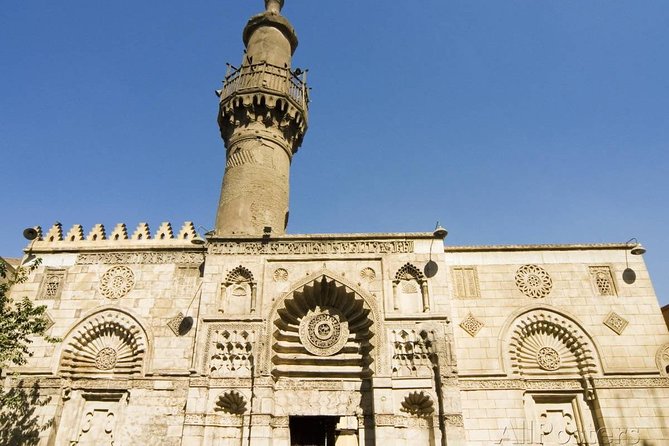
Old Cairo in one day, with faiths side by side. This private guided outing strings together Coptic and Islamic Cairo plus a synagogue stop, all wrapped in smooth AC transport and free hotel pickup. I especially like how the route goes beyond postcard stops, ending at Saladin’s Citadel for that big skyline payoff.
The main thing to keep in mind is that some parts of the experience can feel trade-heavy, especially around markets, so you’ll want a clear budget and a firm shopping approach.
In This Review
- Key highlights you’ll actually feel during the tour
- A six-hour blend of Coptic and Islamic Cairo, plus one big Jewish stop
- Price and what makes it feel like good value
- Your day plan: smooth pickup, short walks, and built-in pacing
- Coptic Cairo start: the Old Cairo streets and Abu Serga area meaning
- The Hanging Church: stairs, elevation, and why the name stuck
- Ben Ezra Synagogue: Moses folklore and the Cairo Geniza story
- Church of St Sergius and Bacchus: craftsmanship and icon atmosphere
- Sultan Hassan and Al Rifa’i: royal power and architectural contrast
- Saladin’s Citadel: the skyline finish and the Alabaster Mosque view
- Mosque of Amr Ibn Al-As: Fustat roots, access rules, and shoe or cover expectations
- Khan Al-Khalili: a classic shopping stop where you set the rules
- Guides and drivers: why the right team changes everything
- What to wear and how to act in places of worship
- Lunch and snacks: the day stays bearable
- Who this private tour suits best
- Should you book this Coptic and Islamic Cairo private tour?
- FAQ
- How long is the private guided tour in Cairo?
- Does the tour include hotel pickup and drop-off?
- Are tickets and admissions included?
- Is lunch included?
- Which major sites are visited on the route?
- Can I cancel for a full refund?
Key highlights you’ll actually feel during the tour
- Old Cairo street time, not just stand-and-photo moments
- Coptic sites with real meaning, from the Hanging Church to Abu Serga
- Jewish heritage in Old Cairo, including the Ben Ezra synagogue and the Cairo Geniza story
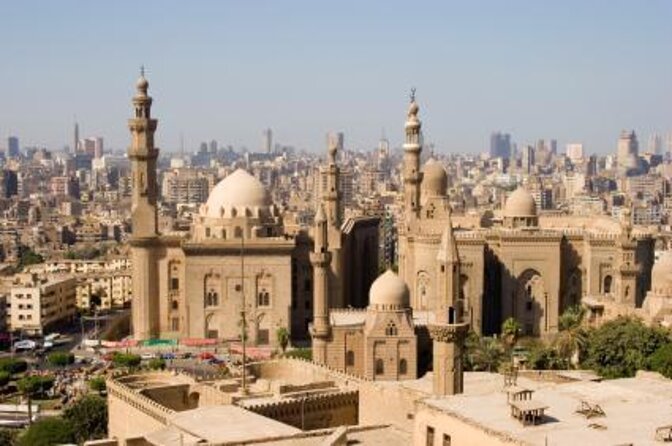
- Mamluk-era architecture power, with Sultan Hassan and Al Rifa’i in the Citadel area
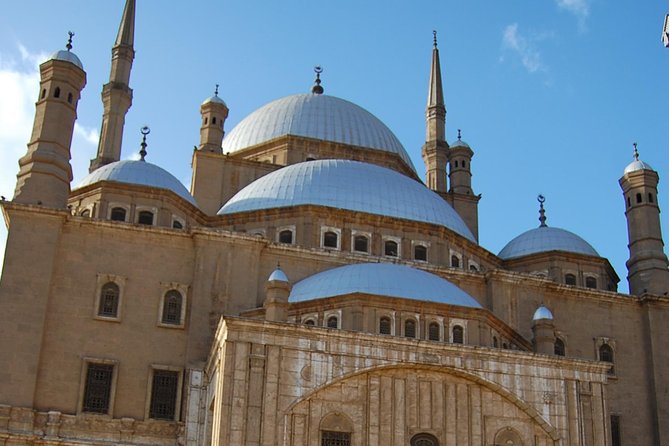
- A final viewpoint finish at Saladin’s Citadel, with Alabaster Mosque domes and minarets in view
A six-hour blend of Coptic and Islamic Cairo, plus one big Jewish stop
This is the kind of day that makes Cairo feel layered instead of chaotic. You start in Old Cairo, where Coptic Christian landmarks sit close to older Roman foundations and centuries of later religious life. Then you swing into Islamic Cairo for major mosques and madrasas, before closing on Saladin’s Citadel, the medieval fortification that still dominates the city’s skyline.
What I like most is that the tour is private, meaning it’s just your group. That usually helps with pacing, photo stops, and keeping things respectful when you enter places of worship. You also get free pickup and drop-off, bottled water, and snacks, so you’re not scrambling to make the day work.
One more practical note: the tour is listed at about 6 hours, but you should assume timing can stretch a bit inside churches and mosques, especially if lines form or access rules require extra steps. Wear comfortable shoes, because you’ll do some walking through Old Cairo streets between stops.
More Old Cairo walks:
- Cairo: Egyptian Museum, Citadel, and Old Cairo Guided Tour
★ 4.7 · 853 reviews - Cairo Citadel, Old Cairo and Khan El Khalili: Private Tour
★ 4.6 · 741 reviews - Old Cairo: Full-Day Islamic and Coptic Cairo Tour with Lunch
★ 4.6 · 688 reviews
Price and what makes it feel like good value
At $8 per person, this tour looks like a bargain on paper. The value comes from the fact that it bundles a lot of religious and historic stops into one day, with private AC transport, plus snacks and lunch listed as part of the overall experience. Many stops are described with entry tickets included, which can save you time compared with booking each site separately.
That said, the fine print matters. The tour information includes mentions of admissions being included for top local attractions, but it also notes that entry fees and lunch can be optional depending on the tour option chosen. So before you go, check what your booking specifically includes for tickets and your lunch plan.
If you want maximum value, this is where a private guide helps: you spend less time figuring out logistics and more time understanding what you’re seeing. If you want to move fast and skip the explanation, you could do some of this on your own, but the whole point here is guided context across multiple faith traditions in one run.
Your day plan: smooth pickup, short walks, and built-in pacing
The day begins with hotel pickup in Cairo, then a full circuit through Old Cairo and Islamic Cairo. Expect a day that’s structured like a series of short site visits, not one long museum session. Each stop is timed to keep you moving, but there’s still enough time at the main churches and mosques to look around calmly.
Between stops, you’ll ride in a private, latest-model AC vehicle. That matters in Cairo, where traffic and heat can change how enjoyable a day feels. The good news is that the tour includes bottled water and snacks, which makes the rhythm easier to handle if you’re doing the route in one go.
Based on the experience reports, the driver part of the day can make or break it. I’d prioritize a trip where the driver is calm and careful in traffic. Several people praised drivers for being punctual, efficient, and cautious on Cairo roads, which is exactly what you want when you’re trying to enjoy churches and mosques instead of watching the clock.
Coptic Cairo start: the Old Cairo streets and Abu Serga area meaning
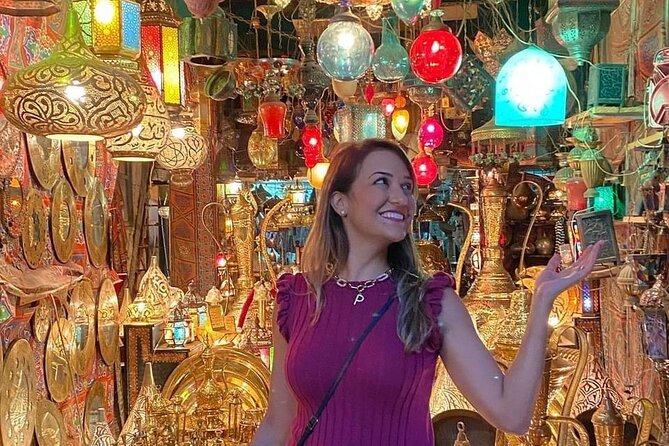
You begin in Coptic Cairo, the Old Cairo district tied to early Christian life in Egypt and to the tradition of the Holy Family’s presence in the area. If you only know Cairo from the major mosques, this part is the reality check, and I mean that in a good way. You’re stepping into a different spiritual map of the city.
A big benefit of starting early is that the first sites feel more manageable. You get a smoother entry into the churches, and you’re less likely to feel rushed while your mind is still catching up with what you’re seeing. The tour includes admission at the start stop, so you can focus on the experience instead of finding ticket counters.
One thing I always recommend in Old Cairo: slow your pace for the first 30 minutes. The streets can be busy, and it helps to get your bearings while you’re fresh. This tour does a nice job with that, because it transitions into other close-by landmarks without wasting time.
Other Cairo options on the table
- Cairo: Pyramids & Great Sphinx Private Tour with Camel Ride
★ 4.9 · 6,335 reviews - Tour to Giza Pyramids and The Egyptian Museum
★ 5.0 · 6,016 reviews - VIP All inclusive Best of the best Giza Pyramids,Sakkara,Memphis
★ 5.0 · 3,164 reviews - From Cairo: Pyramids of Giza, Sphinx, Saqqara & Memphis Tour
★ 4.7 · 3,110 reviews
The Hanging Church: stairs, elevation, and why the name stuck

Next up is the Hanging Church, known for its position above a gatehouse of Babylon Fortress. The name isn’t poetic for the sake of marketing, it’s literally tied to the idea that the church is suspended over a passage. You approach it via 29 steps, and the climb is part of how early visitors described it.
This is a stop where you’ll get more out of the visit if you look at the building as a clue. The church’s elevated position is tied to how ground levels changed over time, so the visual relationship between the Roman-era structure and the church you see now is not what ancient visitors experienced. It’s one of those moments where Cairo’s layers become physical.
Because time here is limited, aim for a quick plan: take in the overall space first, then focus on one or two details you can’t ignore. If you’re there with kids or older family members, the number of steps matters, so pace yourself and take breaks as needed.
Ben Ezra Synagogue: Moses folklore and the Cairo Geniza story
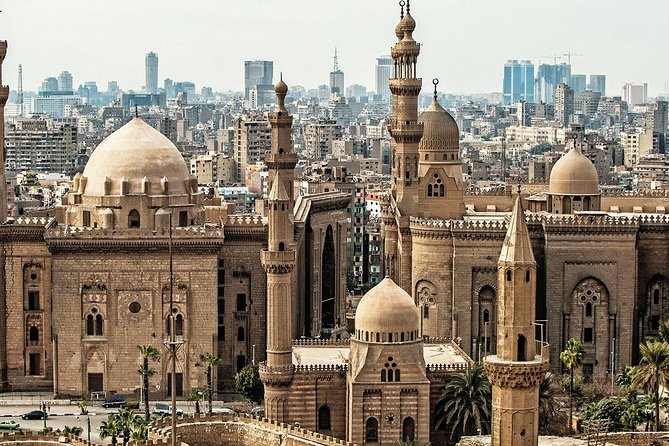
The tour then shifts to Jewish heritage at Ben Ezra Synagogue in Old Cairo. Local folklore places the synagogue on the site where baby Moses was found, which is one of those stories you’ll hear more than once in this district. Even if you approach traditions as stories rather than certainties, the setting is fascinating because it shows how communities anchor memory to places.
The bigger education payoff here is the Cairo Geniza connection. The synagogue’s storage area, or geniza, was where an extraordinary collection of Hebrew, Aramaic, and Judeo-Arabic manuscripts was discovered in the 19th century. The collection was sent to Cambridge, and today it’s divided across multiple academic libraries.
If you’re the type who likes to understand why something matters historically, this is a strong stop. You’re not just visiting a building, you’re seeing how a site became part of scholarship and how texts can reshape what the world knows about a community’s daily life.
Church of St Sergius and Bacchus: craftsmanship and icon atmosphere
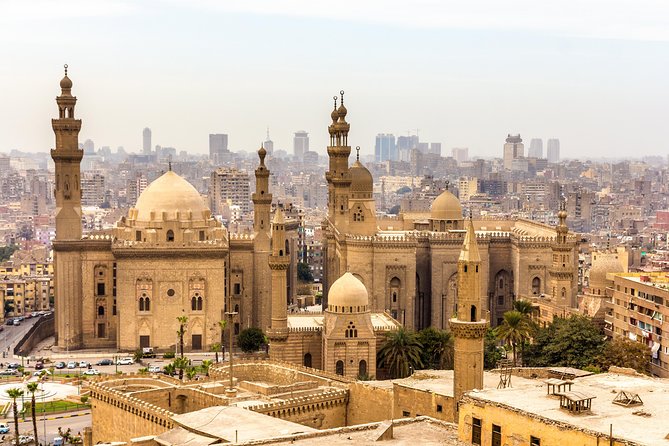
After the synagogue stop, you head to the Church of St Sergius and Bacchus at the Abu-Sergah complex in Old Cairo. This is described as a Coptic Christian site that preserves the essence of early Egyptian Christian tradition alongside layers of older history.
What you’ll likely notice immediately is the atmosphere. These churches tend to feel more intimate than big state mosques, and the details are often more personal, icon-like, and tactile. The tour includes admission, so you can spend your energy actually looking rather than negotiating entry logistics.
A practical tip: bring your attention to how the complex is laid out, not only the main church space. In places like this, the surrounding rooms and icons often carry the feel of living tradition. And since your time at each stop is set, it helps to keep your eyes moving, not stuck on one corner for too long.
Sultan Hassan and Al Rifa’i: royal power and architectural contrast
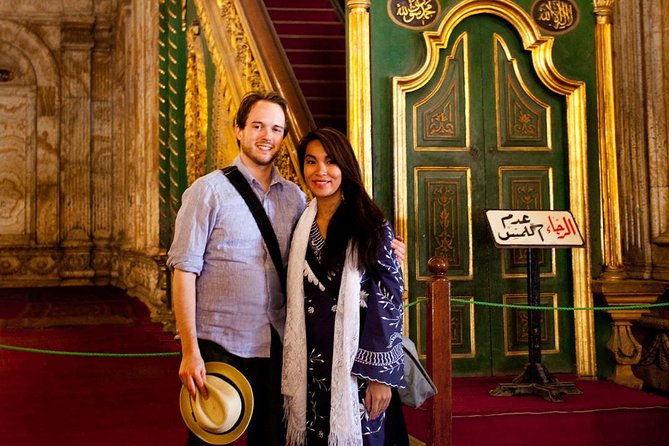
Once you shift into the Citadel area, the tour highlights Islamic architecture at a scale that feels different from Old Cairo churches. First is Al Rifa’i Mosque, associated with the Khedival Mausoleum of Muhammad Ali Pasha’s royal family. It sits in Midan al-Qal’a near the Citadel, and it works well as a visual warm-up before Sultan Hassan.
Then comes the Mosque-Madrasa of Sultan Hassan, built in the 14th century during the Bahri Mamluk period. This is one of those monuments where size alone changes your experience. You’re looking at a massive mosque and madrasa commissioned by Sultan an-Nasir Hasan, and it’s widely recognized as one of Cairo’s most impressive historic buildings.
When you visit places like Sultan Hassan, I suggest you do two things. First, stand back long enough to understand the full structure. Second, return for close-up details after you’ve mapped the building in your mind. That makes the architecture feel less like a blur and more like a story of power, design, and purpose.
Saladin’s Citadel: the skyline finish and the Alabaster Mosque view
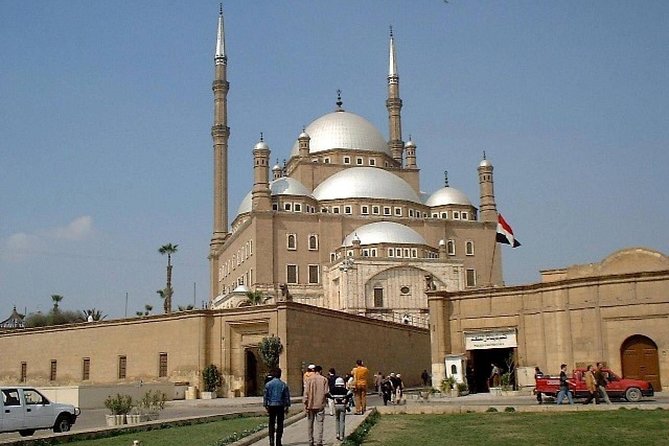
The tour’s ending anchor is Saladin’s Citadel of Cairo, also called the Citadel of Saladin. It was a seat of government for centuries and is now a preserved historic site with mosques and museums. The citadel’s location on the Mokattam hills gives it a commanding view over Cairo, which is exactly why it’s a good finale.
In the tour description, the Alabaster Mosque area is mentioned as part of the view experience. Even if you only see part of it from where you stand, the citadel setting helps you understand how Cairo is organized around major religious and defensive centers.
This is a stop that works for almost everyone. If you’re a first-time visitor, it gives you orientation fast. If you’ve been to Cairo before, it still refreshes your perspective because you’re seeing the city from a position built to control and defend.
Mosque of Amr Ibn Al-As: Fustat roots, access rules, and shoe or cover expectations
Next is Amr Ibn Al-As Mosque, tied to the early Muslim period and associated with the founding of Fustat in the 7th century. The tour description notes it was built in 642 A.D. by Amr Ibn Elas.
A word of caution from real-world experience: some mosque visits can include strict access habits. One report described being asked to handle shoes in a specific way and women being asked to cover with a mantle that may not be personal to every visitor. That doesn’t mean it will happen to you, but it does mean you should expect rules and follow them quickly and politely.
If you prefer low-stress visits, you can treat this stop as a quick, respectful look rather than a long exploration, especially if you feel overwhelmed by crowd behavior or repeated demands. The point here is to see an early landmark and understand the historical thread to later Islamic Cairo monuments.
Khan Al-Khalili: a classic shopping stop where you set the rules
The day ends with Khan Al-Khalili. This is Cairo’s famous market area, and the tour description frames the stop as an opportunity to see local craftsmanship and shop for goods made by artisans.
Here’s the practical part. Markets can be fun, but they can also turn into pressure if you lose control of your spending plan. If you want to browse without getting flustered, decide in advance what you’re willing to buy, and what you’re absolutely not buying today. If someone starts pushing for higher prices, you can slow down, smile, and keep your tone calm, because panic is what vendors usually target.
I also suggest you treat the market like a museum of daily life. Look at the textures, the shapes, and the trades. If you buy something, buy it because you truly want it, not because you feel squeezed.
Guides and drivers: why the right team changes everything
This tour tends to live or die by the quality of the guide and driver. The strongest praise in the experience feedback points to guides who are patient, kind, and genuinely able to connect the dots between faith, architecture, and everyday life.
Names that came up in a big way include Michael, Joseph, Mohammed Bin Shama (driver), Myrna (Mira), Zainab, Yasmine, Said, Sameer, Hola, and Esam. If you book this tour, ask if you can request one of these guides, or at least request someone experienced with Coptic and Islamic sites. The pattern is clear: you get more value when your guide manages timing well and answers questions clearly while keeping the mood respectful.
Drivers also matter a lot. Multiple reports praised drivers for being punctual and for navigating Cairo traffic with care. In a city where roads can feel intense, that confidence helps you stay relaxed, which is when you actually enjoy church interiors and mosque courtyards instead of watching the door.
What to wear and how to act in places of worship
This tour includes churches, a synagogue, and multiple mosques, so your clothing choices need to work across different norms. Bring a shawl or scarf if you have one. For women, covering expectations can vary by site, but being prepared helps you avoid last-minute stress.
Also, treat the sites as active places of faith, not just photo sets. Keep your voice down, follow guidance from your guide, and move deliberately. In general, the experience runs smoother when you’re quick to comply with small requests like where to enter, where to stand, and how to handle shoe rules where relevant.
Lunch and snacks: the day stays bearable
The tour includes snacks and lists lunch as part of the overall experience. There’s also a note that lunch at a local restaurant, often koshari, may be part of an optional package. This is one of those cases where you should confirm what your specific booking includes.
Either way, the food break is important, because Coptic and Islamic Cairo takes energy. Even if the stops are relatively short, the walking, heat, and attention required add up. Eating once during the day helps you keep your energy steady for the final citadel views.
Who this private tour suits best
I think this tour is a smart choice if you want one day that covers multiple religions without turning it into a checklist. It’s also great for people who like context, because the route pairs architecture with the stories attached to each place.
It also works well for families, based on feedback praising the way guides handled groups with infants. If you’re traveling with a mix of ages, the private vehicle reduces fatigue, and the shorter timed stops make it easier to manage attention spans.
If you hate shopping pressure, you’ll need a strategy for Khan Al-Khalili. Plan to browse, set a limit, and do not feel obligated to buy. If your goal is purely religious architecture and monuments, you can still enjoy the market as a cultural stop, but keep it light.
Should you book this Coptic and Islamic Cairo private tour?
Book it if you want a focused, guided day that ties together Coptic churches, Jewish heritage in Old Cairo, and major Islamic monuments, ending with skyline views from Saladin’s Citadel. The best part is the structure, private transport, and the fact that many sites are paired with included admissions on the tour options.
I’d be cautious if you know you dislike markets or high-pressure selling. This route includes Khan Al-Khalili, and one or two experiences described vendor pressure and repeated tip requests. If you’re firm with your budget and ready to say no, you can still enjoy the day. If you’re easily stressed by crowd dynamics, consider prioritizing the major monuments and treating the market as a short browse.
If you do book, my top two tips are simple: confirm what your option includes for tickets and lunch, and request a guide known for patience and clarity, like Michael or Mira, if possible. Done right, this is a satisfying way to understand Cairo as a city of living religious layers, not separate tourist stops.
FAQ
How long is the private guided tour in Cairo?
The tour is listed at approximately 6 hours.
Does the tour include hotel pickup and drop-off?
Yes. Free hotel pickup and drop-off are included.
Are tickets and admissions included?
Admission tickets are shown as included for multiple stops, but the additional info notes entry fees can depend on the tour options chosen. Check your booking details for what’s included.
Is lunch included?
Lunch is listed as included, and there is also an optional note about lunch at a local restaurant like koshari. Verify what your specific option includes.
Which major sites are visited on the route?
You visit Coptic Cairo highlights (including the Hanging Church and the Church of St Sergius and Bacchus), the Ben Ezra Synagogue, Islamic Cairo sites (including Al Rifa’i Mosque and Mosque-Madrasa of Sultan Hassan), Saladin’s Citadel, Mosque of Amr Ibn Al-As, and Khan Al-Khalili.
Can I cancel for a full refund?
Yes. You can cancel up to 24 hours in advance for a full refund.
Newly added near Cairo
- Private Day Tour to El Fayoum & Valley of the Whales from Cairo★ 5.0 · 13 reviews
- Full Day Tour Giza Pyramids, Sphinx and Egyptian Museum &Felucca★ 5.0 · 9 reviews
- Private Day Tour Egyptian Museum, Citadel ,Mohamed Ali Mosque and Coptic Cairo★ 5.0 · 34 reviews
- Private Day Tour To Luxor from Cairo by Plane★ 4.5 · 41 reviews
- Grand Egyptian Museum★ 3.5 · 48 reviews
- Private Cairo Day Tour Giza Pyramid, Sphinx, Civilisation Museum★ 5.0 · 19 reviews
- Allinclusive Private Tour Fayoum Oasis & Valley of Wales★ 5.0 · 78 reviews
- Private Day Tour To Luxor from Cairo by Plane,Tours,Sailing Felucca,Camel&Lunch★ 5.0 · 45 reviews
Khan el-Khalili & Old Cairo Tours, compared.
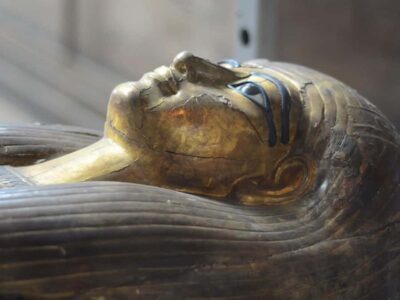
Egyptian Museum, Citadel, and Old Cairo Guided Tour
Read our review →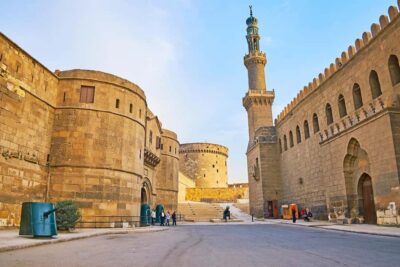
Cairo Citadel, Old Cairo and Khan El Khalili: Private Tour
Read our review →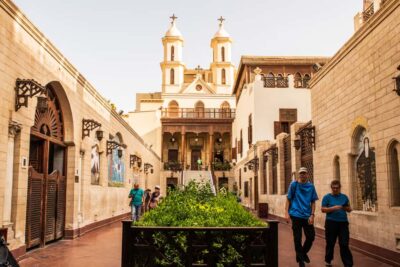
Full-Day Islamic and Coptic Cairo Tour with Lunch
Read our review →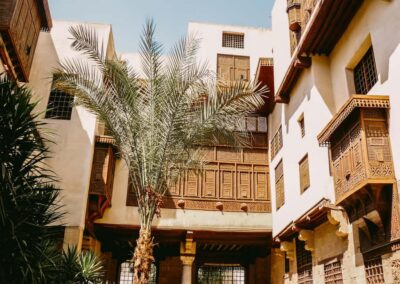
Old Cairo Guided Walk Tour: History, Culture & Street Bites
Read our review →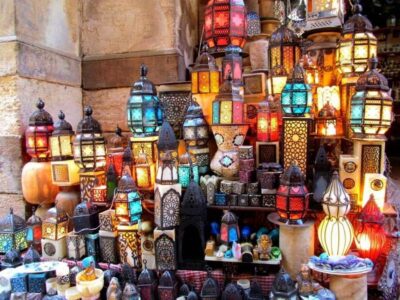
Local Markets & Khan el Khalili Private Shopping Tour
Read our review →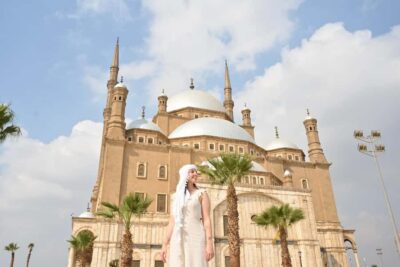
Museum of Egyptian Civilization, Citadel & Old Cairo Tour
Read our review →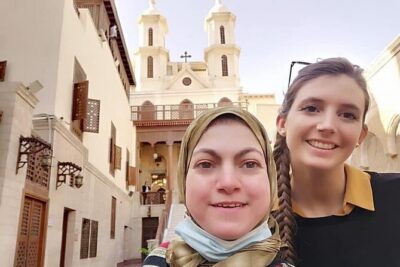
4-hours private Tour Islamic Mosque,Coptic Cairo &Khan el-Khalili
Read our review →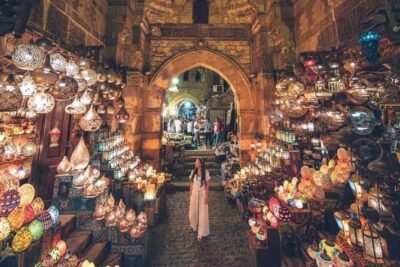
Cairo VIP Guided Tour to Khan El-Khalili Market with Lunch
Read our review →Browse the lists this tour appears in