
Reviewed · ABU SIMBEL DAY TRIPS
Discover Cairo, Luxor, Aswan and Abu Simbel – 06 days
Egypt in six days, with real village hours. This Cairo to Abu Simbel route mixes the big names you came for, pyramids and Karnak, with calmer moments like walking in the El Hegz area. What I like most is expert Egyptologist guidance that explains what you are seeing, plus the practical win that breakfast, lunch, and dinner are part of the plan. One consideration: entry tickets are not included, and some days start very early.
I also like how the pacing gives you variety, not just ticket lines. You get Khan el-Khalili Bazaar time for shopping and snacks, then you travel overnight by sleeper train toward Luxor. And later, you trade only-temple sightseeing for real-life Egypt with village visits, including stops around El Hegz and Nubian village culture in Aswan.
In This Review
- Key Highlights You’ll Care About
- Giza, Cairo Museum, and a Bazaar That Feels Like a Living Market
- Pyramids and Museum Tickets: How to Avoid the Common Extra-Cost Surprise
- Sleeper Train Toward Luxor, Plus Time to Reset
- Luxor West Bank: Valley of the Kings, Hatshepsut, and Karnak’s Scale
- Luxor Temple: Ramses II, Hieroglyphs, and the Feeling of Survival
- El Hegz Village and El Kab to Edfu’s Temple of Horus
- Aswan and Philae: Isis on the Island, Then Nubian Life
- Abu Simbel in the Quiet Morning: Why This Trip Uses the Early Start
- Price and Value: What You Get for $789.79 and What You Should Budget Separately
- Should You Book This Cairo to Abu Simbel Tour?
- FAQ
- How long is the Discover Cairo, Luxor, Aswan and Abu Simbel tour?
- What is the price per person?
- Does the tour include airport pickup or assistance?
- Are admission tickets included for the monuments?
- What meals are included?
- What type of guide do you get?
- Do you visit Abu Simbel?
- What time does the experience start?
- Can I cancel for a full refund?
Key Highlights You’ll Care About
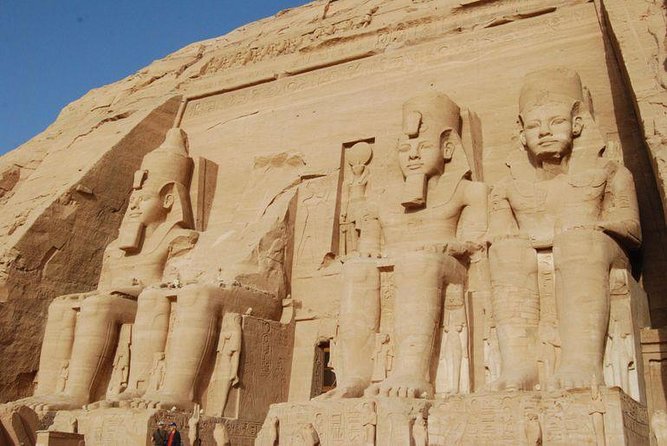
- Pyramids of Giza plus Valley Temple and a Sphinx photo pause with a guided story behind Cheops, Chephren, and Mykerinos
- Egyptian Museum focus on top-tier objects, including the Tutankhamun treasures exhibit
- Khan el-Khalili time in the bazaar district, known for copper, perfumes, leather, silver, gold, antiques, and more
- Luxor West Bank essentials: Valley of the Kings, Hatshepsut at Deir el Bahari, plus Karnak’s Great Hypostyle Hall
- Village and countryside day in El Hegz and El Kab area, including Nekhen ruins and a farmer-house lunch
- Abu Simbel early departure so you can experience Ramses II’s temples with a quieter start, before the day crowds
Giza, Cairo Museum, and a Bazaar That Feels Like a Living Market
This tour starts in Cairo with a simple, helpful approach: you land, meet your English-speaking guide at the airport exit, and head straight to your hotel for the first night. It matters because Cairo can feel chaotic fast. Getting met and moved early keeps the trip from turning into day one stress.
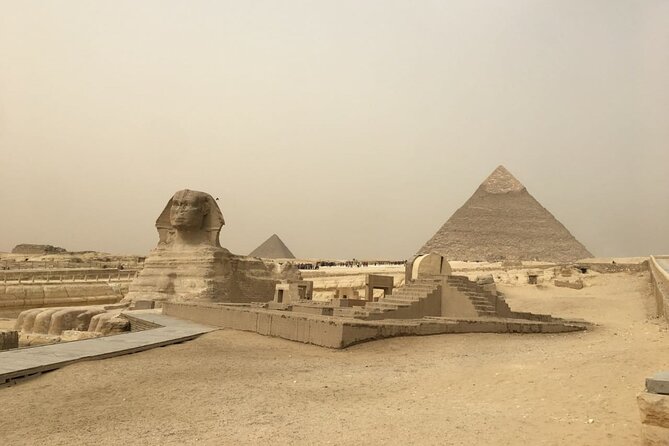
The next big day hits the highlights without pretending you can see everything in “one quick stop.” You begin at 8:00 am with the Pyramids of Giza. Cheops, Chephren, and Mykerinos are the headline acts, but the guide-led stop at the Valley Temple adds context you often miss when you only take photos. You also get a look at the Sphinx area as part of the burial complex story. The practical note is simple: plan for plenty of walking and direct sun, and remember that the admission ticket is not included.
After Giza, you shift gears to the Museum of Egyptian Antiquities. This is where the trip becomes easier to understand. The museum holds a vast collection, and the program specifically calls out a rare Tutankhamun-focused exhibit of treasures, gold, and jewelry. If you have ever stood in awe of artifacts but wished someone would connect the dots, this stop is exactly that.
Then you spend time in Khan el-Khalili for about an hour. It is not a museum-like stop. It is a working bazaar district where you can browse items like perfumes, copper goods, leather, silver, gold, and antiques. This is one of those moments where you can let your curiosity lead, and your guide can still help you navigate safely.
More Abu Simbel runs:
Pyramids and Museum Tickets: How to Avoid the Common Extra-Cost Surprise
One thing to understand up front: the tour’s main monument stops list admission tickets as not included. That does not mean it is “bad value.” It means you should budget for ticket fees and any optional add-ons before you arrive. In Egypt, tickets can also be the difference between feeling rushed and feeling calm, so knowing the cost early helps you plan your pace.
Here’s how I think about the value. You are paying for guided time, transportation in a private air-conditioned vehicle for the routed days, and real explanations from an Egyptology-trained guide (French speaking tour guide diploma in Egyptology). That guidance is what helps you see meaning, not just shapes.
What you should do in practice:
- If you are budgeting, treat tickets as a separate line item from the $789.79 per person price.
- Bring cash for smaller purchases in Khan el-Khalili if you prefer it, and plan for bargaining norms in the bazaar.
- Wear sun-ready clothing. This itinerary is packed with outdoor time from Giza through Luxor and beyond.
The upside is that you are not doing this on your own. Private transfers and a guided rhythm can save you hours of confusion, especially around busy sites.
Sleeper Train Toward Luxor, Plus Time to Reset
After the Khan el-Khalili stop, the schedule shifts to an overnight travel segment: you transfer to the station for a sleeper train to Luxor (about 10 hours). For me, this is one of the smart choices in a multi-day itinerary. It means you move long-distance without losing an entire daylight sightseeing block.
You should also expect a different travel feel here. A sleeper train is not the same as a plush hotel night. You’ll likely get the chance to rest, but plan on being “in travel mode” the next morning. If you are sensitive to noise or motion, consider packing earplugs and something to cover your eyes.
When you arrive in Luxor, the tour hands you right back to sightseeing, starting from Luxor train station. That flow is great for travelers who want structure. If you prefer a full free day to wander, this tour may feel too scheduled, but if you like momentum, it fits perfectly.
Luxor West Bank: Valley of the Kings, Hatshepsut, and Karnak’s Scale
Luxor is where Egypt starts feeling like a living story rather than a postcard. The West Bank route is built around three signature experiences.
First up is the Valley of the Kings. You join your Egyptologist guide and cross to the West Bank. This is one of the most important archaeological sites tied to royal tombs. The program sets aside time for the main atmosphere and the “why it mattered” explanation, not just a quick walk-through. Expect dust, uneven ground, and enough shade breaks to matter.
Next comes Temple of Hatshepsut at Deir el Bahari. Hatshepsut is the standout here because she was the pharaonic woman who ruled Egypt for about 20 years during the 18th Dynasty. The temple architecture supports the story, and the guide helps you connect the political power to the stone design.
Then you get a brief photo stop at the Colossi of Memnon, two giant statues marking the site of Amenhotep III’s mortuary temple. Even in a short pause, it helps set the stage for how massive the original complexes were.
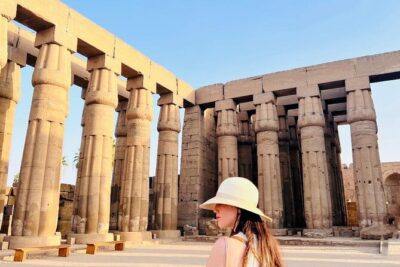
Finally, you arrive at Karnak Temple. This is the “wow, it just keeps going” part of Luxor. The Great Hypostyle Hall has 134 columns that create a forest-like interior. If you have ever struggled to understand temple layouts, this is where an Egyptologist makes a huge difference. You also get a look at the sacred lake area and time to explore afterward at your own pace.
Other Giza options on the table
- Private guided tour to Giza Pyramids, and Great Sphinx
★ 5.0 · 1,755 reviews - VIP Giza Pyramids,Sphinx,ATV bike,CamelRide,Shopping&DinnerCruise
★ 5.0 · 704 reviews - From Hurghada: Pyramids and Egyptian Museum Tour & Boat Ride
★ 4.4 · 381 reviews - Egyptian Museum in Cairo: Private Guided Tour
★ 5.0 · 316 reviews
Luxor Temple: Ramses II, Hieroglyphs, and the Feeling of Survival
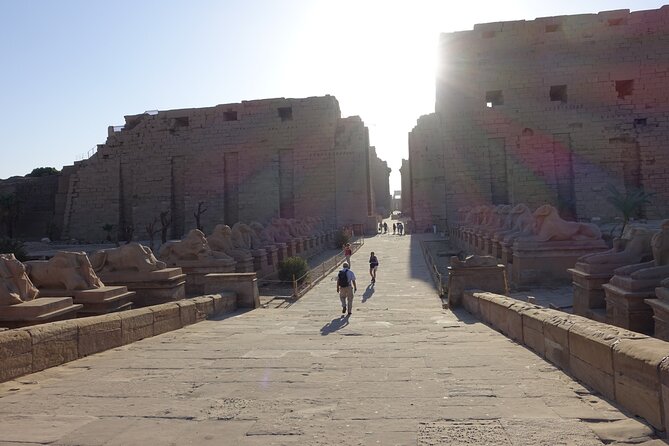
After Karnak, the tour continues with Luxor Temple. This is a different mood from the West Bank. Luxor Temple was once connected to Karnak by a long avenue of the Sphinx. You see Ramses II’s warrior statues and the temple’s survival through Nile floods, invasions, and thousands of years of weathering.
One practical detail: Luxor Temple is a place where interior wall details matter. The itinerary notes that the interior walls and columns are decorated with intricate hieroglyphics, and the guide will help you decipher them. That is one of the best ways to turn “I saw carvings” into “I actually understood what the carvings were saying.”
There is also a historical detail that makes the site feel strangely global. The program mentions obelisks tied to Alexander the Great’s later connections, and it notes that one pair ended up on Place de la Concorde in Paris. Even if you know that already, it lands differently once you stand in the original context.
The time here is shorter than Karnak, about 45 minutes, so this is not a sit-and-stare marathon. It’s a focused hit that complements the earlier scale.
El Hegz Village and El Kab to Edfu’s Temple of Horus
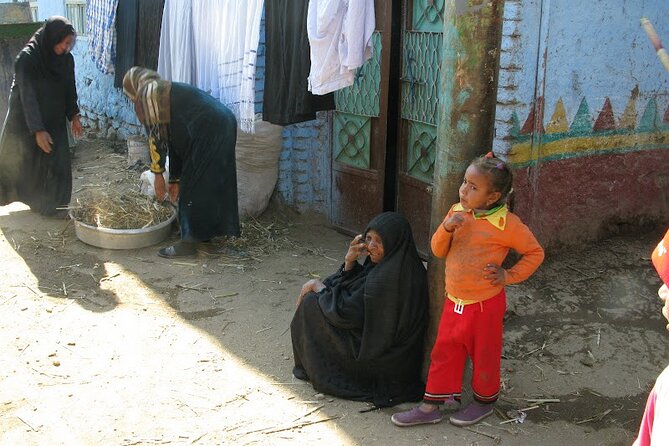
Day four is a refreshing change of pace because you get out of the main ancient-monument machine and into daily life nearby. You start around 7:00 am and drive to the village of El Hegz.
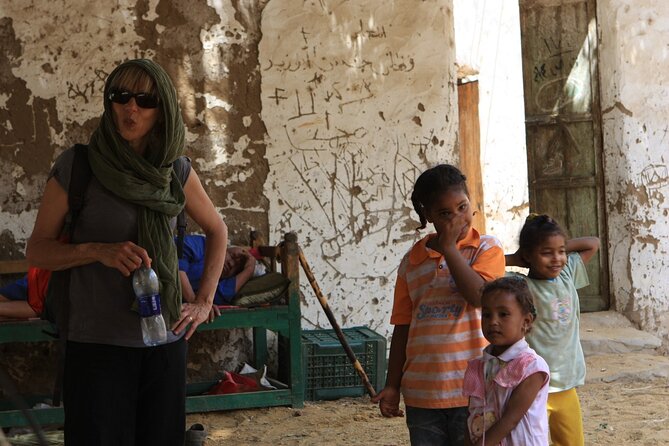
You walk through the local village, described as about 1.5 hours, with time to meet inhabitants and see farmers and farms of mango, banana, and sugar cane. This is the part I like most when people ask, “Will I see more than temples?” The answer here is yes, because you are actually seeing how people live around the sites.
Then you move into ancient territory with the tombs of El Kab and ruins connected with the ancient capital of Nekhen of Upper Egypt, plus the temple of Horus in Edfu. Even though the listing reads like multiple stops chained together, the experience you should expect is a day that strings together older and newer layers of place, with a lunch break that is more personal than a standard restaurant meal.
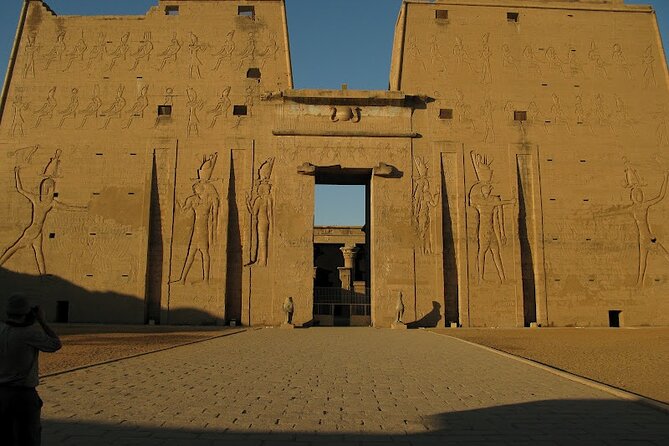
Lunch is at the farmer’s house, which fits the theme of the day. After that, you continue to the Temple of Horus in Edfu. This temple is known for being almost completely intact thanks to sand preservation. You also get the temple’s timeline, started by Ptolemy III Euergète in 237 and completed later in the time of Ptolemy XII Auletus in 57 BC.
The program highlights the sacred marriage scenes between Horus and Hathor, scenes tied to founding temples, and the battle between Horus and Seth. This is also where the Greco-Roman period context matters, since the temple inscriptions reflect language and religion in that era.
If you dislike long drives, this day may feel heavy. But if you like variety, it is one of the most memorable days on the whole trip.
Aswan and Philae: Isis on the Island, Then Nubian Life
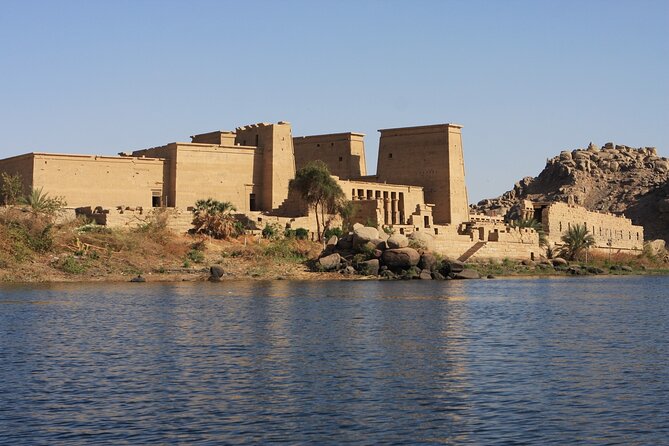
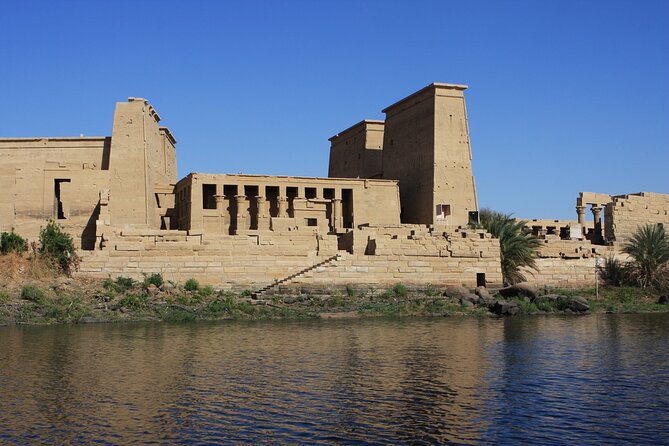
Aswan slows things down in a good way. After breakfast, you drive to Aswan and visit the Temple of Philae, dedicated to Isis. The temple is described as erected during the Greco-Roman period and associated with Isis as mother of Horus. Two hours here gives you time to see the island-temple feeling, plus room for your guide to explain the symbolism.
Then you head to Nubian Village time. This is not a distant viewpoint. It is a “close and personal” cultural stop with colorful painted houses and a chance to enter Nubian houses. You can take pictures and even play with the crocodiles mentioned in the program. There are places to buy souvenirs, Nubian crafts, and aromatic herbs.
One practical caution: “cultural experiences” can vary in how they feel. What matters most here is your approach. Treat it with respect, ask questions through your guide if you are curious, and keep your expectations flexible.
After the Nubian village portion, you transfer to your selected hotel. This is also one of the best moments to recharge, since the next day includes one of Egypt’s most demanding early starts.
Abu Simbel in the Quiet Morning: Why This Trip Uses the Early Start
Abu Simbel is famous for a reason. Ramses II’s temples are large and visually powerful, but the real story is the effort behind saving them.
You leave Aswan around 6:30 am for a quiet tour window. The program emphasizes guided time with an Egyptologist, plus free time at the temples, and then the long return drive to Aswan. That “quiet and special tour” timing is the whole point, because Abu Simbel tends to draw crowds once the day gets going.
The itinerary also gives the key history in plain terms: Lake Nasser flooded the area, and without intervention the temples would have been submerged. The most important temples, including Abu Simbel, were dismantled and rebuilt higher up on the hill where they stand today.
When you visit, keep an eye on the scale. The drama here is not only the carvings, it is the fact the whole site was moved. That context turns a big photo into a story about engineering, politics, and preservation.
You should plan this day as a full one. The total time is about 8 hours in the schedule, including around 2 hours at the temples and roughly 3 hours each way by road.
Price and Value: What You Get for $789.79 and What You Should Budget Separately
At $789.79 per person for a roughly 6-day loop, the price lands in the “structured and guided” category. Here’s what you are getting based on the tour details:
Included value points:
- Airport reception and assistance on arrival and departure
- Private air-conditioned vehicle transport for the routed days
- French speaking Egyptology-guide diploma (not just a driver with a microphone)
- Breakfast, lunch, and dinner plus a lunch stop during the village day
- Guided visits across Cairo, Luxor, Aswan, and Abu Simbel
- A simple and clean farmer’s house accommodation noted as part of the package
- Tax and service charge included
What you should budget separately:
- Entry tickets for monuments and sites are listed as not included
- Drinks and personal expenses are not included
- Tips are recommended
- Entry visa and international flights are not included
Where the value really comes from is the mix of big sites and explanation quality. If you have ever toured Egypt without guidance, you know how easy it is to miss the “why” behind the walls. Here, the Egyptologist-led focus is built into multiple days, including Karnak, Hatshepsut, Edfu, Philae, and Abu Simbel.
Also, based on prior trip feedback about the team, the organizing, safety feel, and clear explanations are standout strengths. Names that have shown up in praise include Mohamed Zaki and Mohamed Rabie, with support in Cairo mentioned through Chery. If you get a similar team vibe, that is a big plus for first-timers.
Should You Book This Cairo to Abu Simbel Tour?
Book it if you want a guided, end-to-end route that balances Egypt’s top monuments with real-life village time. The itinerary makes room for both: major sites like Giza, Karnak, and Abu Simbel, and slower experiences like El Hegz walking and Nubian village culture in Aswan.
Skip it or adjust expectations if:
- You prefer flexible free days with minimal early starts.
- You do not want to plan for separate entry ticket costs.
- You dislike long travel segments, since the schedule includes overnight train travel and a demanding Abu Simbel drive day.
If you like structure, appreciate Egyptology explanations, and want the trip to feel organized from airport pickup to Abu Simbel sunrise timing, this one is a strong fit.
FAQ
How long is the Discover Cairo, Luxor, Aswan and Abu Simbel tour?
It is approximately 6 days.
What is the price per person?
The price is listed as $789.79 per person.
Does the tour include airport pickup or assistance?
Yes. You get reception and assistance at the airport on arrival and departure, and you are also greeted by an English-speaking guide at Cairo International Airport.
Are admission tickets included for the monuments?
No. Admission tickets are not included for the listed sights.
What meals are included?
Breakfast, lunch, and dinner are included, plus a lunch stop during the El Hegz area day.
What type of guide do you get?
The tour includes a French speaking guide with an Egyptology diploma.
Do you visit Abu Simbel?
Yes. You visit the Abu Simbel Temple Complex, with departures from Aswan around 6:30 am and around 2 hours at the temples.
What time does the experience start?
The listed start time is 6:00 am.
Can I cancel for a full refund?
Yes. You can cancel up to 24 hours in advance for a full refund.
Newly added near Giza
- Full Day Trip from Cairo to Luxor★ 5.0 · 16 reviews
- Private half Day Tour to the Great 3 Pyramids of Egypt★ 5.0 · 15 reviews
- Private Guided Day Tour to Luxor from Cairo by Plane★ 4.5 · 11 reviews
- Private guide’s trip to Giza pyramids, Great sphinx valley temple★ 5.0 · 37 reviews
- Explore Pyramids & Great Egyptian Museum(gym)★ 5.0 · 12 reviews
- White desert camping and Baharya oasis overnight from Cairo★ 4.5 · 12 reviews
- Full-Day Private Tour to Giza Pyramids, Sphinx, Memphis & Saqqara★ 5.0 · 106 reviews
- Unique Tour to The Grand Egyptian Museum and 12 main galleries★ 4.0 · 38 reviews
Abu Simbel Day Trips, compared.
4-Days Nile Cruise From Aswan To Luxor including Abu Simbel and Hot Air Balloon
Read our review →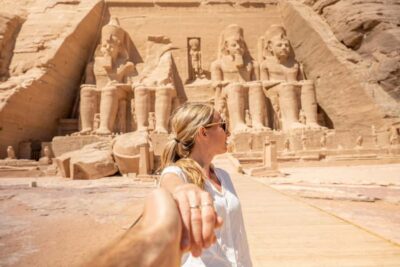
4-Day 3-Night Nile Cruise from Aswan to Luxor&Abu Simbel+Balloon
Read our review →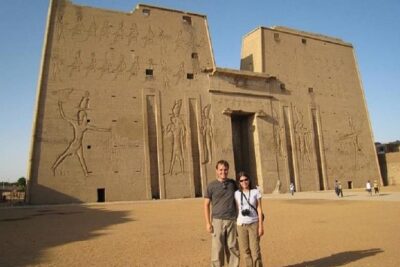
4-Day 3-Night Nile Cruise from Aswan to Luxor including Abu Simbel, Air Balloon
Read our review →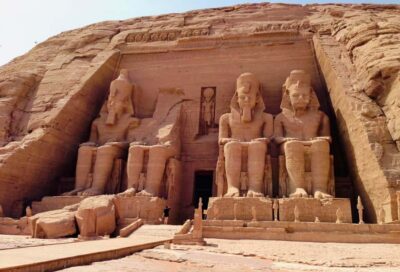
Abu Simbel Temple Private Guided Day Trip with Lunch
Read our review →4-Days Nile Cruise From Aswan To Luxor including Abu Simbel and Hot Air Balloon
Read our review →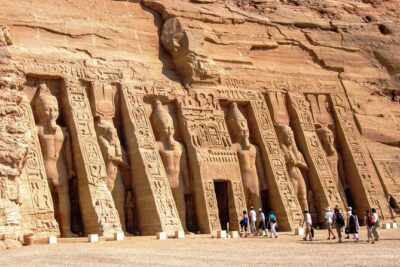
Private Day Tour to Abu Simbel Temples from Aswan
Read our review →4 Days Nile Cruise from Aswan to Luxor including Abu Simbel and Hot Air Balloon
Read our review →Browse the lists this tour appears in