Reviewed · LUXOR TOURS & ACTIVITIES
Enjoy Day Tour to East and West banks of luxor Highlights From Luxor
Two banks, five major monuments, one packed day. That mix is what makes this Luxor tour such a good deal: you hit the East Bank and West Bank in one go, guided by an Egyptologist, with lunch and door-to-door transfers.
I love that you travel with an Egyptologist guide who can explain what you are actually looking at, not just point and walk. I also like the practical hotel pickup and drop-off, since Luxor distances can eat up time fast. One thing to plan for, entrance fees are not included, so expect extra costs on top of the $40 price, plus a long day in the heat.
In This Review
- Key things to know before you go
- East and West Bank in One 8-Hour Loop
- Price and What It Really Covers (Plus Entrance Fees)
- Hotel Pickup, Air-Conditioned Comfort, and Staying on Schedule
- Valley of the Kings: Royal Tombs Carved Across 500 Years
- Deir el Bahari and Hatshepsut Temple: Terraces That Still Impress
- Colossi of Memnon: The Remaining 19-Meter Titans
- Karnak Temple Complex: Amun, Mut, Khonsu, and Centuries of Construction
- Luxor Temple: A 1400 B.C. Center of Worship on the East Bank
- Egyptologist Guide Value: Better Questions, Better Decisions
- Lunch Included, Heat Included, Energy Required
- What You’ll Notice at Each Stop (Without Needing to Be an Expert)
- Who This Tour Fits Best
- Should You Book This East and West Banks Day Tour?
- FAQ
- How long is the East and West Banks Luxor day tour?
- What sites are included in the itinerary?
- Are entrance fees included in the price?
- Is lunch included?
- Do I get hotel pickup and drop-off?
- Is there an Egyptologist guide?
- Is this tour private?
- Is there a mobile ticket?
- How much does it cost per person?
- What is the cancellation policy?
Key things to know before you go
- East and West Bank in one day with a smooth route and private air-conditioned transfers
- Small group focus with an English-speaking Egyptologist guide for better questions and pace
- Five headline stops including Valley of the Kings, Hatshepsut at Deir el Bahari, Karnak, and Luxor Temple
- Lunch included, so you do not lose prime sightseeing hours hunting food
- Colossi of Memnon admission is free, which helps offset some extra fees
- Mobile ticket plus confirmation at booking to make check-in simpler
East and West Bank in One 8-Hour Loop
Luxor is split by the Nile into two worlds, and this tour does the smart thing by covering both. You start on the West Bank with the Valley of the Kings and the standout temple of Hatshepsut, then you move to the East Bank for Karnak and Luxor Temple. In about 8 hours, you get a full taste of Thebes at its best, without having to plan two separate days.
The timing also matters. The stops are set with realistic visit blocks, like around 2 hours for the Valley of the Kings and about 1 hour 30 minutes for Hatshepsut and Karnak. That helps you avoid the common mistake of arriving exhausted and rushing everything.
Because this is guided, you also get better context as you move from site to site. Egyptology is not just facts, it is the ability to connect a temple layout, a burial landscape, and the names of gods and pharaohs into one story. This tour is built for that.
Other Luxor options on the table
- Hurghada: Luxor Valley of the Kings & Tutankhamun Tomb Trip
★ 4.7 · 13,208 reviews - Luxor Day Trip from Hurghada Small Group & Tutankhamun Tomb
★ 4.8 · 5,366 reviews - Hot Air Balloon Ride in Luxor Egypt with Transfers Included
★ 5.0 · 4,319 reviews
Price and What It Really Covers (Plus Entrance Fees)
The headline price is $40 per person, and you should think of it as the tour service plus logistics. What you get includes private air-conditioned transfers, pickup and drop-off from your Luxor hotel or airport, the Egyptologist guide, lunch, and all service charges and taxes. That is a lot included, especially when you compare it to pay-as-you-go arrangements.
The catch is entrance fees. Those are not included in the tour price. The itinerary lists admission ticket not included for the Valley of the Kings, Hatshepsut, Karnak, and Luxor Temple. Colossi of Memnon is listed as free, which is a small win.
In one recent German-language experience, the extra entrance cost was noted at about 35 per person. Your exact total can vary depending on what tickets you choose, but the important point is simple: budget extra for sites, or the $40 can feel cheaper than it really is once you arrive.
Hotel Pickup, Air-Conditioned Comfort, and Staying on Schedule
Pickup and drop-off are included, which is a big deal in Luxor. It saves you from figuring out local transport while you are juggling limited daylight and big walking routes. You meet the team at your Luxor hotel or at the airport, then you ride in a private air-conditioned vehicle between the sites.
This matters more than it sounds. The day includes both banks, plus long drives that can add up quickly. A comfortable vehicle helps you conserve energy for the temples and tombs, where the real time goes.
The tour also uses a small group size, with the Egyptologist guide shared among about 6 to 8 people. That is not a massive crowd. You should still expect you will hear answers, not just crowd noise, and your guide can adjust pacing if your group has questions.
Valley of the Kings: Royal Tombs Carved Across 500 Years
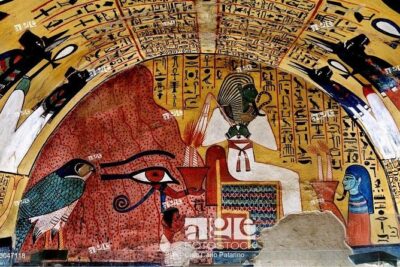
Stop one is the Valley of the Kings, on the West Bank, facing ancient Thebes, now Luxor. This valley was used for royal burials over a long stretch of time, roughly between the 16th and 11th centuries B.C., with use spanning about 500 years. The scale of that timeline is part of what makes it so compelling, it is not a single tomb, it is a burial landscape that kept evolving.
The valley is divided into two areas, an Eastern Valley where most royal tombs are located, plus a Western Valley. Even if you do not go inside every tomb (and not every option is guaranteed depending on tickets and plans), you can still appreciate the layout and why this valley became the place for so many kings.
Your visit time is about 2 hours. That is long enough to slow down, ask questions, and not feel like you must sprint between entrances. Still, plan for heat and sun. This is one of the places where shade is precious, so wear light clothing and keep water handy, even though the tour includes lunch later.
Admission tickets are not included for this stop, so plan that expense early. If you are trying to keep your total budget down, this is where you decide what you want to prioritize ticket-wise.
Also reachable from Luxor:
- Luxor: Shared Full-Day Tour to Luxor West and East Banks
★ 4.5 · 1,812 reviews - Luxor: Hot Air Balloon Ride over Luxor Relics
★ 4.8 · 1,681 reviews - Luxor Day Tour: Valley of Kings & Queens & Hatchepsut Temples
★ 5.0 · 1,496 reviews - Full Day Tour to East and West Banks of Luxor
★ 5.0 · 1,449 reviews
Deir el Bahari and Hatshepsut Temple: Terraces That Still Impress
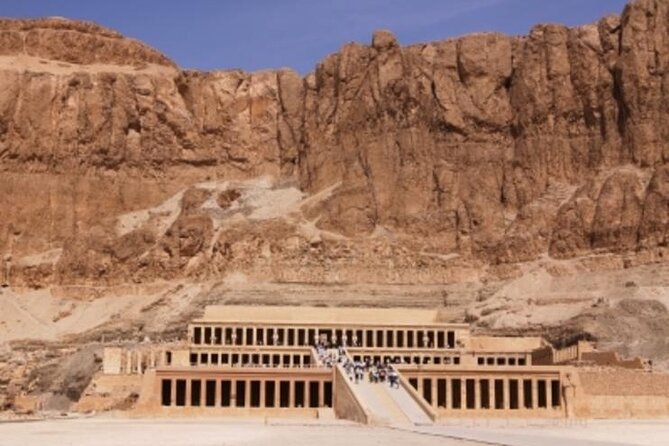
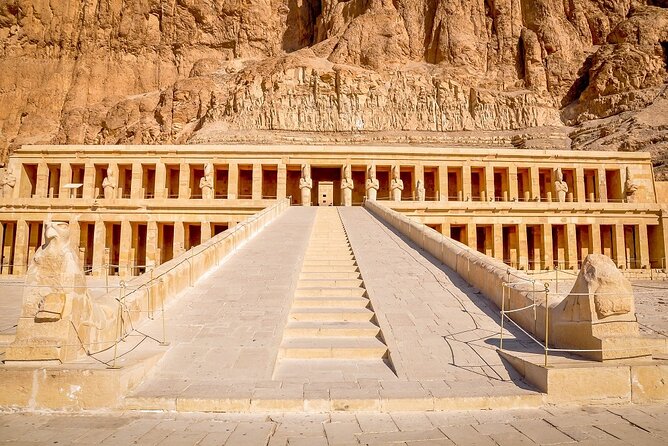
Next comes Temple of Hatshepsut at Deir el Bahari, one of the West Bank sites that instantly signals why people keep returning to Luxor. This temple is credited to Queen Hatshepsut and is known for its architecture, with three successive floors on open terraces. Even just walking the sightlines, you can understand why it is often considered the best preserved of the major surviving temples on the West Bank.
The building material is limestone, and the layout uses terraces and columns in a way that differs from many temples you see on the East Bank. The description of the temple includes statues associated with Osiris and Hatshepsut placed in front of the pillars of the second floor. The guide can usually connect those artistic choices to the broader idea of kingship and religious legitimacy.
Your time here is about 1 hour 30 minutes. That is a good length because you can take a slow loop and still have time to stop and look outward over the valley. Also, this is the kind of place where a guide explanation changes your experience, especially when you learn how the temple fits across from Taiba, the seat of worship of Amun in ancient times.
Admission is not included here either. If you want to keep your day smooth, treat tickets as a separate shopping step so you are not scrambling mid-route.
Colossi of Memnon: The Remaining 19-Meter Titans
Then you get a shorter stop at the Colossi of Memnon. These are two huge statues, dated around 1350 B.C., associated with Amenhotep III. What you see today are the surviving giants from a larger temple complex that once existed in Thebes.
Each statue is about 19 meters tall. The story goes beyond measurements too. The Greeks called them Memnon, and the legend includes the eastern statue cracking and producing a voice at dawn, tied to the myth of a hero calling his mother, the goddess of dawn. You do not need to be a mythology expert to enjoy this part, it is one of those human stories layered over ancient stone.
Your time here is about 30 minutes, which feels right. This is the kind of stop where you do a few good viewpoints, take photos, listen to the explanation, and move on without getting bored.
Good news: admission is listed as free for this stop. It helps balance out the paid tickets elsewhere in the day.
Karnak Temple Complex: Amun, Mut, Khonsu, and Centuries of Construction
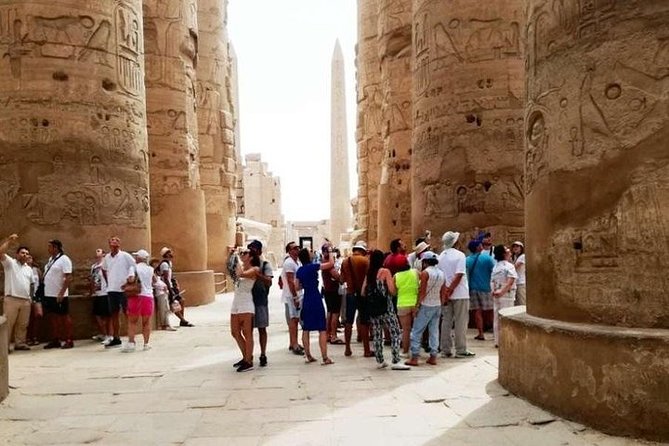
The East Bank gets its turn with Karnak, one of the largest temple complexes you can imagine. Karnak is not a single building finished in one lifetime. It is a whole complex of temples, buildings, and columns expanded and constructed over many eras, starting from Middle Kingdom kings and reaching into Roman-era times.
The complex is connected to the divine trinity of Amun, Mut, and Khonsu. That trio is useful to understand, because it gives you something more than a list of ruins. As your guide explains it, you can start seeing the site as a system, where worship spaces and additions reflect changing needs over time.
Your visit time is about 1 hour 30 minutes. That is enough to get a solid orientation, especially if your guide helps you understand the main axes and major zones. If you try to rush, you risk missing what makes Karnak feel so monumental: the sense that multiple generations kept adding, rebuilding, and redefining it.
Admission is not included for Karnak. Budget accordingly, and wear shoes you can stand in for a while.
Luxor Temple: A 1400 B.C. Center of Worship on the East Bank
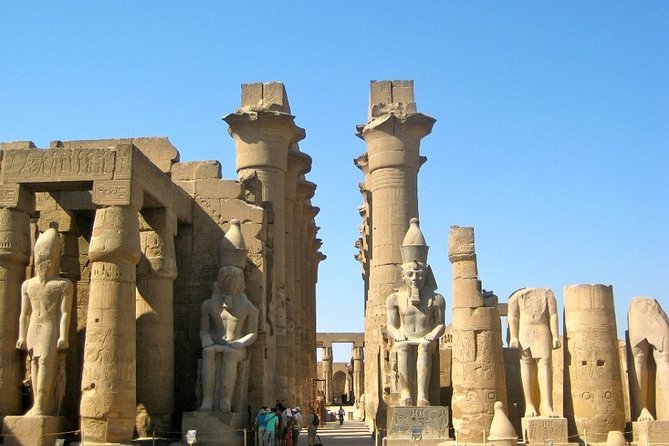
Finally, you end at Luxor Temple, another East Bank highlight that feels closer to everyday life than some of the larger outlying sites. The temple was founded around 1400 B.C. and was built for worship of Amun Ra, Mut, and Khonsu, often described as the Theban triad.
What I like about Luxor Temple, in a practical sense, is that you can connect it to the bigger story of Thebes without the day feeling split into disconnected trips. It includes key structures associated with major pharaohs, especially Amenhotep III and Ramses II. Ramses II added elements like the open courtyard, pylon, and two obelisks, which helps you recognize the layers of time at a glance.
The guide can also connect the temple to earlier work, with mention of Tuthmosis III establishing parts of it in earlier reign dates. Even without going deep into every reign, it gives you a sense that this temple is not a frozen snapshot, it is a long-running religious center.
You get about 1 hour here. That works well as a finale because you can absorb what you have already learned today. Admission is not included for Luxor Temple, so plan those fees too.
Egyptologist Guide Value: Better Questions, Better Decisions
The best part of this kind of day tour is not just seeing monuments, it is learning how to look. An Egyptologist guide helps you understand how tomb valleys differ from temple terraces, and why names and rituals matter when you stand in front of stone.
The tour is set up for a small group, about 6 to 8 people. That size tends to make questions easier. In one standout example, the Egyptologist Shaaban was praised for answering follow-up questions well and for adjusting the driving plan to match the group’s wishes. That tells you what to hope for: not just a script, but flexibility.
If you care about understanding why Egyptian sites look the way they do, this is where the tour pays off. You may still have free time in your head after lunch to notice patterns, like how temple designs guide the eye and how a burial landscape is organized for secrecy and protection.
Lunch Included, Heat Included, Energy Required
Lunch is included, which saves time and stress. It also helps you avoid the common trap of using your midday break to chase food and then arriving late or rushed at your final stops.
That said, this is still a long day, roughly 8 hours total, with extended time at Valley of the Kings and Karnak. High heat can be a real factor, and the itinerary is built around major outdoor walking. Plan for that with sunscreen, a hat, and water even if you feel fine at pickup.
A small practical mindset shift helps: think of the tour as a guided route through the biggest hits, not as a museum day where you can take breaks every ten minutes. You will get structured stops, but you should still dress for comfort.
What You’ll Notice at Each Stop (Without Needing to Be an Expert)
You do not need to study Egyptology before you go, but you will get more out of the day if you go in with curiosity. Here is what tends to click fast when the guide explains it.
At the Valley of the Kings, you start to see it as an organized royal burial zone used across centuries, not just a single famous tomb site. At Deir el Bahari, terraces and construction style become the visual proof of Hatshepsut’s architectural message. At Karnak, the Amun-Mut-Khonsu framework turns a pile of stones into a living plan that evolved over time. At Luxor Temple, the connections to Amenhotep III and Ramses II help you recognize layers as you look at the main structures.
This is also a tour where the order helps. Starting on the West Bank builds a foundation around funerary purposes, then crossing to the East Bank shifts you into worship and monumental temple life. You end the day with Luxor Temple so the trip feels like a complete story arc.
Who This Tour Fits Best
This tour is a strong fit if you want a focused day across both banks with minimal logistics headaches. It works well for first-time visitors who want the headline monuments and would rather leave the driving and scheduling to someone else.
It is also a good match if you prefer a small group experience, not a big bus crowd. With a private air-conditioned vehicle and a guide shared with about 6 to 8 people, you should get a better chance to ask direct questions.
You might want to think twice if you hate long walking in heat or if you have very limited stamina. This day includes multiple outdoor sites with several hours total spent in large temple and tomb landscapes. You can still do it at your own pace, but the itinerary is full.
Should You Book This East and West Banks Day Tour?
I would book it if your priority is efficiency plus strong guidance. For $40, you are not just paying for a ride, you are paying for transfers, an Egyptologist guide, lunch, and admission support by staying on a planned route.
Book it with clear expectations: entrance fees are not included, Colossi of Memnon is free, and the overall day runs about 8 hours. If you come prepared for heat and have comfortable shoes, the day feels rewarding because the stops are the core Luxor sights people plan around.
If you want an Egyptologist to explain more than the basics, and you like the idea of seeing both banks in one schedule, this tour hits that sweet spot. Just budget for tickets, and you will have a day that feels big in content and smooth in execution.
FAQ
How long is the East and West Banks Luxor day tour?
It runs about 8 hours (approx.).
What sites are included in the itinerary?
You visit the Valley of the Kings, Temple of Hatshepsut at Deir el Bahari, Colossi of Memnon, Temple of Karnak, and Luxor Temple.
Are entrance fees included in the price?
No. Entrance fees are not included, and the itinerary lists admission ticket not included for most stops.
Is lunch included?
Yes, lunch is included.
Do I get hotel pickup and drop-off?
Yes. Pickup and return drop-off are offered from your Luxor hotel or the airport.
Is there an Egyptologist guide?
Yes. The tour includes a private English-speaking Egyptologist guide shared with a small group of 6 to 8 people.
Is this tour private?
It is a private tour/activity. Only your group participates.
Is there a mobile ticket?
Yes, the tour uses a mobile ticket.
How much does it cost per person?
The price is $40.00 per person.
What is the cancellation policy?
You can cancel for free up to 24 hours in advance of the experience for a full refund. If you cancel less than 24 hours before the start time, the amount paid will not be refunded.
Newly added near Luxor
- Full-Day Private Guided Tour in the West Bank of Luxor★ 5.0 · 22 reviews
- Amazing 3 nights Nile cruise includes tours from Luxor to Aswan★ 5.0 · 57 reviews
- Hot Air Balloon Flight in Luxor with Pickup★ 4.5 · 14 reviews
- Private transfer from Luxor to Hurghada★ 5.0 · 43 reviews
- Quad Bike safari Experience in Luxor★ 4.5 · 62 reviews
- Private 2 Day Luxor Tour★ 5.0 · 71 reviews
- Private Tour in Luxor Egypt included entrance fees★ 5.0 · 11 reviews
- Private Transfer From Luxor to Marsa Alam★ 5.0 · 28 reviews
Luxor Tours & Activities, compared.
Luxor Valley of the Kings & Tutankhamun Tomb Trip
Read our review →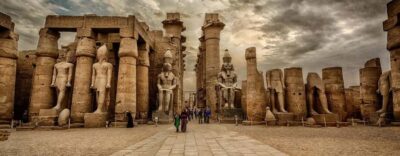
Luxor Day Trip from Hurghada Small Group & Tutankhamun Tomb
Read our review →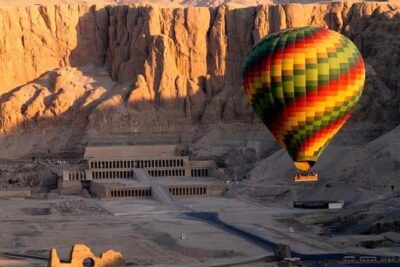
Hot Air Balloon Ride in Luxor Egypt with Transfers Included
Read our review →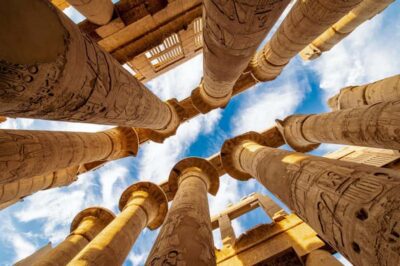
Shared Full-Day Tour to Luxor West and East Banks
Read our review →
Luxor Day Tour: Valley of Kings & Queens & Hatchepsut Temples
Read our review →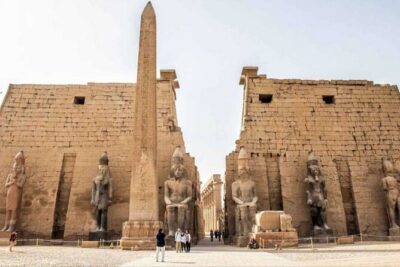
Full Day Tour to East and West Banks of Luxor
Read our review →