
Reviewed · LUXOR & ASWAN NILE CRUISES
Historia Hotel Nile Cruise, Mon. from Luxor 4 nts inc. Excursions
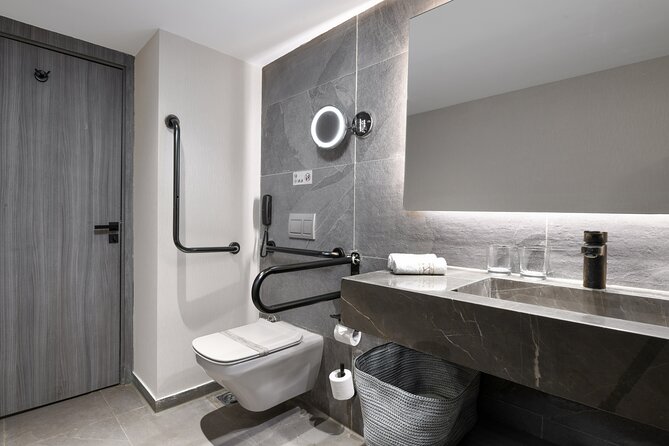
Luxury Nile days, packed with ancient temples. On the Historia Nile Cruise, I love the modern, spotless cabins with Nile views and the full-board meals that keep the day moving without stress. One thing to consider is that even with a small max party size, the itinerary notes shared cruise group excursions, so you should expect a set schedule on temple days.
This is a Luxor-to-Aswan route built around the east bank and west bank classics, plus the Aswan add-ons that most people skip when they only plan a quick stop. If you care about temple details, you will enjoy the guided pace, especially at Karnak, the Valley of the Kings, and the double temple at Kom Ombo.
Historia also leans hard into comfort and service, and the reviews name staff members like Khaled, Mohamed, Hussein El Omada, and guides such as Tarek and Zidane, with Chef Mahmoud getting repeated praise. Do note one practical snag: onboard internet can be unreliable, so plan on going offline some of the time.
In This Review
- Quick hits before you go
- A boutique-ship experience that starts the moment you arrive
- Price and value: what $3,498 per person really buys
- Day 1 in Luxor: Karnak and Luxor Temple, two icons with a purpose
- Day 2 on the west bank: Valley of the Kings and Hatshepsut’s mortuary temple
- Day 3 from Edfu to Aswan vibes: Kom Ombo’s double temple and Horus at Edfu
- Day 4 Aswan engineering stops: Philae area and the Unfinished Obelisk
- Day 5 in Aswan: a short breather before checkout
- How the touring really works: admissions included, groups shared, and guides matter
- Practical tips so your days feel good, not rushed
- Should you book Historia from Luxor to Aswan?
- FAQ
- What is the duration of the Historia Nile Cruise?
- Where does the trip start and end?
- What meals are included?
- Are admission tickets for the temples included?
- Will the excursions be private?
- What happens if the tour is canceled due to poor weather?
Quick hits before you go
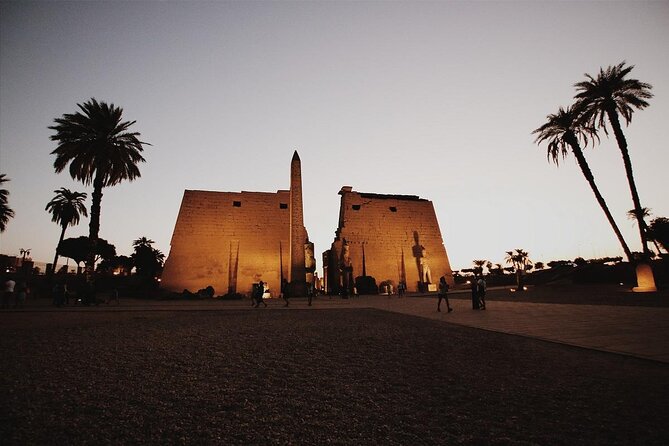
- Modern cabin comfort: clean, spacious rooms with views that make mornings on deck feel worth it
- Food you can count on: breakfast, lunch, and dinner are included, with Chef Mahmoud frequently highlighted
- Temple-heavy itinerary: Karnak, Luxor Temple, Valley of the Kings, Hatshepsut, Kom Ombo, Edfu, Philae, and the Unfinished Obelisk
- Guides with real language skill: reviews mention an Egyptologist guide who spoke perfect Spanish
- Entertainment on board: nightly programming plus an Egyptian buffet night shows up in the review notes
- Small party size, mixed touring: max 2 travelers per booking, but excursions can be shared with the cruise group
A boutique-ship experience that starts the moment you arrive
The Historia Nile Cruise is positioned as a boutique hotel on the water, and the day-to-day vibe matches that. You are not just buying transportation. You are getting a floating base where your room feels modern and your staff seems ready for you to make requests without friction.
What the review notes repeatedly underline is the crew. Names keep showing up across different stays, including Khaled (warm welcome), Hussein El Omada (service that goes beyond), and guides such as Mohammed, Tarek, and Zidane who are described as attentive and helpful. On top of that, housekeeping gets called out for thoroughness, which matters more than people think on a multi-day trip where you are returning after long temple walks.
Then there is the food. The onboard dining gets described as exceptional, with meals called fresh and well presented. The big recurring star is Executive Chef Mahmoud, and one review even highlights him making things special for kids. If you have dietary restrictions, that is another plus point mentioned: the team handled food needs without treating it like an afterthought.
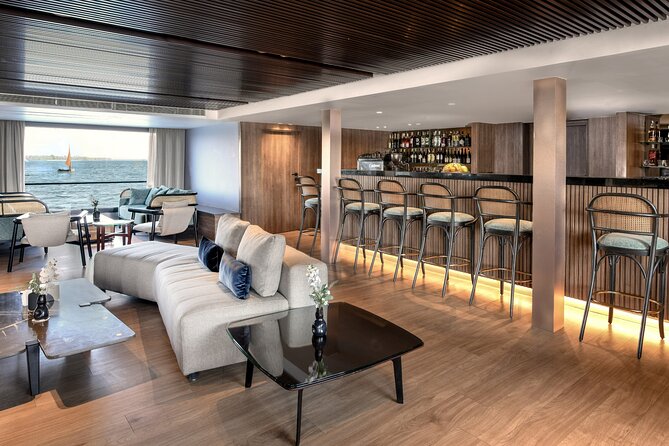
The boat also offers downtime on the schedule. There is a top deck for views and nightly entertainment that you can actually enjoy after a day of sightseeing. One review mentions an Egyptian buffet night that people clearly remembered.
The practical drawback is the one that can affect how you plan: internet connectivity. One guest notes it can be frustrating and that you cannot rely on WhatsApp for secure, dependable contact. So if you must be online for work or family, do not build your whole plan around it.
More Nile Cruises in Luxor
- From Luxor: 3-Night Nile Cruise to Aswan and Hot Air Balloon
★ 3.7 · 297 reviews - 5 Days Private Guided Nile River Cruise Tour from Luxor to Aswan
★ 5.0 · 229 reviews - From Luxor: 5-Day Nile Cruise to Aswan with Balloon Ride
★ 4.2 · 168 reviews
Price and value: what $3,498 per person really buys
At $3,498 per person, you are paying for a package, not a patchwork of add-ons. Here is what you get based on the tour details:
- All fees and taxes
- Sightseeing fees for what is listed in the itinerary
- All transfers by a modern air-conditioned deluxe vehicle
- Full-board accommodation (4 breakfasts, 4 lunches, 4 dinners)
- Excursions as mentioned, listed as sharing the Nile cruise group
- Admission ticket coverage for every major temple stop on the itinerary
What is not included is transportation fees from and to the cruise. So if your plan includes private flights, a hotel night, or a complicated arrival from Luxor Airport, you will need to budget for those external legs separately.
Why this matters for value: Nile cruises can be cheap at the headline, then get expensive when you tally entrance tickets, transfers, and meals. Here, the itinerary’s admission tickets are explicitly included for Karnak, Luxor Temple, the Valley of the Kings, Hatshepsut, Kom Ombo, Horus Temple at Edfu, Philae, and the Unfinished Obelisk. That is a major chunk of the cost, and it also reduces decision fatigue. You show up, you go, you do not have to juggle separate ticket purchases day by day.
This price also aligns with the “modern luxury” that shows up in the reviews: spacious rooms, cleanliness, attentive service, and entertainment that makes the evenings feel like part of the trip instead of downtime waiting for something better.
Day 1 in Luxor: Karnak and Luxor Temple, two icons with a purpose
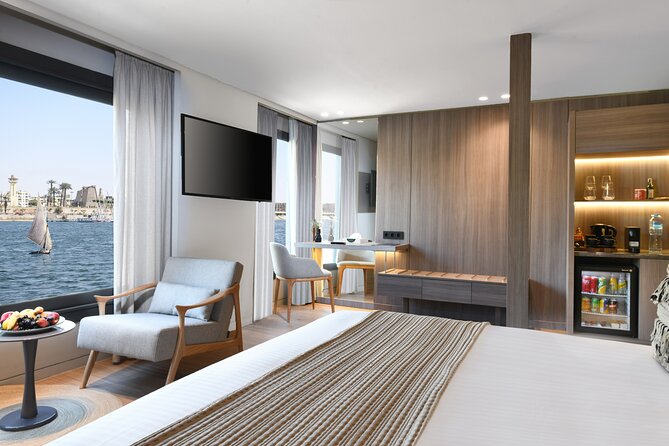
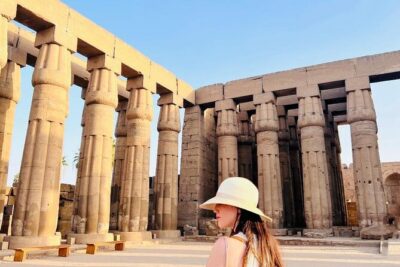
Day 1 is a big opener on the east bank. You start with Karnak Temple, described as the largest religious building ever constructed around 2000 BC, built in dedication to Amun, Nut, and Khonsu. You do not just see a single temple. You see a whole complex with decayed temples, pylons, chapels, and buildings packed into the same area. That layout is important because Karnak feels like a “temple city,” not a stop you can skim.
Then you head to Luxor Temple, constructed around 1400 BC. A key detail here is the theme. Unlike many temples dedicated to a god or king, Luxor Temple is tied to the rejuvenation of kingship. Historians even connect it to places where kings were crowned, including claims related to Alexander the Great.
Two hours at each stop is a good tempo. It is long enough to get the main structures and meaning, but short enough that you can still enjoy the experience rather than feel like you are being herded.
Possible consideration: temple time can be intense in the daytime heat. Even if the tour handles most of the movement, you still want to be ready for sun exposure and a lot of walking. If you are the type who needs breaks every hour, plan on building hydration into your rhythm.
Day 2 on the west bank: Valley of the Kings and Hatshepsut’s mortuary temple
If Day 1 feels like power and ritual on the east bank, Day 2 shifts to the west bank, where Egypt leans into death and afterlife, but in a way that still feels alive.
First is the Valley of the Kings, a burial ground with 63 tombs unearthed so far. The itinerary notes range from simple rooms to complex tombs with corridors and many chambers, and it name-checks pharaohs including Ramses II, Tutankhamen, and Seti I. It also highlights that the valley became a UNESCO World Heritage Site in 1979. That UNESCO framing matters because it’s a reminder that you are visiting a working archaeological focus, not just a set of ruins.
Next comes Temple of Hatshepsut, also known as Djeser-Djeseru. It sits beneath the cliffs at Deir el-Bahari, and it is a mortuary temple complex built for Hatshepsut and Amun. What makes it particularly memorable is the story told through relief sculptures, including the theme of Hatshepsut’s divine birth, tied to her position as a female pharaoh.
Together, these two stops create a satisfying contrast. The Valley of the Kings gives you the raw archaeology and scale of burial ambition. Hatshepsut’s temple gives you the built spectacle, with cliffside architecture that feels dramatic even before you decode the carvings.
Practical note: the west bank can involve more uneven walking. If you have mobility limits, you will want to pace yourself and keep your energy for the most important carvings and chambers the guide points out.
More Nile cruise itineraries:
- From Luxor: 3-Day Nile Cruise to Aswan with Private Guide
★ 4.2 · 147 reviews - Luxor: 4 Days Nile Cruise with Guided Tours & Abu Simbel
★ 4.5 · 104 reviews - From Cairo: 4-Day Nile Cruise to Aswan w/ Balloon & Flights
★ 3.6 · 86 reviews - Aswan: 3-Day Nile River Cruise to Luxor with Guided Tours
★ 4.4 · 62 reviews
Day 3 from Edfu to Aswan vibes: Kom Ombo’s double temple and Horus at Edfu

Day 3 is where the route starts to feel like a river story, because you go from Luxor-era classics into the Ptolemaic and later temple style you see farther south.
You begin with Kom Ombo Temple, a unique double temple. The itinerary calls it a Ptolemaic dynasty construction with duplication of halls, rooms, courts, and sanctuaries designed for two gods. The southern half is for Sobek, the crocodile god. The northern half is for Horoeris (Horus the elder), with the falcon connection. The symmetrical design is explicitly mentioned, and symmetry is one of those details you only fully appreciate when someone helps you map what you are seeing.
After Kom Ombo you move to the Temple of Horus at Edfu. Edfu is described as a town between Esna and Aswan on the west bank. Horus Temple, built from sandstone blocks between 237 BC and 57 BC, is considered one of the best-preserved temple ruins, and the itinerary highlights inscriptions that reveal insights into myth, religion, and language.
Two big reasons this day works for most visitors:
- You get variation, not just another hall of columns. Kom Ombo’s double layout makes you look twice.
- You get preservation and legibility at Edfu. When temples are well preserved, guides can explain details without stretching too much.
Consideration: temple days can stack up fast. By Day 3, you are deep into the “read the stone” zone. If you start losing focus, it helps to choose one theme per stop, like crocodile cults at Kom Ombo or inscriptions and storytelling at Edfu, and let everything else be supporting detail.
Day 4 Aswan engineering stops: Philae area and the Unfinished Obelisk
Aswan is often framed as relax time, but here it is also an engineering and geography day. You get the sense that this region is where the Nile’s “how it works” becomes part of the story.
Stop one is Temple of Philae. The itinerary gives measurements for the temple area and then adds context about Elephantine Island downstream of the First Cataract. The name Elephantine is explained as relating to both elephant and ivory, tied to trading ivory. It also mentions a belief that the island’s shape resembles elephant tusk. Even if you do not remember every detail, this context helps you understand why locals and rulers would care about this specific Nile stretch.
Then you visit the Unfinished Obelisk of Queen Hatshepsut in an Aswan stone quarry. This is one of the most fascinating stops on the whole route because it is literally a work in progress. The itinerary notes it is more than 3,500 years old and abandoned in the quarry. It was nearly one-third bigger than any ancient Egyptian obelisk, and if it had been completed, it would have weighed around 1,090 tones and reached nearly 42 meters high. Work was abandoned when cracks appeared in the granite after carving began.
This is the kind of sight that changes how you see the completed monuments. You realize these objects were not “just built.” They were planned, tested, and sometimes abandoned when the stone itself pushed back.
The only consideration here is the nature of quarry and stone sites. They might be less “soft” underfoot than smooth temple courtyards. Wear shoes you trust, and take your time with your footing.
Day 5 in Aswan: a short breather before checkout
Day 5 is more relaxed on paper. The itinerary lists Aswan with “just enjoying the spectacular views of Aswan before checking out,” and it notes 2 hours of free time.
This can be a good thing. After four days of temples and guided stops, it is smart to have a buffer. You end in Aswan city at Nile Cornish Street at the cruise port. The cruise experience has a clear arc: Luxor temples, west bank burial and mortuary sites, then southward temple highlights, and finally a view-focused wrap-up.
If you like photos, use this time. If you like pacing yourself, use it even more. Think of it as the part of the trip where your brain catches up.
How the touring really works: admissions included, groups shared, and guides matter
One reason packaged Nile cruises can feel either great or annoying is how the touring is handled. On this itinerary, several things reduce friction:
- You get assistance of personnel during your stay and excursions
- You travel by modern air-conditioned deluxe vehicle for transfers
- Admission tickets are included for all the major temple stops listed
- The excursions are described as sharing the Nile cruise group
- The experience has a maximum of 2 travelers per activity booking
That combination means you may get a small-group feeling on paper, but you can still join a shared structure on sightseeing days. For you, that usually translates into a schedule that is not fully flexible, but without the cost and coordination stress of arranging everything yourself.
Now, the tour description also mentions a promotional option: the cruise offers an exclusive service of private car and an in-person guide if you book the sightseeing package with them. That is worth paying attention to if you care about speaking directly with your guide, adjusting pacing, or asking deeper questions at each stop.
The reviews reinforce the guide angle. There are multiple mentions of attentive Egyptologists and staff who respond to what you need, including language support. One review specifically calls out a guide who spoke perfect Spanish, which is a reminder that the guide is not just a driver with a badge. They help you turn “interesting ruins” into actual understanding.
Practical tips so your days feel good, not rushed
Here are a few do-this-now tips based on how this itinerary runs, temple by temple.
- Treat the first hour of each day as your prime focus time. Karnak and Luxor start strong on Day 1, and you will enjoy them most if you do not mentally wake up halfway through.
- Plan for sun and water. Even with air-conditioned transfers, you will spend time outdoors at temples and quarries.
- Keep your eye on one or two themes per stop. For example, double temple structure at Kom Ombo, or divine birth story themes at Hatshepsut. This prevents information overload.
- Go easy on your phone use. Between long walk times and the note about internet reliability, you will enjoy the cruise more if you treat online time as optional.
- Pack for temple rules in Egypt. Covering shoulders and knees is a safe default for religious sites, and it keeps you from having to improvise when you arrive.
Should you book Historia from Luxor to Aswan?
If your priority is a comfort-first Nile cruise with excellent food, strong staffing, and a temple itinerary that actually covers the big names, Historia is a very solid pick. The biggest value sign is the amount included: full-board meals plus admission tickets and sightseeing fees across major sites, with transfers handled by an air-conditioned vehicle.
This is especially a good fit if you want to travel in a more personal way but still like having a guided plan. The reviews also lean toward couples and family-friendly comfort, with praise for staff warmth and even attention to kids’ enjoyment.
The main reasons to hesitate are simple: internet may disappoint you, and the sightseeing format is not fully flexible since excursions are listed as shared cruise-group activities. Also, it is a non-refundable experience, so if your schedule is tight or weather risk matters, you will want to be confident before you lock it in.
If that sounds like your style, book it. If you want total freedom to wander off-schedule, you might prefer a less structured option. For most people chasing temples plus modern comfort, Historia hits the right balance.
FAQ
What is the duration of the Historia Nile Cruise?
The duration is listed as 5 days (approx.), running from Luxor to Aswan.
Where does the trip start and end?
It starts at Luxor Airport at 12:00 pm. It ends in Aswan city at the Nile Cornish Street at the Nile Cruise Port.
What meals are included?
The cruise includes full board accommodation, with 4 breakfasts, 4 lunches, and 4 dinners.
Are admission tickets for the temples included?
Yes. The itinerary lists admission ticket included for Karnak, Luxor Temple, the Valley of the Kings, Hatshepsut, Kom Ombo, Horus Temple at Edfu, Philae, and the Unfinished Obelisk.
Will the excursions be private?
The booking is limited to a maximum of 2 travelers, but the excursions are described as sharing the Nile cruise group. A private car and in-person guide is offered when you book the sightseeing package with the provider.
What happens if the tour is canceled due to poor weather?
The experience requires good weather. If it is canceled due to poor weather, you will be offered a different date or a full refund.
More Cruises & Boat Tours in Luxor
- Hurghada: 2-Day Luxor Tour with Hotel, Balloon, & Boat Ride
★ 4.5 · 1,113 reviews - Amazing Sunset sailing by Felucca in Luxor -2 Hours (Private)
★ 5.0 · 255 reviews - Luxor: Private East and West Banks Tour and Felucca Cruise
★ 4.7 · 209 reviews - Luxor: Private Felucca Boat Trip with Hotel Pickup
★ 4.7 · 90 reviews
Newly added near Luxor
- Luxor: Karnak and Luxor Temples Private Half-Day Tour★ 4.7 · 27 reviews
- Private Full Day West Bank: Valley of kings Hatshepsut &More★ 4.9 · 40 reviews
- From Hurghada: Luxor Private Guided Day Tour with Lunch★ 4.6 · 28 reviews
- From Luxor: 3-Day Nile Cruise to Aswan with Private Guide★ 4.2 · 147 reviews
- Marsa Alam : Over Day Tour to Luxor & Balloon Ride & Felucca★ 4.4 · 29 reviews
- Marsa Alam: Snorkeling with Sea Turtles Marsa Mubarak★ 4.9 · 26 reviews
- Luxor Tour from Hurghada by bus★ 3.9 · 11 reviews
- Luxor: Habu, Deir El Medina, Shared tour, Guide, and Lunch★ 4.7 · 21 reviews
Luxor & Aswan Nile Cruises, compared.
4-Days Nile Cruise From Aswan To Luxor including Abu Simbel and Hot Air Balloon
Read our review →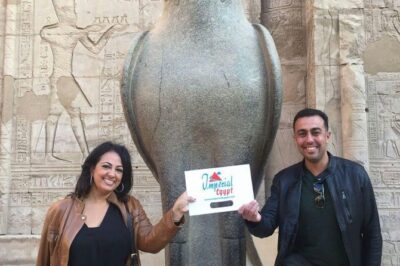
4-Day 3-Night Nile Cruise from Aswan to Luxor&Abu Simbel+Balloon
Read our review →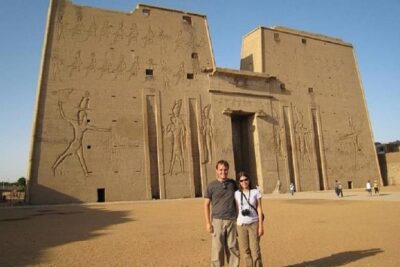
4-Day 3-Night Nile Cruise from Aswan to Luxor including Abu Simbel, Air Balloon
Read our review →
4-Day Nile Cruise from Aswan to Luxor with Guide
Read our review →4-Days Nile Cruise From Aswan To Luxor including Abu Simbel and Hot Air Balloon
Read our review →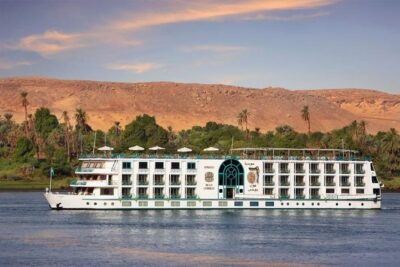
4-Day 3-Night Nile Cruise from Aswan to Luxor – Private Tour
Read our review →4 Days Nile Cruise from Aswan to Luxor including Abu Simbel and Hot Air Balloon
Read our review →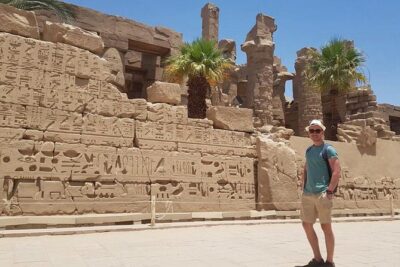
4-Day 3-Night Nile Cruise from Aswan to Luxor With Balloon and Abu Simbel
Read our review →Browse the lists this tour appears in