
Reviewed · 2-DAY EXPERIENCES
Private 2 Days The Best of Luxor
If you want Luxor’s big hits without the stress, this two-day plan is smart. You get a private Egyptologist-led route that ties the West Bank tombs to the East Bank temples in a way that actually helps it stick, not just a checklist. I especially like the stop-by-stop explanations from the Egyptologist, and the convenience of a private air-conditioned vehicle. One thing to watch: entrance fees are not included, and the optional Tomb of Tutankhamun can add an extra cost.
The day one schedule is tight but workable: early tomb visits, then a classic Deir el Bahari finale, and Ramses III landmarks before you head back. Day two keeps the pace high, with Karnak first, then Luxor Temple, and finally a guided visit to Luxor Museum to connect the dots with objects from local tombs. A possible drawback is time pressure inside the tombs, since many stops are around 25 minutes.
In This Review
- Key highlights to focus on before you go
- Two Days of Luxor: a plan that makes sense
- West Bank morning at the Valley of the Kings
- Tomb of Ramses III, KV 11: more than royal bling
- Ramses IX and the ceiling moments
- Merenptah’s tomb: corridors, axis, and protection scenes
- Optional Tomb of Tutankhamun (Tut): one ticket, big attention
- Deir el Bahari, Colossi of Memnon, and Ramses III landmarks
- Karnak Temple on day two: where the story grows louder
- Hypostyle Hall time matters
- Luxor Temple and the obelisks: a calmer follow-up
- Avenue of Sphinxes: the walk that links two temples
- Luxor Museum: the best place to make it all stick
- Price and logistics: what you pay for, what to budget
- Who this tour is best for, and who should look elsewhere
- Final call: should you book Private 2 Days The Best of Luxor?
- FAQ
- What time does the tour start?
- How long is the tour?
- Is hotel pickup and drop-off included?
- What’s included in the price?
- Are entrance fees included?
- Is a Tomb of Tutankhamun visit included?
- Does the tour include hot air balloon rides?
Key highlights to focus on before you go
- Private Egyptologist guidance that helps you understand what you’re seeing, not just where it is
- Valley of the Kings tomb circuit with several royal tombs on the West Bank
- Karnak Temple orientation that walks you through the Avenue of Sphinxes, Hypostyle Hall, and key features
- Luxor Temple plus obelisks for a clear East Bank story in a short window
- Luxor Museum context with a guided hour and time to explore further
Two Days of Luxor: a plan that makes sense
Luxor is one of those places where seeing “a lot” can still feel empty if nobody explains the connections. This tour avoids that common problem by pairing the West Bank necropolis with the East Bank temple complex, so you’re not just collecting monuments. You’ll also have a private guide and vehicle, which matters in Luxor because the sites are far enough apart that time can vanish if you’re hopping between group tours.
I like the structure of the days. Day one is about the royal afterlife landscape, then day two moves to the living-power side of the story through Karnak and Luxor Temple. By the time you reach the museum, you’ve already seen the architecture and tomb themes, so the artifacts feel earned.
This is also a good format if you’re short on time but still want a real guide. The schedule is long enough to feel substantial, but it’s not so long that you’re wiped out by the third monument in the heat.
Other Luxor options on the table
- Hurghada: Luxor Valley of the Kings & Tutankhamun Tomb Trip
★ 4.7 · 13,208 reviews - Luxor Day Trip from Hurghada Small Group & Tutankhamun Tomb
★ 4.8 · 5,366 reviews - Hot Air Balloon Ride in Luxor Egypt with Transfers Included
★ 5.0 · 4,319 reviews
West Bank morning at the Valley of the Kings
Day one starts with an early pickup around 8:00 am from central Luxor hotels or the harbor area, using an air-conditioned vehicle. The drive takes you to the Necropolis of Thebes, the Valley of the Kings on the West Bank, where the entire point is understanding royal burial design. Even before you enter the tombs, it helps to have an Egyptologist frame what these sites were built to do.
You’ll then visit four royal tombs during the main Valley of the Kings block. The tour includes tombs associated with pharaohs such as Ramses III and Merenptah, plus other stops listed as part of the four-tomb selection. Each tomb visit is relatively short, so you’ll want to come ready to absorb details fast.
Here’s what makes this part valuable for you:
- The Egyptologist can connect the tomb wall scenes to the religious ideas of protection, judgment, and kingship.
- You see differences in decoration and layout, which makes the Valley feel less repetitive.
- You get a more complete snapshot of the necropolis than if you only did one tomb.
Tomb of Ramses III, KV 11: more than royal bling
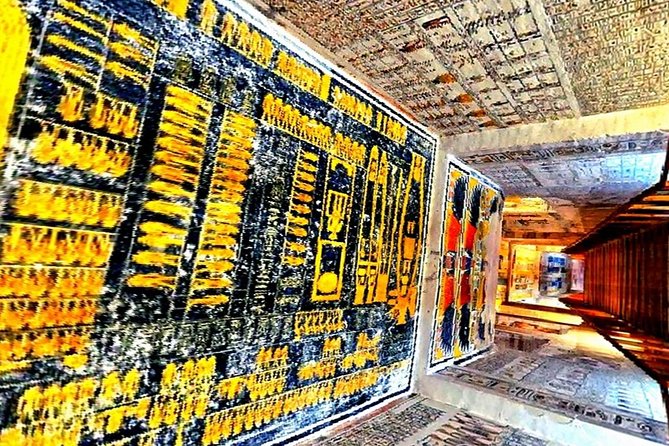
One of the named highlights is the tomb of Ramses III (KV 11). The description notes colorful painted sunken reliefs with ritual texts, including things like the Litany of Ra and Book of Gates. That’s the kind of detail that is hard to appreciate without someone explaining why those texts are placed where they are.
I also like that this tomb includes secular scenes in side rooms. You’ll encounter unusual subjects for a royal tomb setting, like foreign tributes and details such as pottery imported from the Aegean, royal armoury items, boats, and the “blind harpists” connection. If you’ve ever wondered why some tombs feel more human than others, this is one reason.
Ramses IX and the ceiling moments
Another stop is the tomb of Ramses IX. The most useful takeaway here is not the name alone, but the visual impact: color and detail even overhead. The ceiling above the sarcophagi includes the goddess Nut stretching across the space, which is one of those moments you remember because it changes how you see the ceiling, not just the floor.
The sarcophagus scale is also emphasized in the description, even if some paintings have deteriorated. That matters because it reminds you that you’re viewing a historical monument, not a museum diorama.
Also reachable from Luxor:
- Luxor: Shared Full-Day Tour to Luxor West and East Banks
★ 4.5 · 1,812 reviews - Luxor: Hot Air Balloon Ride over Luxor Relics
★ 4.8 · 1,681 reviews - Luxor Day Tour: Valley of Kings & Queens & Hatchepsut Temples
★ 5.0 · 1,496 reviews - Full Day Tour to East and West Banks of Luxor
★ 5.0 · 1,449 reviews
Merenptah’s tomb: corridors, axis, and protection scenes
The tour also includes the tomb of Merenptah (Tomb 8). The description points out that Merenptah was the son of Ramses II and Queen Isis-Nofret, and it notes how tomb design evolved, including corridor and room changes compared with earlier layouts.
What you should pay attention to during this stop is the overall design feel. Even when paintings fade, corridor height and the layout can tell you how the builders intended the movement through the tomb to work. That’s where an Egyptologist earns their fee, because they help you notice the structure behind the art.
Optional Tomb of Tutankhamun (Tut): one ticket, big attention
The itinerary includes the Tomb of Tutankhamun as an optional add-on. The entry fee is listed as 360 EGP (optional). If you choose it, you’ll get the chance to stand face to face with Tutankhamun’s royal mummy in the tomb.
If your budget is tight, you should treat this as your decision point. The Valley of the Kings is already substantial with multiple tombs, so Tut is either a must-see bucket list item or a nice-to-have if you still have room in your day.
Practical note: tomb visits are time-based, and you may feel rushed if you try to photograph everything. If Tut is the priority, focus on that stop rather than collecting dozens of quick shots.
Deir el Bahari, Colossi of Memnon, and Ramses III landmarks
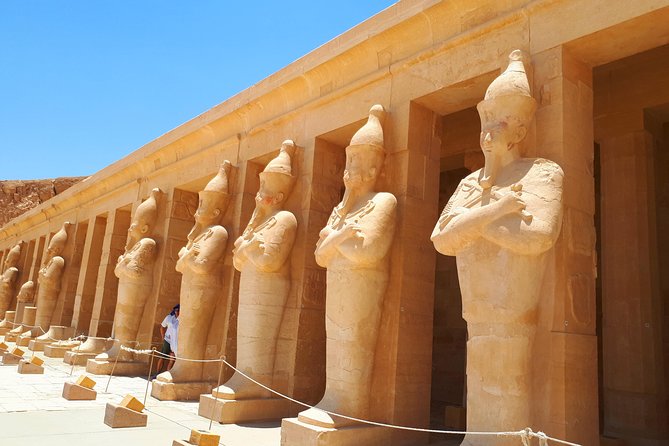
After the Valley tomb circuit, you’ll head to Temple of Hatshepsut at Deir el Bahari. This is described as the only woman ever to reign over Egypt as Pharaoh, and it’s also positioned as an ancestor connection to the same dynasty as Tutankhamun. Even if you don’t memorize every lineage detail, the Egyptologist guidance can make the site click as a political and religious statement, not just a dramatic cliffside temple.
Next comes the Colossi of Memnon, two massive statues dating to the era of Amenhotep III. The tour notes the admission here is free, which is a nice value add inside a tour where entrance fees are otherwise extra. These statues are also a great contrast point after the darkness of tombs, because you’ll be back in open air looking at scale.
Finally, the day includes the mortuary temple of Ramses III. This ties your tomb visit to the broader environment where the pharaoh’s cult and remembrance would have been expressed. Even if you don’t spend ages here, it helps your brain connect the burial site with the public-facing temple world.
For you, the best way to get value from day one is to keep one small mental rule: don’t treat it as separate sites. Treat it as a single story told through different spaces, dark tomb corridors first, then monumental open-air architecture.
Karnak Temple on day two: where the story grows louder
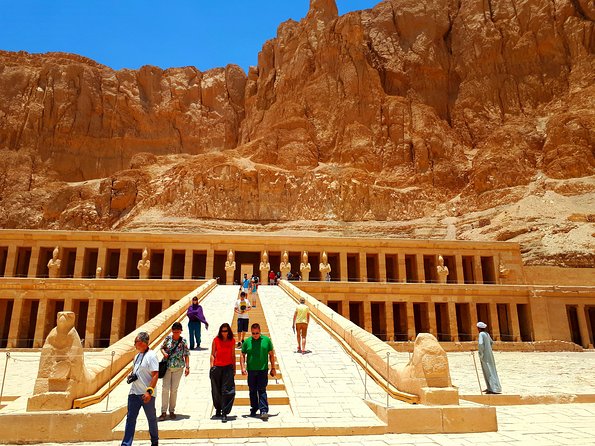
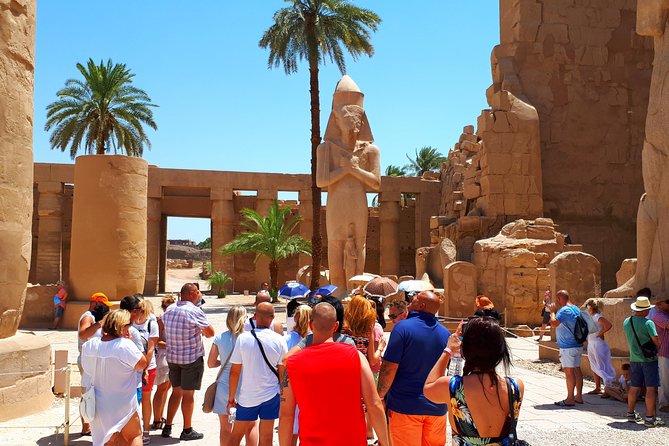
Day two begins on the East Bank with Karnak Temple, listed for about two hours. Karnak is not one building, it’s a complex built across reigns, and the tour lays that out clearly. You’ll move through areas such as the Avenue of Sphinxes, the Hypostyle Hall with 134 gigantic columns, and also mention the obelisks of Queen Hatshepsut and Thutmosis I.
The tour description also includes the Temple of Amon adorned with lotus and papyrus designs, the Granite Scarabeus of Amenophis III, and the Sacred Lake. That’s a lot of names, but the practical point is this: your Egyptologist guide can help you understand what each part was doing in the temple ecosystem.
I love Karnak best when I can mentally map it. With a guide, you can connect the dots between architectural features and religious symbolism, rather than walking past carvings that blur together.
Hypostyle Hall time matters
The Hypostyle Hall is the obvious target, and it’s easy to rush it if you’re eager to keep moving. Since the tour is structured around set visits, you’ll likely have a short window to look up and take it in. If columns and ceiling patterns are what you enjoy most, focus on the hall first, then circle back for the smaller elements your guide points out.
Luxor Temple and the obelisks: a calmer follow-up
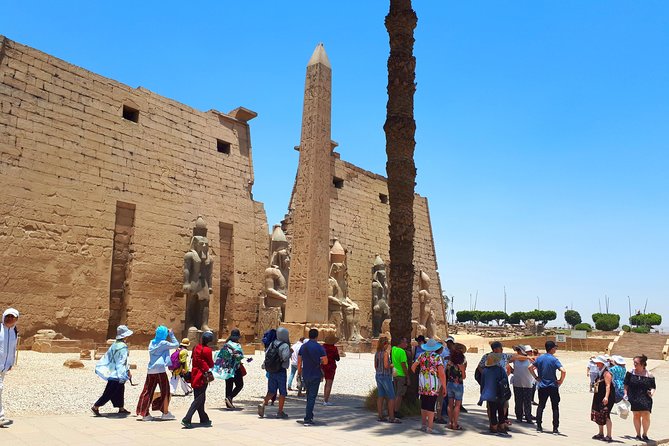
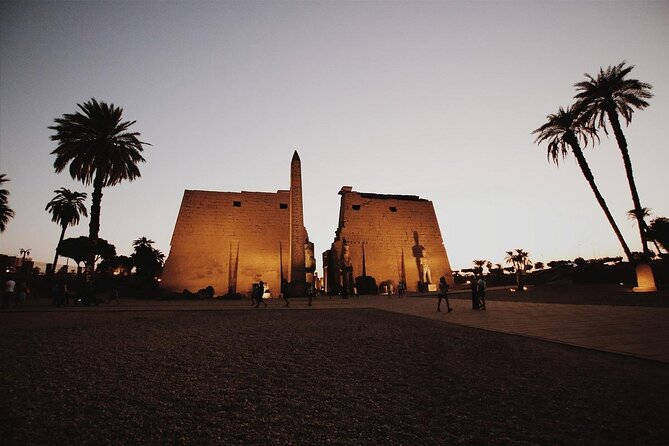
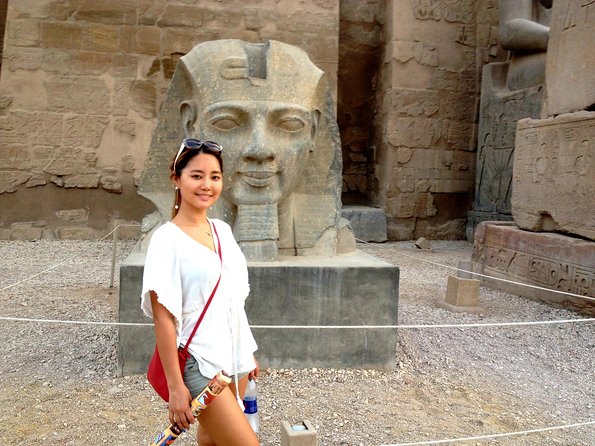
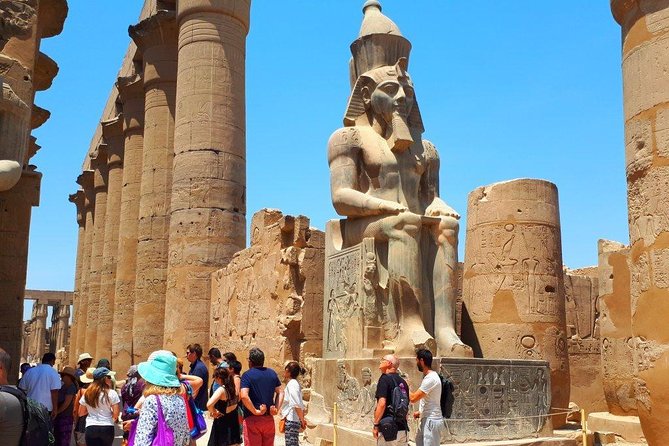
After Karnak, the tour continues with Luxor Temple, dedicated to the Theban Triad: Amun-Ra, Mut, and Khonsu. The itinerary calls out the granite statues of Ramses the Great as a key feature.
This stop is shorter at about one hour, which is a good match for how you’ll feel after Karnak. You’ll still get important sculpture and temple layout, but you won’t be stuck in the same building universe for too long.
The tour also includes short stops for Obelisk of Thutmoses I and an Obelisk of Queen Hatshepsut. These are quick photo moments, but they’re also useful because obelisks were power markers tied to specific reigns and temple roles. If you’re paying attention, those obelisks become a “time machine” for who built what and when.
Avenue of Sphinxes: the walk that links two temples
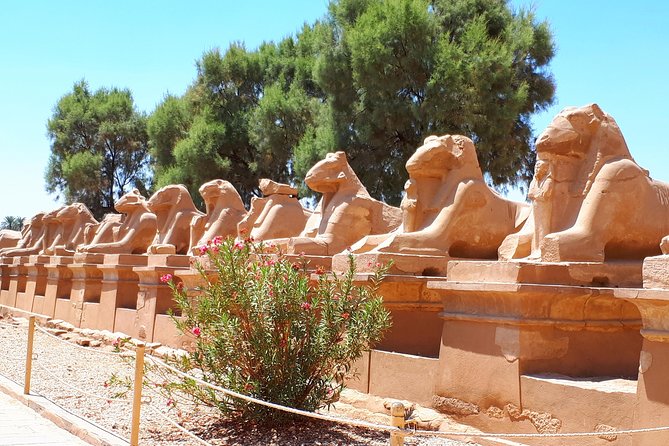
The final East Bank monument included in the main flow is the Avenue of Sphinxes, stretching from Luxor to Karnak. It’s described as impressive even though today only a few hundred meters remain, and the historic avenue once stretched about three kilometers.
This stop is brief, around 10 minutes. I treat it as a way to reset your perspective. After you’ve been inside massive temple spaces, seeing the corridor-like alignment helps you understand the geography of sacred spaces.
Tip for you: if the sun is beating down, use this moment to hydrate and slow down. It’s short, so you can enjoy the view without sprinting.
Luxor Museum: the best place to make it all stick
The tour ends with Luxor Museum, including a guided visit for about 1 hour. The museum portion is where the tour stops acting like a monument tour and starts acting like a learning tool you can use later.
The description notes that Luxor Museum has a collection of ancient items found in Luxor, including objects linked to King Tutankhamun’s tomb. You’ll also see a double statue of Sobek, the crocodile god, and king Amenhotep III, plus several mummies. You may also be able to look at tomb and temple decoration techniques, like the colors and tools used to decorate walls and spaces.
This is the practical magic trick of the tour. When you’ve just seen tomb iconography, museum artifacts give you a second chance to interpret what you saw. It turns random carvings into concepts you can explain in your own words.
After the guided portion, the plan includes free time to explore the museum for yourself. That’s where you can slow down and pick the things that truly grabbed you, instead of forcing attention onto everything.
Price and logistics: what you pay for, what to budget
At $150.00 per person, this private two-day tour has a clear value proposition: you’re paying for a qualified Egyptologist guide, hotel pickup and drop-off, and transport by air-conditioned vehicle. For two days, that’s a lot of guide time plus driving, especially when you consider that Luxor sites are not clustered like a walkable city center.
The biggest cost item to plan for is entrance fees. The tour clearly states that entrance fees for the mentioned sites are not included. In the middle of the Valley of the Kings stops, the optional Tomb of Tutankhamun has a specific fee listed at 360 EGP. So even if you like the idea of seeing Tut, expect that to be an extra line item.
Here’s how I’d think about it for your budget:
- If you want multiple tombs plus Karnak and Luxor Temple in one guided package, the private structure is efficient.
- If you’re on a strict budget, decide early whether the optional Tut stop is worth it for you.
- If you’re okay with entrance fees as part of the experience, the $150 price looks more reasonable because the bulk of what you’re buying is expertise plus transportation.
Start time is 8:00 am, which helps you beat some of the heat and light into the day. That’s important in Luxor, because midday can turn even a short walk into a slog.
Who this tour is best for, and who should look elsewhere
This is a strong pick for first-timers in Luxor who want a guided route that covers the big West Bank and East Bank priorities. It’s also ideal if you like learning, because the guide role is central. The itinerary is private, so you won’t have to coordinate with strangers or fight for attention.
It’s also a good option if you want safety and comfort built into the plan. The private vehicle and pick-up and drop-off reduce logistical friction, especially when you’re tired after long days.
You might want a different style of tour if you hate tight time blocks. Many tomb visits are around 25 minutes. If you prefer slow, unhurried museum-style exploration where you can linger for 45 to 60 minutes, you may find the pace a bit rushed.
One more consideration: hot air balloon is mentioned as a possibility over Luxor, but it is not included. If ballooning is a top priority, you’ll need to arrange it separately.
Final call: should you book Private 2 Days The Best of Luxor?
I’d book this if you want Luxor’s headline sites in two focused days and you care about understanding what you’re seeing. The tour’s strongest selling point is the Egyptologist guidance, including guides named Khalid and Ragab Elmotgalye in positive feedback for in-depth explanations and a confident, well-organized feel. The second best element is the pairing of tombs and temples, then finishing with the museum so your brain links buildings to artifacts.
Skip or reconsider if your budget is tight and entrance fees will be a stressor, or if you know you prefer slow pacing inside sites. If that’s you, you might still enjoy Luxor, but you may want a different format with more time at fewer stops.
If you do book, I’d plan your priorities now: decide whether Tut is worth the extra fee for you, then treat every other tomb stop as part of the same bigger narrative. That mindset is what turns two busy days into a real understanding of Luxor.
FAQ
What time does the tour start?
The meeting start time is 8:00 am.
How long is the tour?
It runs for 2 days (about 2 days total).
Is hotel pickup and drop-off included?
Yes. Hotel pickup and drop-off are included.
What’s included in the price?
The tour includes a qualified Egyptologist, hotel pickup and drop-off, and transport by air-conditioned vehicle.
Are entrance fees included?
No. Entrance fees are not included for the sites mentioned in the tour.
Is a Tomb of Tutankhamun visit included?
It’s included as an optional stop, and the entry fee is listed as 360 EGP.
Does the tour include hot air balloon rides?
A hot air balloon ride over Luxor is mentioned as a possibility, but it is not included.
Newly added near Luxor
- Full-Day Private Guided Tour in the West Bank of Luxor★ 5.0 · 22 reviews
- Amazing 3 nights Nile cruise includes tours from Luxor to Aswan★ 5.0 · 57 reviews
- Hot Air Balloon Flight in Luxor with Pickup★ 4.5 · 14 reviews
- Private transfer from Luxor to Hurghada★ 5.0 · 43 reviews
- Quad Bike safari Experience in Luxor★ 4.5 · 62 reviews
- Private 2 Day Luxor Tour★ 5.0 · 71 reviews
- Private Transfer From Luxor to Marsa Alam★ 5.0 · 28 reviews
- Private Tour in Luxor Egypt included entrance fees★ 5.0 · 11 reviews
2-Day Experiences, compared.
2-Day Luxor Tour with Hotel, Balloon, & Boat Ride
Read our review →
White & Black Desert tour 2 Days 1 night camping from Cairo.
Read our review →

White & Black desert camping tour 2 Days 1 night From Cairo
Read our review →
2 days cairo and giza attractions plus Gem, private tour
Read our review →
All Inclusive 2-Day Private Tour to All Pyramids and Cairo and 2 evenings
Read our review →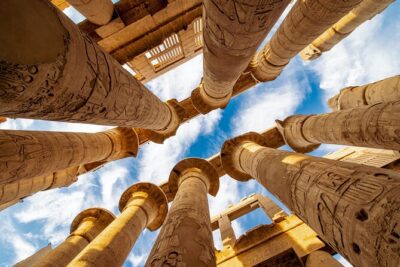
2-Day Top Attractions and Adventures Package in Luxor with Accommodation
Read our review →
2-Day Bahariya & White Desert Private Camp Adventure
Read our review →Browse the lists this tour appears in