

Reviewed · CITY TOURS
Private Cairo City Tour
A day in Cairo can feel like information overload. This private tour keeps it human and organized, with an Egyptologist-led plan that helps you understand what you are actually seeing. I love the private, door-to-door pickup that saves time and the way the guide puts museum objects in context, not just on a checklist. One consideration: entrance fees and lunch are not included, so plan for those costs and expect a long museum stop.
Because the itinerary is built around three big Cairo landmarks, you get a clean arc from ancient Egypt to medieval Cairo. You also travel in an air-conditioned vehicle, which matters when the day stretches into the afternoon. Do note the tour is weather-dependent, so if skies are bad you may be asked to switch dates.
In This Review
- Key things that make this private Cairo tour work
- Why this private Cairo day makes sense for first-timers
- Pickup, air-conditioned transport, and managing 7 to 9 hours
- Egyptian Museum highlights: Yuya and Thuya, Psusennes, Tanis, and the Narmer Palette
- The main museum tradeoff
- Making sense of Pharaonic artifacts without getting lost
- Cairo Citadel: Saladin’s fortress and a skyline that changes how you see Cairo
- What to watch for at the Citadel
- Mosque of Muhammad Ali, the Alabaster Mosque, and what to notice up close
- A practical timing note
- Price and value: what $55 per person really buys you
- Who should book this Cairo private tour, and who might want a different format
- The human touch: what makes the guide experience feel worth it
- Should you book this private Cairo city tour?
- FAQ
- How long is the Private Cairo City Tour?
- Is hotel pickup included?
- Are entrance fees included?
- Is lunch included?
- Is this a private tour?
- What is the cancellation policy and what happens with poor weather?
Key things that make this private Cairo tour work
- Door-to-door pickup means fewer delays and no stops to collect other travelers.
- An Egyptology-focused guide helps you pick out the stories behind famous objects.
- Egyptian Museum time you can actually use, including major highlights rather than random wandering.
- Cairo Citadel + Muhammad Ali Mosque gives you skyline views and Old Cairo atmosphere in one stretch.
- A practical, full-day format (about 7 to 9 hours) that suits first-timers who want structure.
Why this private Cairo day makes sense for first-timers
Cairo has a way of throwing you into the deep end, fast. This tour is a smart way to avoid aimless pacing, because it turns three huge sites into a connected story you can follow.
You’ll start with the Egyptian Museum, then shift to the Citadel, and end at the Mosque of Muhammad Ali, often called the Alabaster Mosque. That arc matters, because it shows how Cairo layered civilizations on top of each other instead of treating ancient and medieval eras like separate worlds.
I especially like that this is private, meaning the pace can match your interests and attention span. If you want to spend extra minutes with a specific object or photo spot, you are not stuck with a crowd schedule.
The one drawback is the same for every “big highlights” plan: the day is full. If you do not like museum time, you might feel it by the end, especially since entrance fees are on you and lunch is not part of the package.
Other Cairo options on the table
- Cairo: Pyramids & Great Sphinx Private Tour with Camel Ride
★ 4.9 · 6,335 reviews - Tour to Giza Pyramids and The Egyptian Museum
★ 5.0 · 6,016 reviews - VIP All inclusive Best of the best Giza Pyramids,Sakkara,Memphis
★ 5.0 · 3,164 reviews
Pickup, air-conditioned transport, and managing 7 to 9 hours

The tour runs about 7 to 9 hours, so the comfort factor is real. You’re in an air-conditioned vehicle, and you get private transportation with pickup offered, which reduces friction in a city where traffic can be unpredictable.
The door-to-door setup is not just convenience, it also changes how you experience Cairo. You lose less time to logistics, which means more time looking, asking questions, and actually understanding what you’re looking at.
Bring practical basics: comfortable shoes, water, and a layer for indoor spaces. The museum will keep you standing and moving, and the Citadel area can feel exposed depending on the weather.
Also, plan your lunch decision ahead of time. Since lunch is not included, you’ll either need to grab something during the day or be ready to eat after. If you tend to skip meals while sightseeing, this is the one part of the day where that habit can backfire.
Egyptian Museum highlights: Yuya and Thuya, Psusennes, Tanis, and the Narmer Palette

The Egyptian Museum is the kind of place where you can either rush and regret it, or take a guided path that makes sense. With this tour, you get a seasoned guide specializing in antiquities and Egyptology, and that makes a difference because the museum can overwhelm even curious people.
You will spend about 3 hours at the Museum of Egyptian Antiquities, and the point is to hit the big anchors without missing key context. This museum is described as the oldest archaeological museum in the Middle East and home to a vast collection of Pharaonic artifacts spanning from the Predynastic Period to the Greco-Roman era.
Here are some of the standout items your guide can help you connect:
- The complete burials of Yuya and Thuya
- Psusennes I and the treasures of Tanis
- The Narmer Palette, tied to the unification of Upper and Lower Egypt
- Major royal statues of Khufu, Khafre, and Menkaure, linked to the pyramid builders of the Giza era
Even if you’ve heard names before, this kind of structured visit is where they stop being trivia. A good guide helps you understand why these objects matter, what they represent, and how they fit into the larger picture of ancient Egyptian power and belief.
A practical benefit: the guide can help you decide what to photograph and what to simply watch closely. Museums like this reward slow looking, and without guidance it’s easy to speed through the most important rooms.
The main museum tradeoff
The museum is big and you’re only there for about 3 hours. If you are the type who wants to read every label, you may want more time or a second visit. But for most people, this time window is a strong “high-impact first visit” structure, especially when the goal is context and highlights rather than exhausting coverage.
Also reachable from Cairo:
- From Cairo: Pyramids of Giza, Sphinx, Saqqara & Memphis Tour
★ 4.7 · 3,110 reviews - Cairo 8 Hour Private Tour of Pyramids, Egyptian Museum and Bazaar
★ 5.0 · 2,931 reviews - Cairo: Pyramids, Sakkara & Memphis Tour with Lunch
★ 4.6 · 2,493 reviews - Private ViP all-inclusive Giza Pyramids,Sphinx,Inside Pyramid
★ 5.0 · 2,448 reviews
Making sense of Pharaonic artifacts without getting lost
What I like about a guide-led museum visit is not that you see more, it’s that you see with a lens. Your guide can point out the story connections between royal burials, political unification, and famous dynastic names like Psusennes, Tanis, and the Narmer period.
This is also where having someone comfortable with Egyptology helps you avoid misconceptions. Ancient Egypt is famous, but it is also easy to repeat half-remembered facts. A guide can keep you grounded in what the objects themselves are signaling.
Use the time actively. When you reach a major artifact, ask yourself: What is this object trying to communicate? Is it about kingship, state power, death rituals, or legitimacy? If you keep those questions in mind, the museum becomes less like a maze and more like a guided lesson you can walk through.
If you want to do this tour well, set a simple goal before you arrive. For example, you can aim to leave knowing the meaning behind the Narmer Palette and why Yuya and Thuya’s burials are so significant. You don’t need 50 new facts. You need a few solid ones you can remember.
Cairo Citadel: Saladin’s fortress and a skyline that changes how you see Cairo
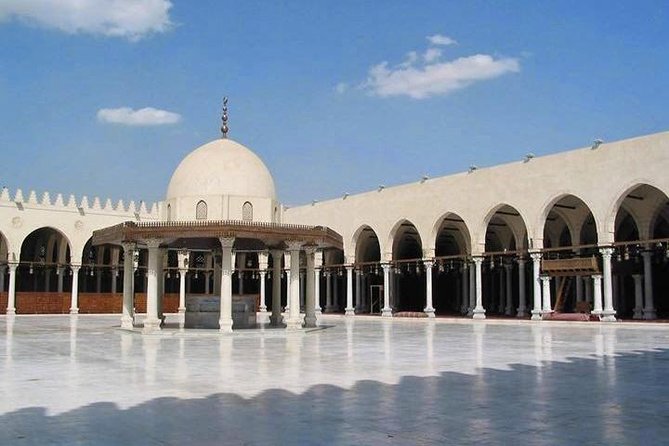
After the museum, the scenery shifts fast. You move from museum halls into open air, medieval fortifications, and a lookout over the city.
The Citadel of Cairo, also called the Citadel of Saladin, is a medieval Islamic-era fortification built by Salah ad-Din (Saladin) and developed by later Egyptian rulers. It served as the seat of government and residence for rulers for nearly 700 years, from the 13th to the 19th centuries.
This stop is about perspective. Because it sits on a promontory of the Mokattam hills, the Citadel commands a strategic position overlooking Cairo. In practical terms, you get a sense of how the city’s power and control worked, not just what buildings are standing now.
You’re there for about 1 hour, and that is the right amount for most people. You can take in the views, walk the key areas, and reset your senses after the density of the museum.
What to watch for at the Citadel
The Citadel area can feel more exposed than you expect. Wear sunscreen if the day is bright, and keep an eye on the weather since the overall tour is described as requiring good weather. If you dislike standing in sun, plan to take small shade breaks and bring water.
Also, the Citadel is not a “quiet stroll” kind of place. Expect you’ll be moving, looking around, and coordinating your timing with the rest of the day.
Mosque of Muhammad Ali, the Alabaster Mosque, and what to notice up close
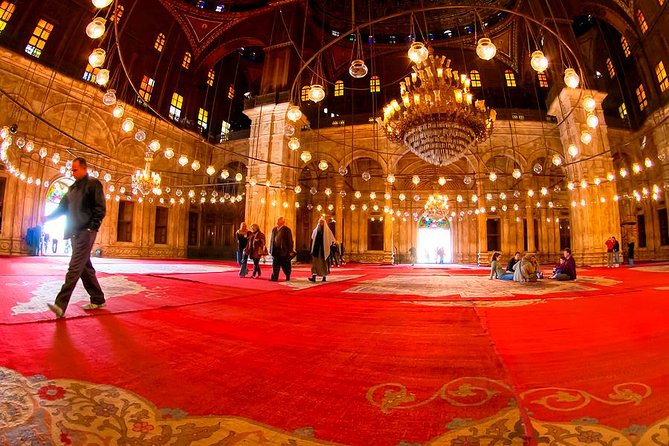
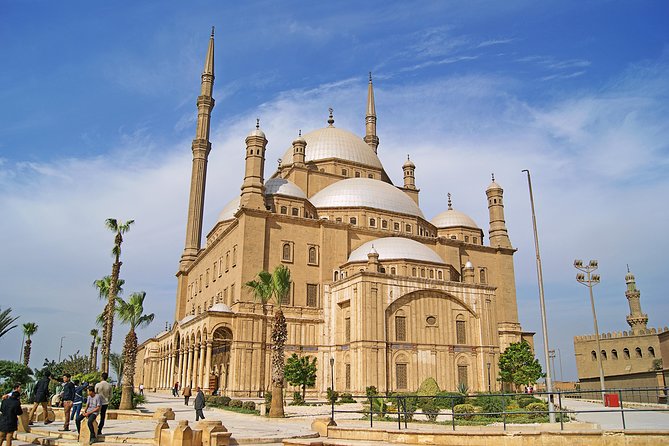
Your final major stop is the Mosque of Muhammad Ali, located on top of the Citadel. It’s described as the largest mosque built in the first half of the 19th century, and its silhouette with twin minarets makes it one of the most visible mosques in Cairo.
The name Alabaster Mosque often comes up because of its light-colored materials and its striking appearance from the city streets. Even without focusing on architectural details, it’s hard not to notice how the mosque dominates the skyline from this elevation.
The tour gives you about 30 minutes at the mosque. That short time is intentional. It lets you see the main viewpoint and structure without turning the day into a marathon of religious sites.
One fact I like because it adds meaning to the visit: the mosque was built in memory of Tusun Pasha, who was Muhammad Ali’s eldest son and died in 1816. That kind of detail helps you look beyond the exterior and understand why this place exists on the citadel.
A practical timing note
Because this stop is relatively short, make your decisions quickly when you arrive. Pick one strong viewpoint for photos, then use the remaining minutes for close observation. If you wander too far, you risk rushing the parts that actually match your expectations.
Price and value: what $55 per person really buys you
At about $55 per person, the headline price looks straightforward. The real value is in how the tour bundles transportation, a private guide, and tight site sequencing into a single plan.
You get:
- Private transportation
- An air-conditioned vehicle
- A tour guide
And you do not get:
- Entrance fees and taxes (they’re at your expense)
- Lunch
So the cost is not “all-in” in the way some packages are. But it is also not charging you for time you do not need. The door-to-door approach means fewer delays, and you’re not spending energy coordinating separate tickets and separate guides for each stop.
If you like structure, this price usually feels fair. You’re paying for someone to help you choose what to prioritize at the Egyptian Museum and for the context that makes the Citadel and Alabaster Mosque more than just photo stops.
If you are a hardcore museum reader who wants to spend most of the day inside, you might feel limited by the museum timing. But for a first-time Cairo day built around top highlights, this is the kind of setup that prevents wasted hours.
Who should book this Cairo private tour, and who might want a different format
This tour fits well if you:
- Want a guided introduction to Cairo’s top landmarks in one day
- Prefer a private pace over group logistics
- Like learning, not just sightseeing
- Are visiting Cairo for the first time and want clarity between ancient Egypt and later eras
It may not fit if you:
- Want a longer, slower Egyptian Museum visit
- Have a very limited attention span for museums
- Expect lunch to be included (it isn’t)
One more thing that matters: the tour is described as requiring good weather. If you’re traveling in a season with frequent rain or storms, be prepared for the possibility of a date change.
Also, while many people can participate, the day involves multiple walking periods across different settings. Comfortable shoes are not optional.
The human touch: what makes the guide experience feel worth it
Even when a tour has the right landmarks on paper, the guide makes it click in real life. The best version of this tour is the one where you feel guided through decisions, not just transported between places.
From feedback, the guide style is professional and courteous, and there’s a practical element too. The tour support has reportedly extended beyond sightseeing with help coordinating logistics in Egypt, such as COVID testing and airport transportation. That kind of assistance can reduce stress when you’re juggling multiple moving parts during a trip.
For you, the takeaway is simple: if you’re someone who likes clear communication, ask questions early and let your guide help you with timing. A private setup is not about being left on your own. It’s about having an informed person in your corner.
Should you book this private Cairo city tour?
If you want a well-run first-day Cairo experience with strong highlights and real context, I think this is a good bet. You’re paying for time saved through door-to-door pickup and for an Egyptology-focused guide to steer you through the Egyptian Museum’s hardest part, knowing what matters.
Book it if your goal is: see the key artifacts, get a meaningful overview, and then top it off with the Citadel and Muhammad Ali Mosque views. You’ll come away with more than photos, you’ll have names, stories, and a clearer mental map of Cairo’s timeline.
Skip it or consider a different plan if you need a fully all-in budget with lunch included, or if you know you want to linger in the Egyptian Museum for much longer than a few guided hours.
If you do book, set your expectations: entrances and meals are on you, and you’ll want to dress for walking and for the weather. With that handled, this private day is an efficient way to make Cairo’s big cultural landmarks feel understandable.
FAQ
How long is the Private Cairo City Tour?
The tour lasts about 7 to 9 hours.
Is hotel pickup included?
Pickup is offered, and the tour includes private transportation in an air-conditioned vehicle.
Are entrance fees included?
No. Entrance fees are at your expense.
Is lunch included?
No. Lunch is not included.
Is this a private tour?
Yes. It is a private tour, and only your group participates.
What is the cancellation policy and what happens with poor weather?
You can cancel up to 24 hours in advance for a full refund. The experience requires good weather, and if it is canceled due to poor weather you will be offered a different date or a full refund.
Newly added near Cairo
- Private Day Tour to El Fayoum & Valley of the Whales from Cairo★ 5.0 · 13 reviews
- Full Day Tour Giza Pyramids, Sphinx and Egyptian Museum &Felucca★ 5.0 · 9 reviews
- Private Day Tour Egyptian Museum, Citadel ,Mohamed Ali Mosque and Coptic Cairo★ 5.0 · 34 reviews
- Private Day Tour To Luxor from Cairo by Plane★ 4.5 · 41 reviews
- Grand Egyptian Museum★ 3.5 · 48 reviews
- Private Cairo Day Tour Giza Pyramid, Sphinx, Civilisation Museum★ 5.0 · 19 reviews
- Private Day Tour of the Giza Pyramids Alabaster Mosque and Hanging Church★ 4.5 · 9 reviews
- Allinclusive Private Tour Fayoum Oasis & Valley of Wales★ 5.0 · 78 reviews
City Tours, compared.

Female-Guided Pyramids, Sphinx & Museum City Tour
Read our review →

Private or Shared City Tour with Guide & Shopping
Read our review →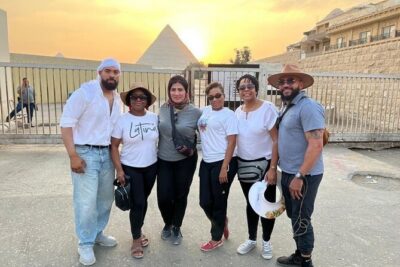
Private tour: GIza Pyramids, Memphis City & Sakkara Pyramid
Read our review →
8 hours Cairo day Tour to Giza Pyramids, Memphis City, Sakkara and Dahshur
Read our review →
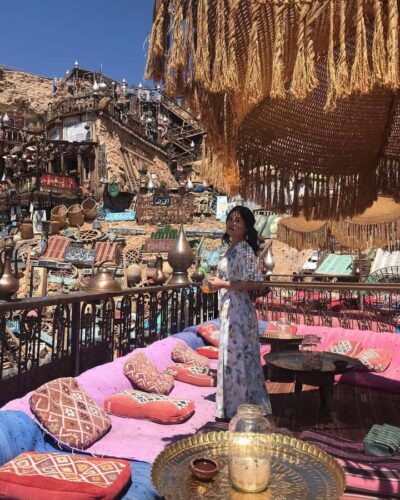
Sharm El Sheikh City Tour: Old Market, Mosque & Farsha Café
Read our review →
Sharm El Shiekh: Beach and City Desert Horse Riding Tour
Read our review →Browse the lists this tour appears in