
Reviewed · 1-DAY TOURS
Private Day Trip to Dendara and Abydos Temples
Dawn hits early, but the payoff is huge. This private day trip pairs an Egyptologist guide with two standout temple stops, Abydos and Dendara, so you get context, not just photos. I love the 7 AM hotel pickup and the air-conditioned mini bus, and I also like how the temples are explained in plain language as you go. One thing to consider is the long drive for a 10 hour day, so plan for a steady pace, comfy shoes, and a bit of patience at the sites.
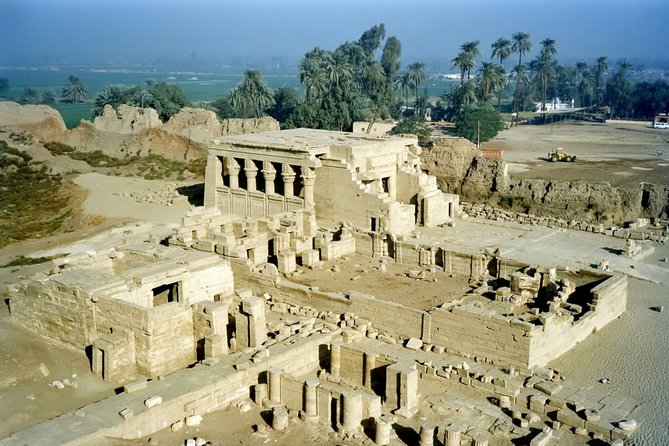
Abydos Temple is the kind of place where details matter, and the guide helps you notice what you might otherwise miss. You’ll also spend time at Dendara Temple, dedicated to Hathor, with a strong sense of how late Ptolemaic worship shaped the architecture. If you’re looking for a tightly timed sprint, this tour may feel unhurried, because the whole point is time for guided looking and learning.
You get a private group experience, so the schedule stays flexible for questions and photos. In the best moments, you’ll feel like you’re walking through the story, not just passing monuments.
In This Review
- Key highlights before you go
- 7 AM Luxor pickup and the road north
- Abydos Temple: Seti’s limestone temple on three levels
- Seeing Ramses through Seti’s temple design
- Dendara Temple and Hathor, late Ptolemaic worship in stone
- The value of an Egyptologist guide, Adel and the photo-friendly approach
- Price and logistics: is $90 per person worth it?
- What you need to know for a smooth 10 hour day
- Should you book this private trip to Dendara and Abydos?
- FAQ
- What time does pickup start in Luxor?
- How long is the day trip?
- Is the tour private?
- What is included in the price?
- Are entrance fees included?
- Is West Bank pickup available?
- Is there free cancellation?
Key highlights before you go
- Private, Egyptologist-led temple time with an English speaking guide who can answer real questions
- Early departure from Luxor so you waste less of the day on heat and slow starts
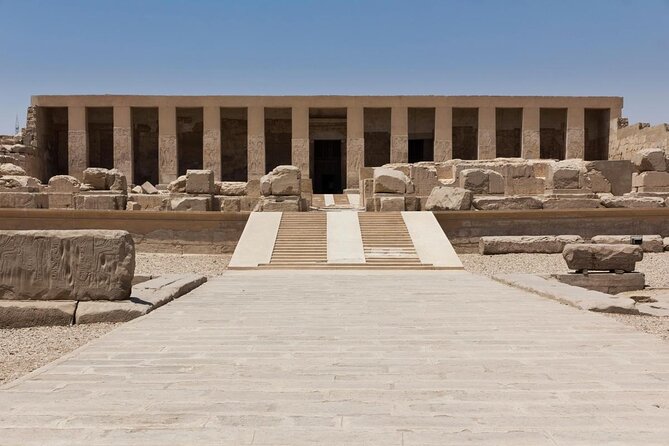
- Abydos Temple’s limestone design on three levels, explained so the layout makes sense
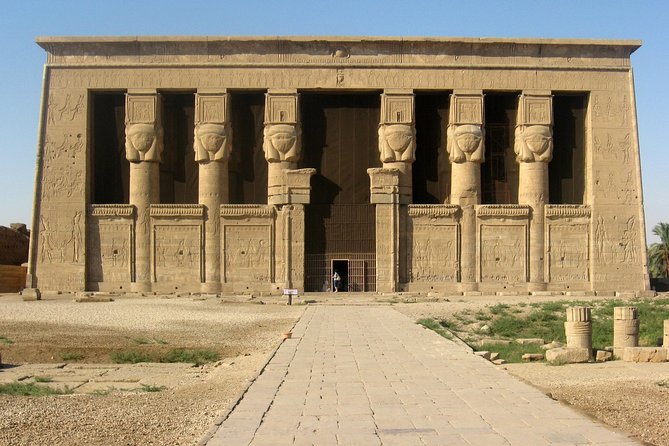
- Dendara Temple’s Hathor focus, with late Ptolemaic-era significance
- Comfort on the road thanks to an air-conditioned mini bus and bottled water
7 AM Luxor pickup and the road north
This is a day trip that starts early in Luxor, with pickup from your hotel at 7:00 am. The goal is simple: get out before the hottest part of the day and give you enough time to actually see both temple sites without rushing through everything. If you prefer mornings where the schedule feels calm, this timing works well.
Once you’re on the road, you’ll drive north past everyday village life. That matters more than it sounds. Temple days can turn into a bubble of stone and sand, but the drive gives you a real sense of where you are in Egypt, not just where the monuments are.
Transportation is in an air-conditioned mini bus, and you get bottled water. Two practical points. First, you’ll want water on hand even if the guide says the stops are manageable, because a long day adds up. Second, the air-conditioned ride is a big quality-of-life boost when you pair it with early starts and lots of walking.
There’s also a small option for where you start. If you’re staying on the West Bank, pickup there is available for an extra $5 per person. That’s a minor add-on, but it can make the logistics smoother if you don’t want to transfer yourself.
Other Luxor options on the table
- Hurghada: Luxor Valley of the Kings & Tutankhamun Tomb Trip
★ 4.7 · 13,208 reviews - Luxor Day Trip from Hurghada Small Group & Tutankhamun Tomb
★ 4.8 · 5,366 reviews - Hot Air Balloon Ride in Luxor Egypt with Transfers Included
★ 5.0 · 4,319 reviews
Abydos Temple: Seti’s limestone temple on three levels
Abydos Temple is the first major highlight of the day. It’s known for its limestone construction and a design laid out over three levels. Even if you’ve seen other Egyptian temple complexes, this is the kind of layout that rewards guided attention, because your brain has to re-map the building as you move through it.
Your Egyptologist guide walks you through what makes Abydos special, and it helps you understand the temple as a constructed idea, not just a collection of rooms. When a guide points out relationships between spaces, doorways, and the overall plan, you start noticing how people moved and worshiped here.
The drive to Abydos also sets you up for the visit. You’re told about interesting historical details along the way, so when you reach the site, the conversation continues instead of starting from scratch. That’s one of those quiet travel advantages that makes the day feel richer.
One more thing that’s worth planning for: Abydos can be visually intense but physically tiring. You’ll likely be walking through uneven surfaces and spending time looking up as well as around. Bring shoes you can trust, and give yourself permission to slow down when your eyes want to chase every carved surface.
Seeing Ramses through Seti’s temple design
The experience centers on Seti’s temple, and it’s tied to his father Ramses in a way that makes the archaeology feel personal. The site is described as unique, and part of that uniqueness is how you can trace power, lineage, and religious purpose through the way the temple is built and presented.
Here’s what you should expect from this kind of explanation. You’re not just hearing names. You’re learning how Seti’s temple acts like a conversation with Ramses. That connection is often easier to understand when someone points to architectural choices and tells you how they were meant to be read.
This is also why a guided experience can be a better value than wandering alone. If you’re not sure what you’re looking at, a temple day can turn into a photo hunt. With an Egyptologist guide, you get a framework that helps you spend less time guessing and more time seeing.
I also like that the focus stays practical. You’re given enough context to understand the big picture, without turning the day into a lecture that burns through your energy. The best temple visits feel like walking and talking at the same time.
Dendara Temple and Hathor, late Ptolemaic worship in stone
After Abydos, you drive on to Dendara Temple. Dendara is dedicated to Hathor, the goddess of motherhood, and the temple dates back to the late Ptolemaic period. That time period matters because it helps explain why the temple feels both ancient and distinct from earlier Egyptian styles you might have seen elsewhere.
You’ll arrive at a sacred site on holy Egyptian ground, and the atmosphere changes as soon as you step into the temple complex. Even if you’re not an expert in Egyptian religion, the Hathor dedication gives you a theme to follow. Instead of just looking at carvings, you can think about what this temple was designed to honor.
Dendara is also known for relics of religious structures built during that later era. Translation: you’ll see evidence of long-standing traditions, but filtered through a specific historical moment. That blend can make the visit feel especially rewarding if you like the idea of history continuing rather than restarting.
A practical caution. Dendara is a place where you might want extra time with certain walls and corridors. If you tend to move fast, you may need to slow your pace down. A private guide helps here, because you can pause when something catches your attention instead of feeling rushed to keep up with a group.
Also reachable from Luxor:
- Luxor: Shared Full-Day Tour to Luxor West and East Banks
★ 4.5 · 1,812 reviews - Luxor: Hot Air Balloon Ride over Luxor Relics
★ 4.8 · 1,681 reviews - Luxor Day Tour: Valley of Kings & Queens & Hatchepsut Temples
★ 5.0 · 1,496 reviews - Full Day Tour to East and West Banks of Luxor
★ 5.0 · 1,449 reviews
The value of an Egyptologist guide, Adel and the photo-friendly approach
Two names came up in the experience in a way that tells you what to expect from the guiding style. Adel is noted as awesome and attentive, including help with photos and staying ready when you need assistance. That kind of responsiveness matters on temple days, where lighting changes and you might want a different angle or a safer viewing spot.
There’s also Emad, the driver praised for being on time, taking the right roads, and giving passengers a secure feeling. On a long day like this, confidence in the driver is not a luxury. It affects how relaxed you feel when you arrive and how much energy you have for walking and looking.
An Egyptologist guide can do more than recite facts. The best guides help you ask better questions. When you understand what the temple’s layout is trying to do, you can actually read the space as you walk through it. That turns the day from seeing monuments into understanding why these monuments were built in the first place.
If you care about photographs, you’ll probably appreciate a guide who can spot good photo moments and help you time them. That said, temple interiors and shaded areas can change the look of your camera settings fast. Keep your expectations flexible, and remember that some of the best images are the ones where you step back and take in the whole plan.
Price and logistics: is $90 per person worth it?
At $90 per person for a private 10 hour trip, the value depends on what you want from the day. If you simply want transport to two sites and you’re comfortable reading ruins on your own, you might find cheaper options. But if you want an English speaking Egyptologist guide who explains the why behind the what, this price starts to look more fair.
Here’s what your money covers. Hotel pickup and drop-off in Luxor, transportation in an air-conditioned mini bus, bottled water, taxes and charges, and a professional private Egyptologist English-speaking guide. Entrance fees are not included, and tipping is also not included. So you’ll need a little extra cash or card planning for entry costs at the sites.
The private format also matters. You’re not fighting for space, and your guide can adjust to your questions. That can be a big deal when you’re trying to understand specific temple details like Abydos’s three-level layout or Dendara’s Hathor theme.
There are also group discounts, though the exact details aren’t specified. If you have friends traveling with you, private can get even smarter value fast.
One small logistics note. The experience includes a mobile ticket. That can reduce friction on arrival, since you’re not scrambling with printed paperwork.
What you need to know for a smooth 10 hour day
This is a long day, so your success depends on your preparation as much as the guide’s. Start with comfort basics. Wear supportive walking shoes, bring a hat or scarf for sun, and keep sunscreen handy. Even with early timing, temple visits can still drain you with sun, shade changes, and dust.
Bring a small water plan. Bottled water is included, which helps a lot, but it never hurts to have a bit extra if you tend to drink more. If you’re someone who gets headache-y in heat, hydration and breaks become part of the strategy.
Pack for camera and movement. Temples often have bright exteriors and darker interior passages. If you shoot photos, consider your camera settings or phone brightness needs before you get frustrated.
Also think about pace. The trip runs about 10 hours, so even if stops feel relaxed, your total time adds up. If you tend to get overwhelmed by too many historical sites in one day, focus on quality of looking rather than trying to see every corner.
Finally, if you’re staying on the Luxor side, pickup is straightforward. If you’re on the West Bank, plan for the extra $5 per person for pickup there.
Should you book this private trip to Dendara and Abydos?
Book it if you want a guided day where the temples make sense. Abydos Temple, with its limestone construction laid out over three levels, is exactly the sort of place where an Egyptologist adds real value. Dendara Temple, dedicated to Hathor and dating to the late Ptolemaic period, gives you variety so the day doesn’t feel like a repeat of the same style of stone.
Skip it or reconsider if you strongly prefer self-paced exploration and you’re not interested in explanations. Also reconsider if long travel time and a full day schedule will stress you out.
If your priority is a calm morning, comfortable transport, and someone who can help you notice what matters, this is a strong choice at $90 per person.
FAQ
What time does pickup start in Luxor?
Pickup starts at 7:00 am from your hotel in Luxor.
How long is the day trip?
The experience runs about 10 hours.
Is the tour private?
Yes. It is a private tour, so only your group participates.
What is included in the price?
Hotel pickup and drop-off, air-conditioned mini bus transportation, bottled water, taxes and charges, and a professional private Egyptologist English-speaking guide.
Are entrance fees included?
No. Entrance fees are not included.
Is West Bank pickup available?
Yes, but it costs an extra $5 per person for hotel pick-up and drop-off in the West Bank.
Is there free cancellation?
Yes. You can cancel up to 24 hours in advance for a full refund.
Newly added near Luxor
- Full-Day Private Guided Tour in the West Bank of Luxor★ 5.0 · 22 reviews
- Amazing 3 nights Nile cruise includes tours from Luxor to Aswan★ 5.0 · 57 reviews
- Hot Air Balloon Flight in Luxor with Pickup★ 4.5 · 14 reviews
- Private transfer from Luxor to Hurghada★ 5.0 · 43 reviews
- Quad Bike safari Experience in Luxor★ 4.5 · 62 reviews
- Private 2 Day Luxor Tour★ 5.0 · 71 reviews
- Private Tour in Luxor Egypt included entrance fees★ 5.0 · 11 reviews
- Private Transfer From Luxor to Marsa Alam★ 5.0 · 28 reviews
1-Day Tours, compared.
Luxor Day Trip from Hurghada Small Group & Tutankhamun Tomb
Read our review →

Cairo Pyramids, Sphinx & Egyptian Museum Day Trip
Read our review →
Orange Bay Day Trip with Water Sports and Lunch
Read our review →
From Cairo Alexandria Catacombs, Citadel Day Trip with Lunch
Read our review →
1-day trip to Cairo with flight from Hurghada / Makadi Bay / Soma Bay / El Gouna
Read our review →
Browse the lists this tour appears in