
Reviewed · VALLEY OF THE KINGS & WEST BANK TOURS
Private Valley of the Kings &Queen King Tut’s,Hatshepsut &more
King Tut and Nefertari in one long day. This private Luxor tour strings together the most in-demand West Bank tombs with Hatshepsut’s temple and Karnak’s temple complex, guided by an Egyptologist who explains the why, not just the what. I especially love the chance to visit Queen Nefertari’s tomb, since it’s limited-access, and the tour includes a close look at King Tutankhamun at his tomb.
My second favorite part is the way the day is paced for learning. You get a proper Egyptologist guide for the key sites, and you’re not stuck doing the circuit alone, guessing at symbols and names. I also like that hotel pickup, lunch, and round-trip transport are part of the package, so you spend your energy on the temples, not logistics.
One thing to keep in mind: it’s a full day with multiple tomb entrances, so you should expect some walking and a schedule that keeps moving. Also, entrance fees can be a little confusing depending on what’s included in your final total, so confirm that before you go.
In This Review
- Key highlights you should know before you book
- The private format that keeps your Luxor day from feeling rushed
- Queen Nefertari’s tomb: limited access, tight time, big payoff
- King Tutankhamun in the Valley of the Kings: what to expect when the door opens
- Valley of the Kings highlights beyond King Tut
- Ramses III (KV 11) and the Tomb of the Harpers effect
- Deir el Bahari and Hatshepsut’s temple: the view does half the work
- Ramses IX tomb details and what to look for
- Colossi of Memnon and a realistic lunch break
- Ramses IV (KV 2): the tomb where the blue-and-white color grabs you
- Karnak Temple complex: plan for column time
- Ramesseum, Luxor Temple, and Howard Carter House photo-stop energy
- Price and value: how $65 works when you add the real costs
- What to watch for on a long Luxor day
- Who should book this tour
- Should you book it? My straight advice
- FAQ
- What time does the tour start?
- How long is the tour?
- Is hotel pickup and drop-off included?
- What does lunch include, and is vegetarian food available?
- Is this a private tour?
- Are entrance fees included in the price?
- Which major sites are covered?
- Can I add an airport transfer?
Key highlights you should know before you book
- Queen Nefertari’s limited-access tomb in the Valley of the Queens, where time and visitor numbers are restricted
- King Tutankhamun inside his tomb, with face-to-face viewing of his mummy in the Valley of the Kings
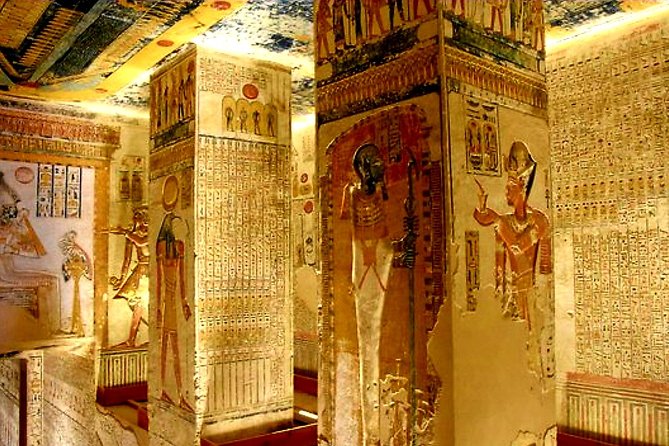
- Ramses III (KV 11) and Ramses IV (KV 2), two tombs with standout wall texts, color, and scenes
- Deir el Bahari and Hatshepsut’s temple, one of Egypt’s most dramatic temple silhouettes
- Karnak Temple complex, including the Avenue of Sphinxes and the Hypostyle Hall with 134 columns
- Private group time, meaning less waiting around and more control over how you spend your moments
The private format that keeps your Luxor day from feeling rushed
Luxor tours can either feel like a checklist, or like a guided story. This one leans hard into the second option. Because it’s a private tour, you’re not dealing with the friction of a big group changing pace every 10 minutes. You get a guide educated in Egyptology, so explanations are built into the stops instead of happening only when you ask.
That matters most at tombs. Tombs are short by design, and the details can blur if you’re left to read everything on your own. A good Egyptologist guide helps you notice what to look for, so even a 20 to 25 minute tomb visit feels like it adds something.
In the real-world feedback behind this tour, the guide is often the reason people loved it. One Egyptologist called out by name is Abdul, described as awesome for bringing the scenes to life. That kind of guide talent is worth prioritizing, because it changes how you experience carved walls, painted ceilings, and ritual texts you might otherwise overlook.
More West Bank and Valley of the Kings visits:
- Hurghada: Luxor Valley of the Kings & Tutankhamun Tomb Trip
★ 4.7 · 13,208 reviews - Luxor: Valley of the Kings and Hatshepsut Temple Day Tour
★ 4.4 · 1,404 reviews - Hurghada: Luxor Tour with Valley of Kings, Karnak & Tut Tomb
★ 4.6 · 1,082 reviews
Queen Nefertari’s tomb: limited access, tight time, big payoff
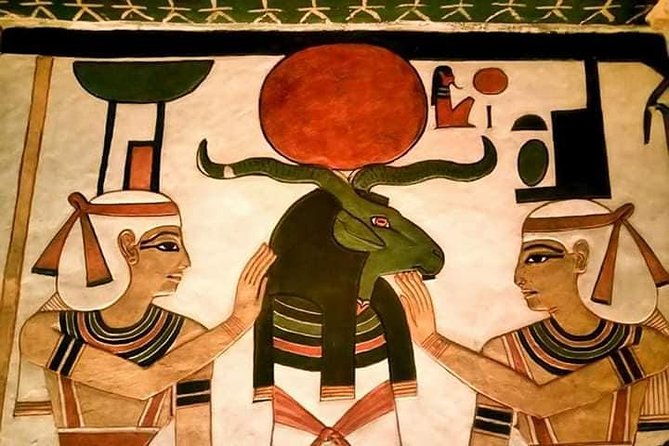
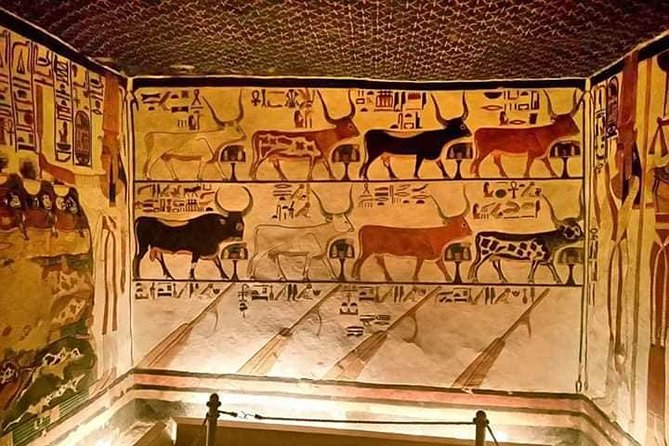
Most visitors come to Luxor hoping for one thing: a tomb nobody else can just stroll into whenever they want. Nefertari’s tomb is that kind of stop. It’s currently open for a limited time and limited visitors only, which means your day can feel like it hinges on timing, in a good way.
Nefertari was the beloved wife of Ramses the Great, and her tomb is famous for the beauty and splendor of its decoration. In practice, what you’ll feel in the moment is different than a normal temple visit: it’s smaller, more focused, and the walls demand attention. The tour keeps your Egyptologist guide with you, so you’re not left standing in silence wondering what you’re looking at.
A very practical detail from feedback: people reported getting more time than the usual short viewing window (around 10 minutes) when the guide was thoughtful about pacing. If Nefertari’s tomb is your top priority, that extra time can be the difference between taking photos and actually reading the story the tomb is telling.
King Tutankhamun in the Valley of the Kings: what to expect when the door opens
After Nefertari, the tour heads into the Valley of the Kings for King Tutankhamun’s tomb. The time inside is listed as about 20 minutes, and that’s exactly the kind of slot where a guide makes the visit work.
Tutankhamun’s story is a magnet because it’s so compressed. He ascended the throne at about age 10 and died young at about 19. That biography sets the tone for what you’ll see in the tomb. The payoff here is straightforward: you get the chance to be face to face with his royal mummy in his tomb.
Now, a small but important reality check. The tomb is not a museum hall. It’s tight, the lighting can be dim, and you’ll be inside an enclosed space. So if you want crisp photos, you need to be ready for that limitation. What you can do, though, is use the guide’s context to look past the obvious and notice the way the space frames the royal identity.
Valley of the Kings highlights beyond King Tut
The tour doesn’t stop at Tut’s tomb. After that first major entrance, you’ll spend about an hour on the broader Valley of the Kings route, with time built in to see other important royal tombs.
One of the specific tomb visits included is Tomb of Merenptah (Tomb 8). This visit is about 25 minutes. The guide context matters here too, because tomb design tells a story. The tomb shows a material decrease in the number of lateral rooms, and corridors and rooms get taller. It also avoids the jogged axis used earlier, opting for an approach built on a single axis. The entrance was also made wider than earlier royal tombs.
A fun detail you might hear: this tomb was discovered by Howard Carter in 1903. Even if Carter’s name is already on your Egypt bingo card, it still helps to hear it connected to the actual tomb layout, not just as a trivia fact.
Other Luxor options on the table
- Luxor Day Trip from Hurghada Small Group & Tutankhamun Tomb
★ 4.8 · 5,366 reviews - Hot Air Balloon Ride in Luxor Egypt with Transfers Included
★ 5.0 · 4,319 reviews - Luxor: Shared Full-Day Tour to Luxor West and East Banks
★ 4.5 · 1,812 reviews - Luxor: Hot Air Balloon Ride over Luxor Relics
★ 4.8 · 1,681 reviews
Ramses III (KV 11) and the Tomb of the Harpers effect
Another key stop is Tomb of Ramses III (KV 11), also about 25 minutes. This is one of those tombs where the walls are not just decorations, they’re the main event.
The tomb is described as a complex system, and the included highlights are specific: colorful painted sunken reliefs with ritual texts like the Litany of Ra and the Book of Gates. You’ll also find scenes of Ramses standing before gods.
What many people find especially interesting here is the presence of more “secular” scenes in the side rooms near the entrance corridor. The tomb includes foreign tributes and items like pottery imported from the Aegean, plus scenes showing royal armor, boats, and blind harpists. Those harpists are why the tomb gets the alternative nickname Tomb of the Harpers.
If you like the Egypt where daily life connects to royal myth, this is a great stop. It makes the afterlife imagery feel less like abstract theology and more like a worldview the state wanted to broadcast.
Deir el Bahari and Hatshepsut’s temple: the view does half the work
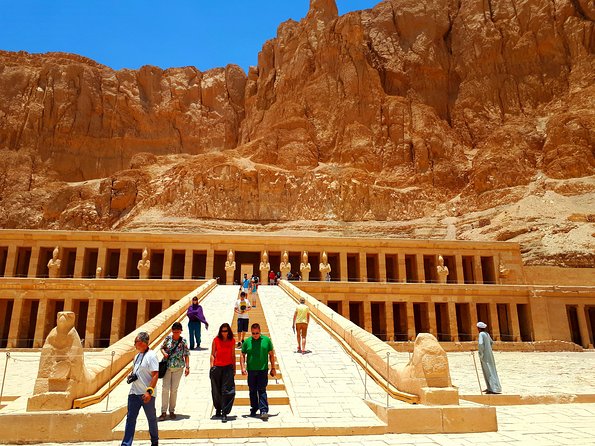
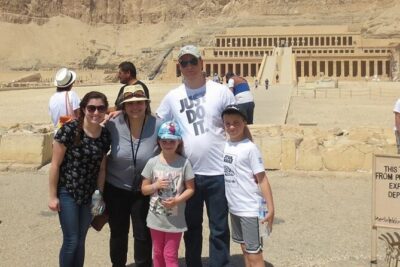
After the tombs, you’ll go to Temple of Hatshepsut at Deir el Bahari, around one hour. Hatshepsut is often remembered in one sentence, and it’s a powerful one: she was the only woman ever to reign over Egypt as Pharaoh.
In this tour, you’ll also get the dynastic connection. Hatshepsut is an ancestor of Tutankhamun, and she belongs to the same dynasty. That makes the whole day feel linked, not just a set of unrelated monuments.
Deir el Bahari has a way of grabbing you even before someone explains it. The structure rises in a way that makes you feel the Egyptians were building theater for the sacred landscape. With an Egyptologist guide, you can then connect the architecture to the religious purpose, and you’re more likely to notice the details rather than just admire the silhouette.
Ramses IX tomb details and what to look for
The tour also includes a visit to the Tomb of Ramses IX. The description you’ll get highlights the strong presence of color and detail. People often assume tombs are gray and worn, but this one is presented as vivid, including the ceiling above the sarcophagi where the goddess Nut stretches across the space.
Some painted elements have deteriorated, but the tomb is still framed as one of the more decorated stops in the itinerary. If you want variety in your day, this is a good “change of texture” between the more famous, heavily publicized tombs.
Colossi of Memnon and a realistic lunch break
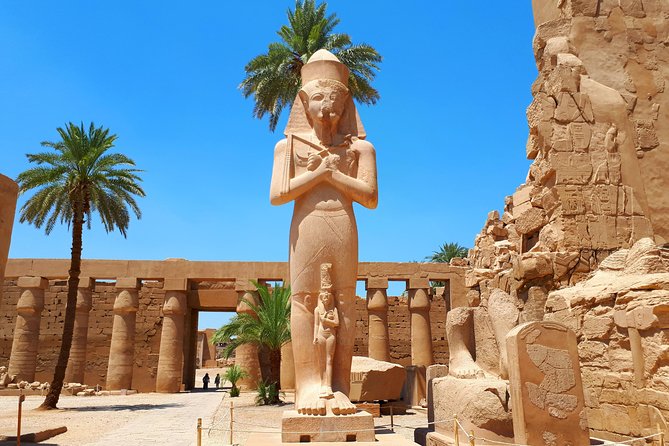
After Hatshepsut’s temple, you’ll see the Colossi of Memnon, around a 10 minute stop. These are described as the two largest ancient statues in Egypt, dating back to the era of Amenhotep III, roughly 1391 to 1353 BC.
Think of the colossi as the day’s breath. You’re shifting from tomb interiors to open-air monuments, and your legs appreciate the switch. The statues also give you scale. They remind you this is not “small, detailed art,” it’s built for monument thinking.
Then comes lunch. You’ll get a break to enjoy lunch in a restaurant with a Nile view on the West Bank. Lunch is included, and there’s a vegetarian option if you request it ahead of time.
That Nile view matters more than you might think. A full day in tombs and temples can leave you mentally tired. A meal with a view helps reset your brain so the afternoon stops feel fresh, not like homework.
Ramses IV (KV 2): the tomb where the blue-and-white color grabs you
After lunch, the tour includes Tomb of Ramses IV (KV 2) for about 25 minutes. This is one of the best tomb descriptions in the whole day because it lists what’s on the walls, not just that it’s impressive.
You’ll see hieroglyphic scenes depicting scenes from multiple funerary texts, including the Litany of Ra, the Book of the Dead, the Book of Caverns, the Book of the Heavens, the Book of Amduat, and the Book of the Night. Inside, the blue and white colors are described as vibrant.
There’s also a specific “look up” moment: the goddess Nut swallowing the sun and giving birth to it. The sarcophagus is described as one of the largest in the valley, made of rose-colored granite.
Even if you’re not a hieroglyph expert, the structure of this tomb makes it easier to enjoy. A guide can point you to the texts and themes so you’re not just scanning for pretty color. You’re seeing a planned afterlife narrative, wall by wall.
Karnak Temple complex: plan for column time
Late in the day, you’ll head to Karnak on the East Bank. Karnak is described as one of the world’s greatest architectural masterpieces, and the itinerary gives you the building blocks you should expect.
Key features you’ll likely encounter include:
- the Avenue of Sphinxes
- the Hypostyle Hall with 134 gigantic columns
- obelisks tied to Queen Hatshepsut and Tutomosis I
- the Temple of Amon, decorated with lotus and papyrus designs
- the Granite Scarbeus of Amenophis III
- the Sacred Lake
The tour includes multiple Karnak segments, including time at the Temple of Amun and time specifically focused on the obelisks. With that layout, you can get more than one perspective. The short segments help you connect parts of the complex, and the longer Karnak block gives you time to step back and understand how the different reigns built on each other.
If tombs are about tight focus, Karnak is about scale. You’ll want comfortable shoes and a willingness to look up a lot.
Ramesseum, Luxor Temple, and Howard Carter House photo-stop energy
The itinerary also includes time labeled for Ramesseum, Luxor Temple, and Howard Carter House. The schedule fragments don’t give full details on how long you’ll stay at each, but the way they’re listed suggests they’re added as part of your day’s mix.
Treat these as opportunity stops, not “read every inscription” stops. If your top priority is the Valley tombs and Karnak, these extra sites can be a nice bonus without turning the day into a sprint.
Price and value: how $65 works when you add the real costs
The tour price is listed as $65.00 per person for about 8 hours, with hotel pickup and drop-off plus lunch. For Luxor, that’s a reasonable rate for a private day that strings together major West Bank tombs, Deir el Bahari, and Karnak.
Here’s the value question you should ask yourself: does your final cost include the entrance fees? The tour info is internally inconsistent, with entrance fees mentioned as both included and not included depending on how each stop is described. The practical advice is simple, confirm your total before you go, especially since multiple tomb tickets can add up.
Even with that caveat, the structure is still good value if:
- you care about a real Egyptologist guide for context
- you want to hit the big sites without self-driving
- you prefer private pacing over a large-group rush
What to watch for on a long Luxor day
This is a high-volume day, even though it’s private. You’ll move between West Bank and East Bank, do multiple tomb entrances, and spend time on one major temple complex.
Two practical tips:
- Use the guide time wisely at tombs. Ask for the one or two themes you should watch for. Then look for them when you step inside.
- Pace your photos. Tomb interiors tend to be dim and time-limited. Photos are optional, understanding is the win.
Also, because Nefertari’s tomb is limited access, it’s worth planning your expectations around that reality. If you’re flexible and focused, this stop can feel like a privilege rather than a checkbox.
Who should book this tour
This is a strong fit if you:
- want a private, guide-led day focused on the big Luxor hits
- care about the meaning behind Egyptian royal tombs, not only their fame
- want Hatshepsut, King Tut, and Karnak without stitching the plan together yourself
- are happy with an 8-hour schedule that includes both tombs and temples
It’s less ideal if you hate walking, dislike tight time windows inside tombs, or want a slow, loungey itinerary.
Should you book it? My straight advice
If Queen Nefertari’s tomb and the Valley of the Kings are on your top list, I think this is the kind of tour you should seriously consider. The limited-access nature of Nefertari’s tomb, plus the structured visits to major royal tombs like Ramses III (KV 11) and Ramses IV (KV 2), gives the day a clear theme: the afterlife, told through royal propaganda and art.
The main reason I’d book is also the most human one. When the guide is strong, like Abdul being praised for turning sites into stories, the whole day clicks. The only reason to pause is the schedule intensity and the entrance-fee question, so confirm your final total and go in with shoes ready and expectations realistic.
FAQ
What time does the tour start?
The tour start time is listed as 8:00 am.
How long is the tour?
The duration is approximately 8 hours.
Is hotel pickup and drop-off included?
Yes, hotel pickup and drop-off are included, and pickup is offered from central Luxor or the harbor.
What does lunch include, and is vegetarian food available?
Lunch is included, and a vegetarian option is available if you advise the provider at the time of booking.
Is this a private tour?
Yes. It’s private, meaning only your group will participate.
Are entrance fees included in the price?
The tour information indicates entrance fees are part of the package, but it also notes entrance fees may not be included at the stop level. Confirm what your final total includes before you go.
Which major sites are covered?
You’ll visit the Tomb of Queen Nefertari, the Tomb of King Tutankhamun, the Valley of the Kings, Tomb of Merenptah, Tomb of Ramses III, Temple of Hatshepsut at Deir el Bahari, Colossi of Memnon, Tomb of Ramses IV, and Karnak Temple, along with additional listed stops such as Ramesseum, Luxor Temple, and Howard Carter House.
Can I add an airport transfer?
Airport transfers can be added for an additional cost, and return transfer is listed as $30.
Newly added near Luxor
- Full-Day Private Guided Tour in the West Bank of Luxor★ 5.0 · 22 reviews
- Amazing 3 nights Nile cruise includes tours from Luxor to Aswan★ 5.0 · 57 reviews
- Hot Air Balloon Flight in Luxor with Pickup★ 4.5 · 14 reviews
- Private transfer from Luxor to Hurghada★ 5.0 · 43 reviews
- Quad Bike safari Experience in Luxor★ 4.5 · 62 reviews
- Private 2 Day Luxor Tour★ 5.0 · 71 reviews
- Private Tour in Luxor Egypt included entrance fees★ 5.0 · 11 reviews
- Private Transfer From Luxor to Marsa Alam★ 5.0 · 28 reviews
Valley of the Kings & West Bank Tours, compared.
Luxor Valley of the Kings & Tutankhamun Tomb Trip
Read our review →
Small group Hurghada to Luxor, Valley of the Kings by Van
Read our review →
Valley of the Kings and Hatshepsut Temple Day Tour
Read our review →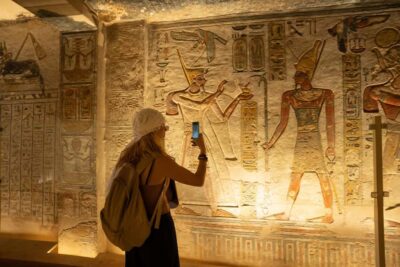
Luxor Tour with Valley of Kings, Karnak & Tut Tomb
Read our review →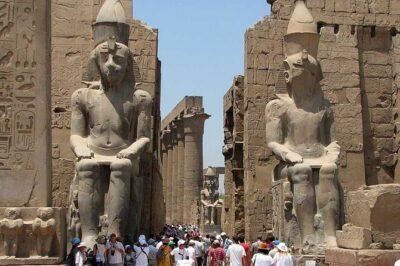
Valley of Kings, Hatchepsut Temple ,Karnak & Luxor-DayTour
Read our review →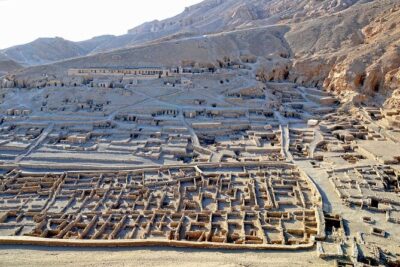
Full Day Tour of Luxor West Bank Temples and Tombs (Private)
Read our review →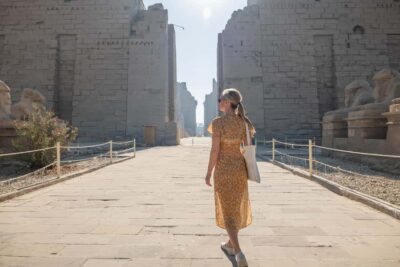
Small Group Excursion to Luxor Valley of the Kings from Hurghada
Read our review →Browse the lists this tour appears in