
Reviewed · PYRAMIDS OF GIZA & SPHINX TOURS
Pyramids tour to Giza, Sakkara and Dahshur
A bent-pyramid day beats the usual circuit. You start with the Step Pyramid at Saqqara, then move to Dahshur’s Knick/Bent Pyramid area, and finish at the big-name trio at Giza, with a guide explaining how pyramid building evolved.
I love that the route tells a clear story, from Djoser’s early stone staircase idea to Snefru’s experiments and then the mature giants at Giza. I also like the practical setup: hotel pickup, group pricing options, and everything from lunch to admission fees handled, so you can focus on the sites, not paperwork.
One thing to consider is the sheer time commitment. This is a 16 to 18 hour day, so you are spending a lot of hours in transit and waiting for entry windows. If you get cranky after long drives, plan to dress comfortably and bring the kind of patience you reserve for airport lines.
In This Review
- Key highlights worth knowing before you go
- The pyramid route that actually makes sense: Saqqara, Dahshur, and Giza
- Price and value: what $232.63 covers in a long day
- Morning start and the 16 to 18 hour reality check
- Saqqara’s Step Pyramid: Djoser, Imhotep, and why it was the first big leap
- Dahshur’s Knick Pyramid: Snefru’s bent mystery and a site once off-limits
- Giza’s Cheops, Chephren, and Mekerinios: your big finale with context, not just crowds
- What the guide adds: from construction methods to star connections
- Lunch, water, and the small comfort wins that keep the day moving
- Getting the most out of the day: what to do before you go
- Who this tour suits best, and who might prefer a different plan
- Should you book this pyramid day?
- FAQ
- What time does the tour start?
- How long is the pyramid tour?
- Is hotel pickup included?
- Are admission tickets included for Saqqara, Dahshur, and Giza?
- Is lunch included?
- Is this tour private?
- Can most people participate?
- Do I need good weather?
- What is the cancellation policy?
Key highlights worth knowing before you go
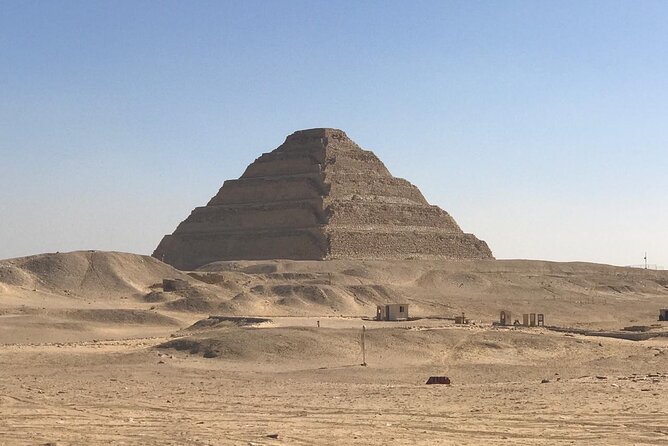
- Saqqara’s Step Pyramid: built for Djoser around 2650 BC, and topped at about 62.5 meters today.
- Dahshur’s Knick Pyramid: Snefru’s big “why is it bent?” experiment, and an area only recently opened to the public after long military restrictions.
- Giza’s finishing stretch: the Cheops, Chephren, and Mekerinios pyramids, plus the classic Seven Wonders status and 4,500+ years of age.
- Hotel pickup plus mobile ticket: easier entry, fewer last-minute steps, and a day that runs on schedule.
- Tickets and fees included: Saqqara, Dahshur, and Giza entry costs are part of the deal.
- Lunch and bottled water included: you are not hunting for food mid-day with a schedule chasing you.
The pyramid route that actually makes sense: Saqqara, Dahshur, and Giza
Most pyramid tours stop at Giza and call it a day. This one feels smarter because it covers the evolution of the idea. You begin at Saqqara with the Step Pyramid, the oldest stone structure on the list. Then you head to Dahshur for the “wait, why is it bent?” moment. Finally, you end at Giza where the scale and precision are at full power.
That order matters. In Saqqara you are seeing an early, experimental form. At Dahshur you see the design being tested in real time, including the famous kink in the building profile. Then Giza lands like the grand finale, with the three major pyramids that most people picture the second they hear the word Egypt.
It also helps that the day is built around more than photos. Your guide is set up to explain building techniques, the placement logic of the pyramid fields, and even the connection between the pyramids and astronomical constellations. If you like “how did they do it?” questions, this kind of framing turns the monuments into a story you can follow.
More Giza pyramid visits:
- Hurghada: Cairo Pyramids, Sphinx & Egyptian Museum Day Trip
★ 4.7 · 2,271 reviews - Discover Cairo: Pyramids, Museum & Sphinx Tour from Hurghada
★ 4.9 · 707 reviews - Hurghada: Grand Egyptian Museum, Pyramids & Sphinx Day Tour
★ 4.3 · 696 reviews
Price and value: what $232.63 covers in a long day
At $232.63 per person, the value really comes down to what is included. This day includes lunch, bottled water, all fees and taxes, and admission tickets for the three main stops. For a full pyramid day, that matters because entrance fees can quietly balloon, and food costs add up when you are stuck between sites.
You also get pickup offered and a private setup for your group (not a mixed public scramble). And the mobile ticket feature means you are not stuck with paper confirmations in the heat.
Is it cheap? No. But for a 16 to 18 hour day that hits three major pyramid areas with tickets and fees handled, it is priced like a proper “see a lot with less stress” experience, not like a bare-bones shuttle.
Morning start and the 16 to 18 hour reality check
The tour is scheduled to start at 8:00 am, which is early enough that you will feel the day stretch fast. Plan your morning like you are going on a serious outing, not a casual walk. You will be moving between sites in a long day with multiple entry moments.
What I like about the way this kind of day is structured is that it is built for order. The sequence is fixed: Saqqara first, then Dahshur, then Giza. That means you are not waiting around to decide. Your time is used for the big monuments, plus the guide’s explanations.
The main downside is fatigue. By afternoon or late day, you will likely want fewer photo stops and more breathing room. If you are traveling with kids, long drives can be tough. The good news is that the experience has shown flexibility for families, with guides described as especially accommodating with children and willing to work at the pace that keeps everyone calm.
Saqqara’s Step Pyramid: Djoser, Imhotep, and why it was the first big leap
Saqqara is where the pyramid story begins in a very literal way. You visit the Step Pyramid, a staircase-style design commissioned for King Djoser. The architect Imhotep is credited with the project, dated to about 2650 BC. Today, the pyramid stands around 62.5 meters.
What makes Saqqara special is how clearly you can see the idea evolving. The Step Pyramid is described as a tomb shaped like a staircase to heaven. It is also noted as the only one of the pyramids in the set that does not have a square floor plan. That one detail alone is a clue that this was still in the experimentation phase.
Your guide’s job here is to connect the dots. You learn why the term step pyramid fits the form, why Djoser’s Sufen pyramid counts as the first attempt to build a pyramid, and what it likely took in terms of planning and stone work to turn the concept into a monumental build. If you enjoy “building logic,” this stop gives you enough background to understand what you are looking at.
Practical tip: Saqqara is a site where you can easily focus on the main structure and miss the surrounding layout. If your guide talks about placement and techniques, keep listening, because those remarks help you read the site as more than one photo angle.
More Saqqara and Memphis trips:
- VIP All inclusive Best of the best Giza Pyramids,Sakkara,Memphis
★ 5.0 · 3,164 reviews - From Cairo: Pyramids of Giza, Sphinx, Saqqara & Memphis Tour
★ 4.7 · 3,110 reviews - Cairo: Pyramids, Sakkara & Memphis Tour with Lunch
★ 4.6 · 2,493 reviews - Private Day Tour Giza Pyramids, Sphinx, Memphis, and Saqqara
★ 4.5 · 904 reviews
Dahshur’s Knick Pyramid: Snefru’s bent mystery and a site once off-limits
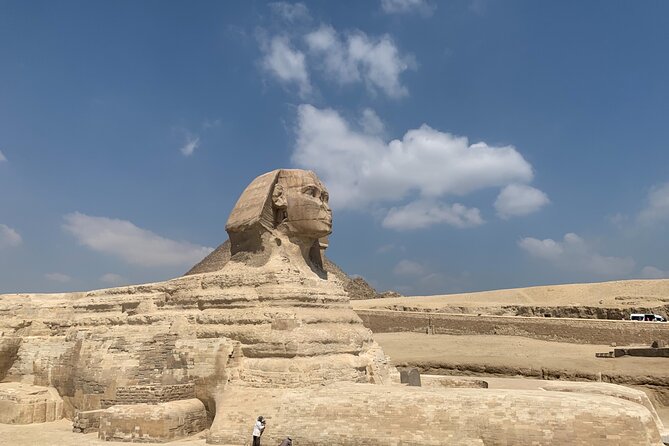
Then you head to Dahshur, the place most people skip if they are only chasing the best-known names. That is exactly why it feels good to include it. You visit the Knick Pyramid, linked to King Snefru’s era.
Here’s the big story point: Dahshur is tied to the question of why Snefru had a bent pyramid built. The tour frames it as the second attempt to build a real pyramid in the local area. It is also positioned as the third highest pyramid in Egypt, which helps set expectations, because this is not small or minor.
Even better, Dahshur’s relative obscurity is part of the appeal. The pyramids in this area were in a military restricted zone for a long time. They were only opened to the public in the mid-1990s, and because of that, the site is still described as more of an insider tip compared to the classic Giza circuit.
What to watch for: you are going to see the “kink” phenomenon up close in the architecture. But the more interesting part is the context around it. Your guide is there to explain building techniques and how the builders solved problems in real time. If the day has a theme, it is that early pyramid building was not one straight road to perfection. It was a series of attempts that got better, faster, and more confident.
Giza’s Cheops, Chephren, and Mekerinios: your big finale with context, not just crowds
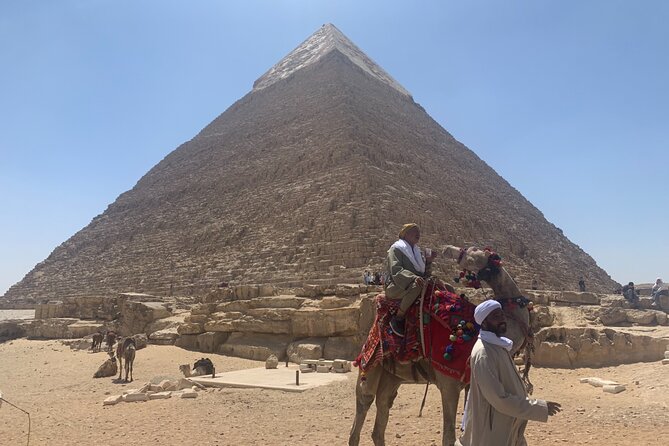
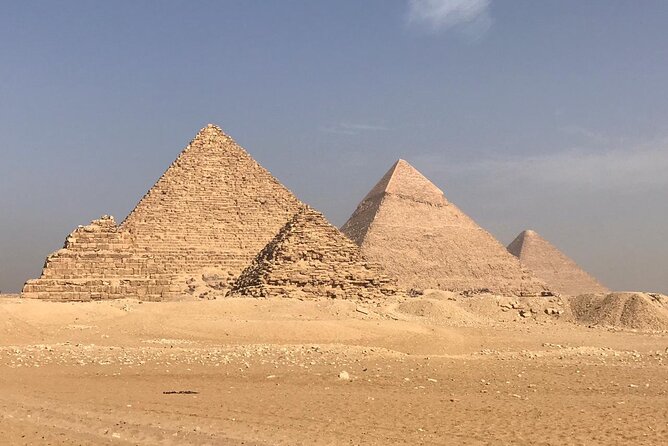
Giza is the main event, no question. You visit the pyramids of Cheops, Chephren, and Mekerinios, and you get the classic framing: they are among the Seven Wonders of the ancient world, and they are over 4,500 years old.
The most useful thing Giza offers on a tour like this is perspective. By the time you arrive, you have already seen the earlier forms at Saqqara and the experimental bent design at Dahshur. That means the “big three” feel less random. You can see why people called them a pinnacle of Egyptian high culture along the Nile, and you can better appreciate the jump in scale and refinement.
In a day like this, the Giza timing is crucial because it is easy to spend the entire stop inside the whirlwind of quick photos. With a guide focused on building techniques, layout relationships, and even links to astronomical constellations, you are more likely to actually understand what you are seeing rather than just collecting images.
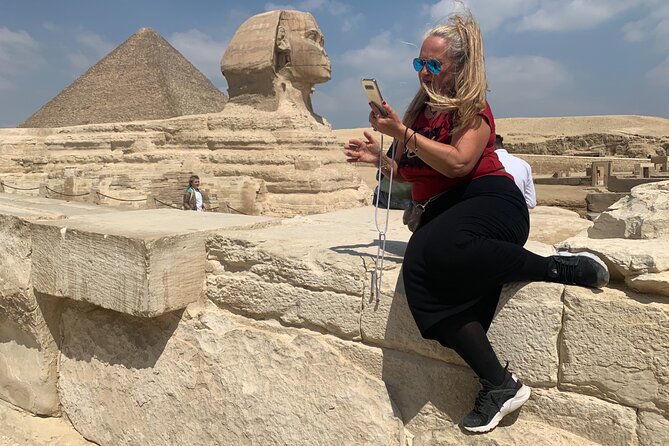
If you like iconic symbols, this is also where the classic add-ons often happen. Some versions of pyramid days include the Sphinx area as part of the overall Giza experience. If it is important to you, ask your guide if there is time for it during your route.
What the guide adds: from construction methods to star connections
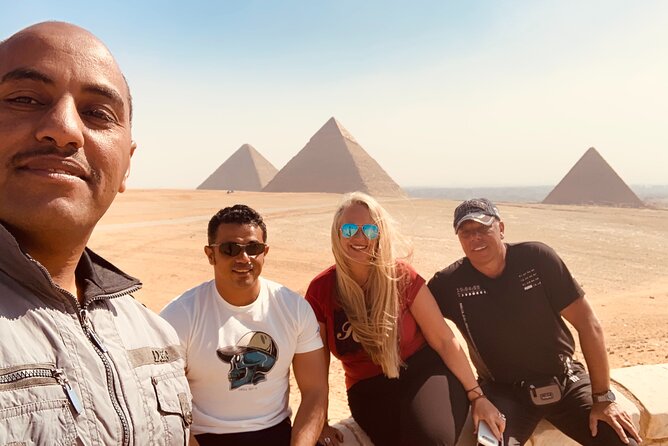
The itinerary is not just “drive and look.” The plan is built around facts and explanations: how pyramid building developed over time, the building techniques Egyptian builders may have used, the relationship between the pyramid locations and astronomical constellations, and the enduring enigmas around these monuments.
This is where private or small-group touring makes a big difference. If you are the type who asks why things look the way they do, a guide can connect architectural choices to what the builders were trying to achieve.
Also, the people you might be working with can matter. In the feedback, guides were repeatedly praised for deep background knowledge and the ability to explain things clearly, including German-speaking specialists like Markus and Aladin. Drivers were mentioned by name too, like Akram, Khalid, and Osman, often described as professional and safe.
Even if your guide is someone new to you, the pattern is consistent: you are not left alone at the monuments with a map. You get a real person translating the stonework into meaning.
Lunch, water, and the small comfort wins that keep the day moving
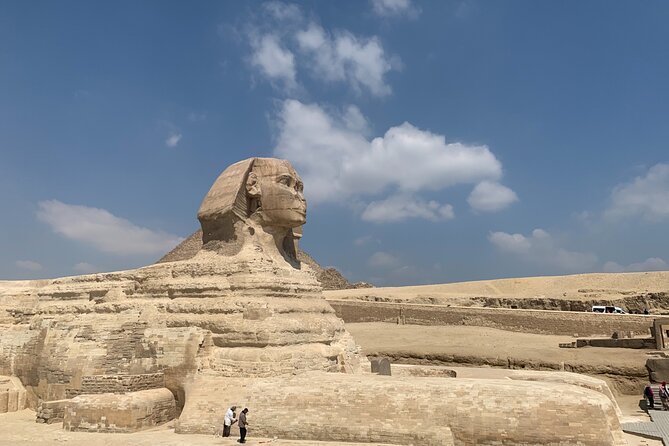
This day includes lunch and bottled water, plus all fees and taxes. Those details sound basic, but on a long day across multiple major sites, they can be the difference between a fun day and a stressed one.
Because the tour includes the main admissions, you are not wasting time dealing with ticket lines. And with the mobile ticket feature, you do less scrambling for confirmations.
One more comfort point: the private group format means you are not stuck with a coach pace. In the feedback, the private setup was praised for feeling relaxed, with a guide willing to adjust to family needs, including when kids were part of the group.
Getting the most out of the day: what to do before you go
You cannot control the heat or the time in the car. You can control your readiness. For a 16 to 18 hour pyramid day, I suggest you:
- Wear comfortable walking shoes. You will be on uneven ground.
- Bring sun protection, even though water is included.
- Dress in light layers. Morning can feel different than late afternoon in Egypt.
- Keep your questions handy. The guide is there to explain the building logic, not just point at walls.
- Pace yourself at each stop. With three major sites, you do not need to try to absorb everything in one hour.
If you are traveling with children, this route can work nicely because the sequence is structured and guides in this experience are described as accommodating. Still, manage expectations about long driving hours and keep activities simple: a quick landmark moment, a short explanation, then a break.
Who this tour suits best, and who might prefer a different plan
This tour is a great fit if you want the full pyramid arc: early experiment (Saqqara), major design test (Dahshur), and the famous scale (Giza). It is also a good choice if you like guided explanations, especially about construction techniques and the logic behind where monuments were built.
It may be less ideal if you hate long days and long drives. The experience asks for endurance. If your goal is a quick, low-effort Giza visit, you might prefer a shorter, single-area outing.
For families, it can work well because the service has a track record of adjusting to kids and keeping the day comfortable.
Should you book this pyramid day?
Book it if you want more than a checklist. This route gives you the pyramid timeline instead of just the postcard view. The combination of tickets and fees included, lunch and bottled water, and hotel pickup helps you spend the day at the sites, not on logistics.
Hold off if you are sensitive to long travel time. With a 16 to 18 hour schedule, the day is best for people who can handle a big, structured outing.
If you are torn, ask yourself this: do you want to understand pyramids, or just see them? If the first answer is yes, this is a strong choice.
FAQ
What time does the tour start?
The tour start time is listed as 8:00 am.
How long is the pyramid tour?
The duration is approximately 16 to 18 hours.
Is hotel pickup included?
Yes, pickup is offered, with pickup from your hotel mentioned.
Are admission tickets included for Saqqara, Dahshur, and Giza?
Yes. Admission ticket inclusion is listed for the Step Pyramid at Saqqara, the pyramids of Dahshur, and the Pyramids of Giza.
Is lunch included?
Yes, lunch is included. Bottled water is also included.
Is this tour private?
The experience is described as private, meaning only your group participates.
Can most people participate?
The additional info says most travelers can participate.
Do I need good weather?
The experience requires good weather. If it is canceled due to poor weather, you are offered a different date or a full refund.
What is the cancellation policy?
Free cancellation is offered. You can cancel up to 24 hours in advance of the start time for a full refund. If you cancel less than 24 hours before the experience starts, the amount paid is not refunded.
Newly added near Hurghada
- Day Trip to Luxor Highlights from Safaga Port★ 4.5 · 37 reviews
- Turtles Bay, Swimming with Turtles Hurghada & Marsa ALam★ 5.0 · 67 reviews
- Day Trip To Luxor From Soma Bay★ 5.0 · 16 reviews
- 2 Day Trips to Luxor Highlights from Safaga Port★ 5.0 · 78 reviews
- Luxor Day Tour from Safaga Port★ 4.5 · 14 reviews
- Luxor day tour from El Quseir★ 4.5 · 10 reviews
- Luxor Day Tour From Safaga Port★ 5.0 · 30 reviews
- Hurghada to Luxor: Private Transfer & Dendara optional★ 5.0 · 27 reviews
Pyramids of Giza & Sphinx Tours, compared.
Pyramids & Great Sphinx Private Tour with Camel Ride
Read our review →
Tour to Giza Pyramids and The Egyptian Museum
Read our review →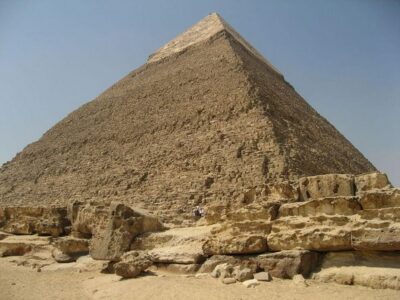
VIP All inclusive Best of the best Giza Pyramids,Sakkara,Memphis
Read our review →
Pyramids of Giza, Sphinx, Saqqara & Memphis Tour
Read our review →
Cairo 8 Hour Private Tour of Pyramids, Egyptian Museum and Bazaar
Read our review →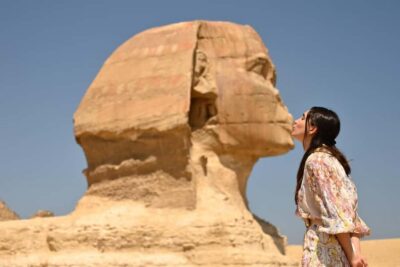
Half-Day Tour to Pyramids of Giza and the Sphinx
Read our review →
Private ViP all-inclusive Giza Pyramids,Sphinx,Inside Pyramid
Read our review →Browse the lists this tour appears in