
Reviewed · LUXOR DAY TRIPS FROM THE RED SEA
Top Day Tour To Luxor From Aswan
Luxor in one day, done the smart way. This guided Aswan to Luxor trip strings together both sides of the Nile, so you can see the big-name Thebes sites without planning your own day (or guessing your way between temples). You’ll go from the West Bank burial world to the East Bank worship core, with a qualified Egyptologist guide guiding the story.
What I like most is the way the tour turns each stop into a clear chapter. You get hotel pickup and drop-off, entrance fees for the main sights, and even bottled water, which matters when the day runs long. Guides have also been praised for being easy to work with and attentive, including family photo help from guides like Mohamed Hashimi.
The main consideration is timing and pace. The day runs about 13 hours, and it’s a long driving stretch between Aswan and Luxor, so plan for heat, walking inside temple areas, and a schedule that doesn’t leave much slack.
In This Review
- Key things that make this Aswan to Luxor day tour work
- The Aswan to Luxor drive, and why the timing matters
- Valley of the Kings: how to make the most of 2 hours
- Deir el-Bahari and the Temple of Hatshepsut: the female pharaoh’s stage
- Colossi of Memnon: two statues, plus Roman-era inscriptions
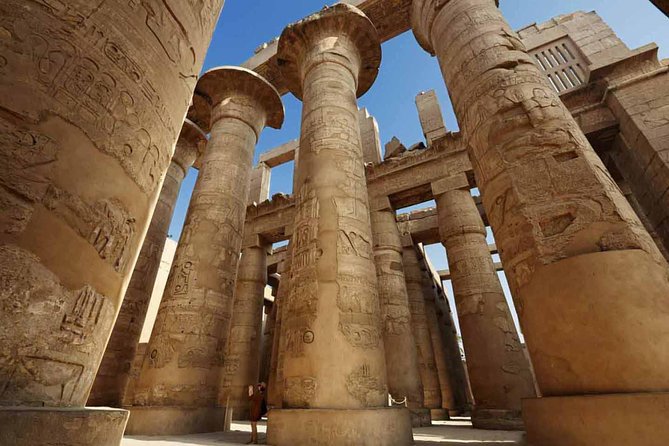
- Karnak Temple Complex: when one site feels endless
- Luxor Temple at the end: kingship, not just gods
- Price and value: what $140 is buying you
- The guides and service quality: what you can realistically expect
- Who this tour suits best, and who should be cautious
- Should you book this Aswan to Luxor day trip?
- FAQ
- How long is the Aswan to Luxor day trip?
- What is included in the tour price?
- Is lunch included?
- How do transfers work between Aswan and Luxor?
- Are tickets included for the attractions?
- Is this a private tour?
Key things that make this Aswan to Luxor day tour work
- Both Nile banks in one outing, West Bank tombs plus East Bank Karnak and Luxor Temple
- Egyptologist-led storytelling, with guides described as adaptable and photo-friendly (names like Ayman, Ashraf, Ahmed, and Ghada Khalaf show up in feedback)
- Entrance fees included for the listed sites, plus bottled water and hotel pickup/drop-off
- Major icons without stress, Valley of the Kings, Temple of Hatshepsut, Colossi of Memnon, Karnak, Luxor Temple
- Private A/C vehicle transfer over the 280 km route between Aswan and Luxor
- Mobile ticket and group discounts, helpful if you like keeping things simple
The Aswan to Luxor drive, and why the timing matters
This is set up as a full-on day trip that starts with pickup from your hotel or Nile cruise in Aswan. You ride a private A/C vehicle north toward Luxor, covering roughly 280 km. The schedule is built to get you into the sights after the drive, then finish with a return to your accommodation area.
Why that matters for your comfort: this kind of itinerary is only enjoyable if you accept that you’re trading free time for concentration. If you want a slow museum day, this may feel packed. If you want to hit the essentials with a guide who keeps the story moving, this is a strong format.
From reviews, one theme is that the driver timing and the guide handoff make a difference. People specifically called out punctual pickup and smooth handling from drivers like Chico, and guides like Ahmed taking good pictures. That’s the kind of practical service that keeps a long day from turning chaotic.
More Luxor days from the coast:
- 4-Days Nile Cruise From Aswan To Luxor including Abu Simbel and Hot Air Balloon
★ 5.0 · 3,142 reviews - 4-Day 3-Night Nile Cruise from Aswan to Luxor&Abu Simbel+Balloon
★ 5.0 · 2,023 reviews - 4-Day 3-Night Nile Cruise from Aswan to Luxor including Abu Simbel, Air Balloon
★ 4.5 · 612 reviews
Valley of the Kings: how to make the most of 2 hours
Your day begins on the West Bank at the Valley of the Kings. You get about 2 hours here, with an admission ticket included for the site. This is the burial valley of pharaohs of what’s often called Theban power, and it’s where you’ll see tombs linked with names like Tutmosis I, Tutmosis III, Tutankhamun, Ramses VI, Merenptah, and Amenhotep II.
What you’ll feel at this stop is the scale of ambition. Even when you’re not going deep into every tomb, the valley setting explains why the Egyptians treated this landscape as sacred geography. A good guide also helps you connect what you see on ceilings and walls to the beliefs behind the burials, not just the artwork style.
The practical drawback: 2 hours goes fast in a valley like this. You’ll likely spend part of the time moving between tombs, reading what you can, and keeping track of what’s next in the route. My advice is simple, go in with a mental shortlist and don’t try to see everything with zero patience. Let your guide steer you to the most meaningful choices in your time window.
Deir el-Bahari and the Temple of Hatshepsut: the female pharaoh’s stage
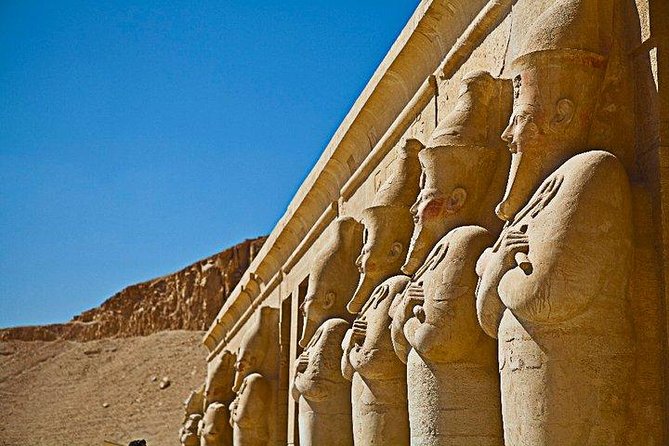
Next is the Temple of Queen Hatshepsut at Deir el Bahari. You get another 2 hours here, with admission included. This is the famous cliff-cut complex built by Hatshepsut, the only pharaonic woman mentioned in the provided details, who ruled for about 20 years in the 18th Dynasty (roughly 1490-1469 B.C.).
This stop is special because it’s not just a temple, it’s a message carved into the terrain. The setting helps you understand why Hatshepsut wanted this to feel permanent, visible, and powerful. When a guide explains who she was and where she fits in the dynasty story, the walls feel less like random ruins and more like political theater.
A small reality check: the temple areas involve walking and stair-like sections, so wear comfortable shoes. The day can get warm depending on season, and temple shade can be intermittent. Pace yourself and take breaks between viewpoints. If your guide is strong on timing, you’ll get multiple angles without feeling rushed.
Colossi of Memnon: two statues, plus Roman-era inscriptions
Then you move to the Colossi of Memnon, with about 30 minutes allocated and admission included. These are two massive stone statues of Pharaoh Amenhotep III, standing in front of the ruined mortuary temple. They have been standing since around 1350 B.C., and the details provided also mention Greek and Roman attention, plus inscriptions in Greek and Latin from the Roman era (dated roughly AD 20 to 250).
What’s great here is the layered story. One moment you’re looking at an ancient Egyptian monumental project, and the next you’re hearing how later visitors tied mythology to the statues. The mention of the name Memnon, and how identification debates are linked to the broader Memnonium idea, is exactly the kind of cross-era detail that makes this stop more than a quick photo stop.
The drawback is time. Thirty minutes is enough for a solid look, but not for slow lingering if you’re a super-detail person. Go for your best angles first, then use the guide explanation as your “second pass,” so you leave understanding what you were actually seeing.
Other Aswan options on the table
- From Aswan: Abu Simbel Temple Day Trip with Hotel Pickup
★ 4.4 · 2,807 reviews - From Aswan: 3-Day Cruise to Luxor with Hot Air Balloon
★ 4.3 · 598 reviews - From Aswan: 4-Day Nile Cruise from Aswan to Luxor with Guide
★ 4.1 · 593 reviews - 4-Days Nile Cruise From Aswan To Luxor including Abu Simbel and Hot Air Balloon
★ 4.5 · 509 reviews
Karnak Temple Complex: when one site feels endless
After the West Bank sites, the tour shifts to the East Bank with Karnak Temple Complex. You’re allotted about 1 hour, and admission is included. Karnak is a sprawling temple complex with layers of construction, starting in the reign of Senusret I in the Middle Kingdom, then continuing through the New Kingdom and later periods, including the Ptolemaic Kingdom.
Why Karnak is such a centerpiece in Luxor: it was the main worship place of the Theban triad in the 18th Dynasty, with Amun as the head deity. The provided details also call out the UNESCO World Heritage connection for the monumental city of Thebes, so you’re walking through an area that has been recognized as globally significant.
The biggest practical challenge is focus. Karnak can feel like a maze of pylons, halls, chapels, and details. An efficient guide helps you avoid the classic problem of seeing everything vaguely. You’ll get more enjoyment if you choose a route: one main area first, then use your remaining time for a second angle and a few standout reliefs rather than trying to cover the whole complex.
Luxor Temple at the end: kingship, not just gods
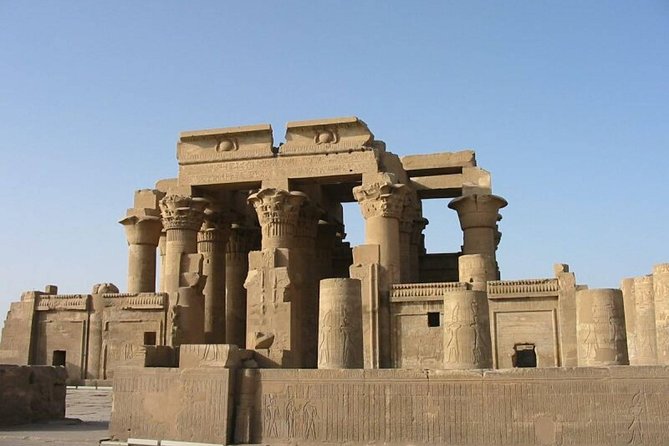
The final major stop is Luxor Temple, with about 1 hour and admission included. Luxor Temple is an Ancient Egyptian temple complex on the east bank, built around 1400 B.C., and described here with the Egyptian name ipet resyt, the southern sanctuary. It’s one of the two primary east bank temples, with Karnak being the other.
A key difference from many other Thebes temples is the dedication. Instead of being dedicated to a specific cult god, the details here say it focuses on the rejuvenation of kingship. That’s a useful framing because it changes how you interpret the space. You’re seeing a temple that connects power, legitimacy, and renewal, not only everyday worship.
In terms of mood, ending at Luxor Temple can feel satisfying because it’s closer to the modern city fabric. You’ll also appreciate how the East Bank theme closes the loop after the West Bank burial focus. If your guide is good with pacing, this stop becomes a clean wrap-up, not just another entry on a checklist.
Price and value: what $140 is buying you
At $140 per person, this tour can feel like a deal if you add up what’s included. You get hotel pickup and drop-off, a private A/C vehicle transfer between Aswan and Luxor, an Egyptologist guide, bottled water, and entrance fees to the listed sites. That’s five major locations you’d otherwise have to arrange with separate guides, transport, and tickets.
Lunch is marked optional, so you’re not locked into one set restaurant, but you should plan to budget time and money for food. Tipping also isn’t included, so keep some cash or small change on hand for guide and driver, especially since this is a private tour format where personal service matters.
One more detail that affects value: the entry fees are described as including basic area only. That means the included tickets cover the main access for the mentioned places, but if there are extra ticketed areas or add-ons at a specific site, those would not automatically be part of the price.
Overall, if your goal is to see the signature Thebes sights efficiently with expert context, the package makes sense for the cost. If your goal is total freedom to linger, this price may feel steep because the schedule is fixed and time is shared across multiple sites.
The guides and service quality: what you can realistically expect
The tour is run by Emo Tours Egypt, and the experience is described as private, meaning only your group participates. In practice, that usually means fewer delays from other group dynamics and more consistent attention from your guide.
The reviews you provided highlight strong service patterns. Guides like Mohamed Hashimi have been praised for taking care of details and helping with family pictures. Ayman and Ahmed are described as highly engaged with detailed history explanations, plus photo support. Ashraf and Ghada Khalaf show up in feedback for being effective with pacing, humor, and adapting to needs like language switching.
Driver quality also seems to be a focus. One review explicitly mentions a professional driver who was punctual, with another calling out Chico as on time and Ahmed as excellent for photos. If you’re the type who gets irritated by late arrivals, that’s worth paying attention to.
My practical advice: on a long temple day, your guide’s efficiency matters as much as their script. Ask questions early, confirm your meeting time after each stop, and use the guide for speed. You’ll get more out of the same two hours if the route is managed well.
Who this tour suits best, and who should be cautious
This is a strong fit for you if:
- You want a one-day Aswan to Luxor plan that covers West Bank and East Bank highlights
- You like structured visiting, where a guide helps you connect sights to meaning
- You’re traveling with family or a small group that benefits from pickup and drop-off
- You prefer not to juggle transport, tickets, and site timing yourself
It may be less ideal if:
- You hate long driving days, because this runs about 13 hours
- You’re very slow-paced and need lots of breathing room between stops
- You’re hoping for long stays inside specific tombs beyond what 2 hours allows
Also, if you’re picky about food timing, remember lunch is optional. You’ll want to plan ahead so your day doesn’t feel like a hunger marathon.
Should you book this Aswan to Luxor day trip?
Book it if you want the biggest Luxor highlights in one guided shot: Valley of the Kings, Hatshepsut at Deir el Bahari, the Colossi of Memnon, then Karnak and Luxor Temple on the East Bank. The combination of entrance fees included, hotel pickup and drop-off, and an Egyptologist guide makes the value feel practical, especially if you’re short on time in Egypt.
Skip or choose a different plan if you know you struggle with packed schedules. With five key areas and only a few hours per major stop, you’re trading flexibility for momentum. This tour rewards you if you’re okay staying on track and letting the guide keep the story moving.
If you book, do one thing that pays off: decide what you care about most before you go. Tombs, royal power, temple architecture, or inscriptions. Then you’ll get more meaning out of every hour you’re there, not just more photos.
FAQ
How long is the Aswan to Luxor day trip?
The duration is listed as approximately 13 hours.
What is included in the tour price?
Entrance fees to the mentioned historical places, hotel pickup and drop-off, a private tour, a professional Egyptologist guide, and bottled water are included.
Is lunch included?
Lunch at a local restaurant is listed as optional, so you should plan for it separately.
How do transfers work between Aswan and Luxor?
You’ll be picked up from your hotel or Nile cruise in Aswan and transferred by private A/C vehicle toward Luxor, with a return transfer afterward.
Are tickets included for the attractions?
Yes, admission tickets are included for the listed stops, and the entry fees are described as including basic area only.
Is this a private tour?
Yes, it’s described as a private tour/activity, meaning only your group participates.
Newly added near Aswan
- Sailing Nile Cruise from Aswan to Luxor for 2 Nights★ 4.5 · 139 reviews
- Private Tour in Aswan : Felucca and Nubian village★ 5.0 · 29 reviews
- Philae Temple and Aswan High-Dam Half-day tour★ 5.0 · 49 reviews
- 4-Days Aswan sails Nile Cruise Luxor &Abu Simbel.Hot air Balloon★ 4.5 · 77 reviews
- Abu Simbel Private Full-Day Tour from Aswan★ 5.0 · 114 reviews
- (3-Nights Cruise From Aswan To Luxor & Balloon, Abu Simbel)★ 4.5 · 23 reviews
- Day Tour to Abu Simbel from Aswan by Bus★ 4.5 · 25 reviews
- Private Transfer from Aswan to Luxor★ 5.0 · 11 reviews
Luxor Day Trips from the Red Sea, compared.
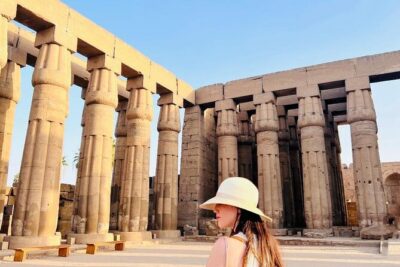
4-Days Nile Cruise From Aswan To Luxor including Abu Simbel and Hot Air Balloon
Read our review →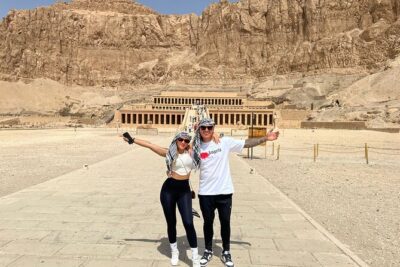
Small group Hurghada to Luxor, Valley of the Kings by Van
Read our review →
4-Day 3-Night Nile Cruise from Aswan to Luxor&Abu Simbel+Balloon
Read our review →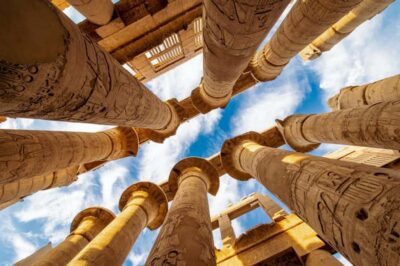
Shared Full-Day Tour to Luxor West and East Banks
Read our review →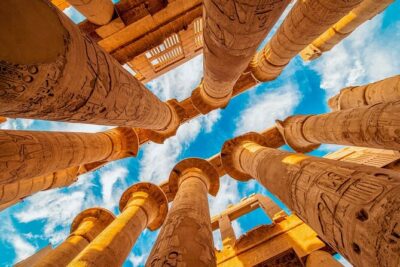
Full Day Tour to Luxor West and East Banks & Lunch
Read our review →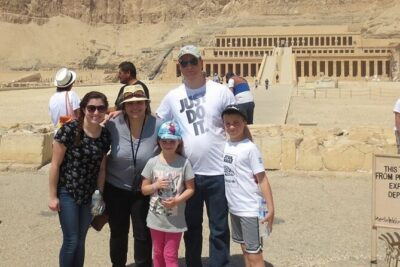
Small Group Excursion to Luxor Valley of the Kings from Hurghada
Read our review →
4-Day 3-Night Nile Cruise from Aswan to Luxor including Abu Simbel, Air Balloon
Read our review →
Browse the lists this tour appears in