
Reviewed · VALLEY OF THE KINGS & WEST BANK TOURS
Tour to The East & West Bank of the Nile
Luxor can feel like a nonstop march of temples and tombs. This private East and West Bank day turns that motion into a clear plan, with a dedicated Egyptologist and included entry fees for the big names. You bounce from the West Bank tombs, to Deir el Bahari, then across to Karnak and Luxor Temple, all with private door-to-door transfers from your ship or hotel.
I like that the day is generously packaged. Entrance fees for every stop are included, plus lunch at a good quality restaurant and bottled water on board the vehicle. That means fewer surprises, less queue stress, and more time for what you came for.
One consideration: this is a tight, high-impact day. With about 8 hours total and multiple major sites, you’ll want comfortable shoes and a relaxed attitude, because you are going to see a lot, fast.
In This Review
- Key highlights worth planning for
- What you get for $169 in Luxor
- The East and West Bank flow that makes the day work
- Valley of the Kings: why a dry gorge turns into a big story
- Deir el Bahari and Hatshepsut Temple: the power of symmetry
- Colossi of Memnon: the 60-foot giants and the sunrise legend
- Karnak Temple: where Thebes flexed its religious muscle
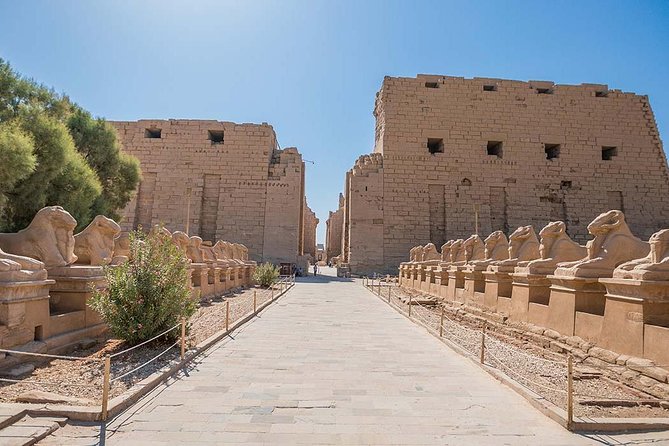
- Luxor Temple and the Avenue of Ram-Headed Sphinxes
- Guide time: how a strong Egyptologist changes the whole day
- Lunch, water, and the real reason you’ll enjoy this more
- Price and logistics: when this private day is a smart move
- Who should book this East and West Bank day?
- Should you book this tour?
- FAQ
- Is pickup from my hotel included?
- Is this tour private?
- What does the entrance ticket cover?
- Is lunch included?
- Do I get bottled water during the tour?
- Is a mobile ticket provided?
- Do I need to tip?
- FAQ
- What if weather is poor?
Key highlights worth planning for
- Private Egyptologist so the story fits your group, not a crowd schedule
- Entrance fees and lunch included, so your $169 goes further than a bare-bones tour
- East and West Bank in one day, a rare hit list that still feels structured
- Valley of the Kings + Hatshepsut Temple, two of Luxor’s strongest visual and historical stops
- Karnak and Luxor Temple together, so you see the sacred center and its everyday counterpart
- Pickup from ship or hotel, which is a big deal in Luxor timing
What you get for $169 in Luxor
At $169 per person, the value here comes from the way the tour is built. You are not paying extra for entrance after entrance, and you get a full lunch stop that is included rather than an afterthought. In Luxor, the price of doing it piecemeal can climb quickly once tickets, entry lines, and separate guides start stacking up.
You also get private, air-conditioned vehicle transfers for the whole loop. That matters because the East Bank and West Bank sit on opposite sides of the Nile, and Luxor traffic and walking can add up. With door-to-door pickup and return, you spend less time figuring out logistics and more time looking at stone that is thousands of years old.
And because it is private, your Egyptologist can pace the day around your group, whether you’re a photo-first crew or you want the meaning behind what you’re seeing.
More West Bank and Valley of the Kings visits:
- Hurghada: Luxor Valley of the Kings & Tutankhamun Tomb Trip
★ 4.7 · 13,208 reviews - Luxor: Valley of the Kings and Hatshepsut Temple Day Tour
★ 4.4 · 1,404 reviews - Hurghada: Luxor Tour with Valley of Kings, Karnak & Tut Tomb
★ 4.6 · 1,082 reviews
The East and West Bank flow that makes the day work
This itinerary is designed like a ladder. You start with the West Bank, where you’ll learn how the pharaohs were buried and how power was staged for eternity. Then you move east to Karnak and Luxor Temple, where you see the religious and political machinery of Thebes in full swing.
The stop order is practical too. The Valley of the Kings and Deir el Bahari are both West Bank must-dos, and the Colossi of Memnon is a quick hit that breaks up the pacing without feeling like a filler stop. After that, you switch sides of the Nile and end in the Luxor Temple area, where the setting helps you mentally connect ancient Thebes to the modern city.
Expect about 2 hours at the Valley of the Kings, then 1 hour for Hatshepsut, 15 minutes for the Colossi of Memnon, 2 hours at Karnak, and 1 hour at Luxor Temple, with driving and transitions making up the rest of your 8-hour day.
Valley of the Kings: why a dry gorge turns into a big story
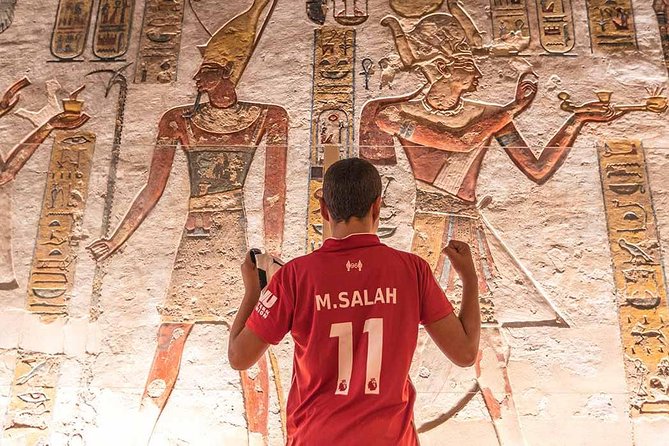
The Valley of the Kings is one of those places that can fool you at first glance. From the outside, it looks like a sun-blasted red rock cut in the landscape. Then you step inside the system of tombs and realize this was burial ground for 63 important pharaohs, used for nearly 500 years.
What I love here is the contrast between the raw desert outside and the idea of highly guarded underground worlds below. Your Egyptologist can help you connect the dots from the tombs to the beliefs and the timeline, so you’re not just walking past doors.
You also get the chance to understand the famous discovery story associated with Tutankhamun. The Valley is tied to Howard Carter’s excavation work starting in 1922, and that connection gives the site extra gravity. If you’re the type who likes context, this stop is where it clicks.
Practical note: tomb sites are active, not museum-still. There’s dust, heat, and uneven surfaces. Comfortable shoes matter more than you think.
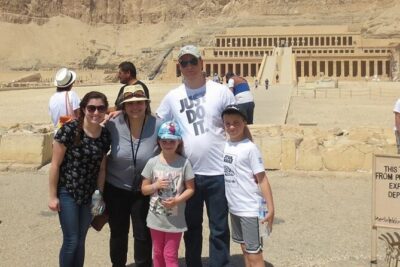
Deir el Bahari and Hatshepsut Temple: the power of symmetry
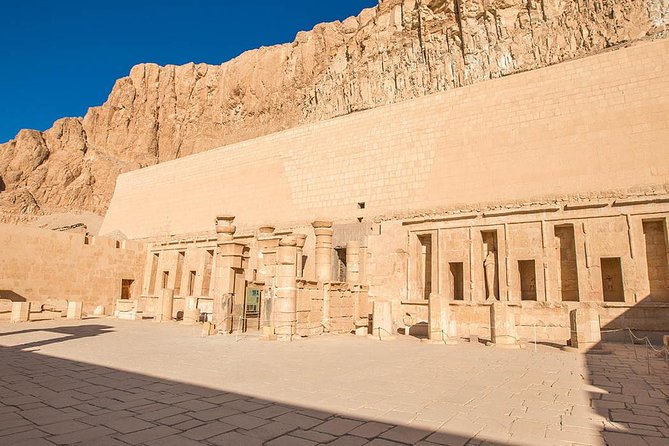
Deir el Bahari is the kind of site you notice even before you study it. Hatshepsut’s Temple has that layered, multi-tier look pressed against the limestone cliffs, and it feels designed to be seen from a distance.
Your Egyptologist can turn the architecture into meaning. You’re not just admiring a cool building. You’re learning how Hatshepsut, the only female pharaoh in Egypt’s recorded history, shaped her rule during the New Kingdom era. She came to power after the death of her father, Tuthmose I, and during a period connected to her half-brother and husband, Tuthmose II.
What’s smart about spending an hour here is that you can actually follow the temple’s rhythm: take in the big picture, then slow down for the details. This is one stop where a good guide can really help you spot what you might miss on your own.
Other Luxor options on the table
- Luxor Day Trip from Hurghada Small Group & Tutankhamun Tomb
★ 4.8 · 5,366 reviews - Hot Air Balloon Ride in Luxor Egypt with Transfers Included
★ 5.0 · 4,319 reviews - Luxor: Shared Full-Day Tour to Luxor West and East Banks
★ 4.5 · 1,812 reviews - Luxor: Hot Air Balloon Ride over Luxor Relics
★ 4.8 · 1,681 reviews
Colossi of Memnon: the 60-foot giants and the sunrise legend
The Colossi of Memnon are famous because they’re hard to ignore. These are two towering statues associated with Amenhotep III, each about 60 feet tall. They guard the entrance area of his mortuary temple, and they’re backed by a story that made them tourist magnets long before Instagram.
The legend includes mysterious sounds said to come from the northern colossus at sunrise. Even if your timing means you’re not catching dawn, you can still feel why people used to gather here. The site has that “myth meets stone” vibe.
This stop is only 15 minutes, so don’t treat it like a full museum visit. Use it for orientation and photos, then let it do what it’s supposed to do: break up the day without dragging.
Karnak Temple: where Thebes flexed its religious muscle
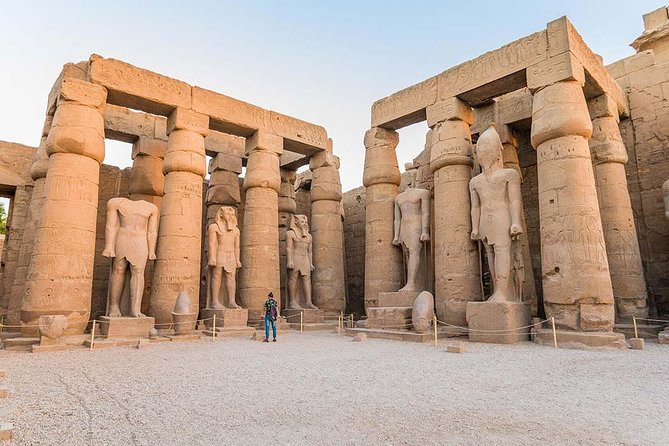
Karnak is massive, and it can overwhelm you if you treat it like a checklist. The good news is you’re given about 2 hours, which is enough time to get oriented and see the temple complex as a living center of ancient faith, not just a pile of ruins.
Karnak wasn’t one building. It was a whole network of temples, sanctuaries, pylons, and decorations developed over about 1500 years. Your Egyptologist’s job is to help you understand that power accumulation. Thebes, where Luxor sits now, was a center of political and religious strength during the New Kingdom, and Karnak reflects that in scale and detail.
You’ll also learn that Karnak functioned beyond worship. It served as a treasury, an administrative hub, and part of the political landscape for pharaohs. That’s what turns Karnak from impressive to meaningful.
A practical tip: this is where you’ll want your guide’s strategy. The best ones help you move efficiently, explain what you’re seeing at each stage, then give you room to wander and look up.
Luxor Temple and the Avenue of Ram-Headed Sphinxes
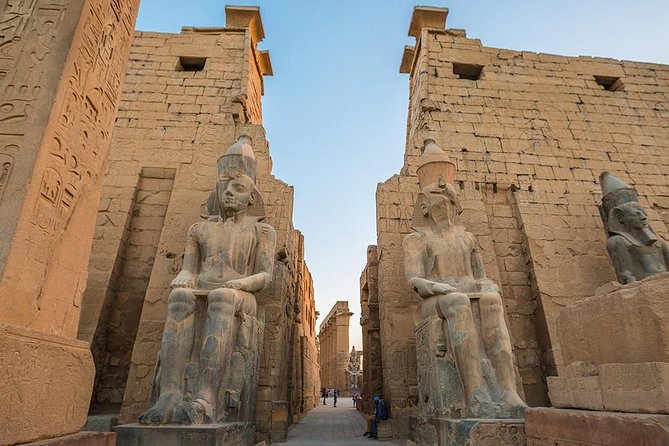
Luxor Temple is often described as a great outdoor museum, and you’ll understand why quickly. It is one of the best-preserved temples in the Luxor area, and the mix of statuary and relief carvings makes the visit feel tactile, almost close-up.
I like the setting here. The modern city starts one side, and the Nile drifts by on the other. That positioning helps you imagine the ancient capital, Thebes, in real geographic terms rather than as a floating concept.
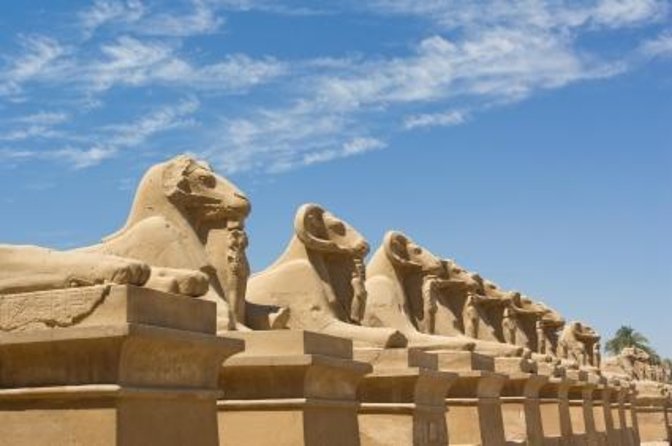
One of the coolest details you may hear relates to the Avenue of Ram-Headed Sphinxes that connected Karnak and Luxor Temple. A common figure attached to that avenue is 2,400 sphinxes, and when your guide points them out as a concept, it changes how you think about movement between sacred spaces. You realize the temples weren’t isolated, they were linked.
You get about 1 hour here, which is a good length. Enough time to appreciate what’s well preserved, but not so long that you feel temple fatigue at the finish line.
Guide time: how a strong Egyptologist changes the whole day
A day like this lives or dies by the guide. The tour includes a private English-speaking Egyptologist, and that’s not just a nice-to-have. When the explanation matches your group’s pace, you stop collecting random facts and start building a picture.
In the Egyptology style that people praise most, you get clear priorities. For example, some guides linked to Memphis Tours have been described as using efficient strategies for moving through sites, speaking without notes, and taking time for questions. Others have been mentioned as very good at reading hieroglyphs, which can turn a wall of symbols into a story you can follow.
I’d treat your guide like your translation device. Ask for what matters most before you reach the first tomb entrance, and you’ll get a smoother visit. Also, if your guide is willing, request a few extra minutes for photos in a spot you care about. On these tight itineraries, that tiny adjustment can be the difference between decent shots and great ones.
Lunch, water, and the real reason you’ll enjoy this more
Included lunch and bottled water might sound basic, but they’re the difference between a fun day and a cranky one. You’re spending hours moving between major sites, and Egypt heat can drain your energy fast. Having water on board helps you keep your head clear.
The lunch is at a good quality restaurant. That matters because in a packed day, a low-effort meal can make you lose momentum. With lunch built in, you can plan your energy level instead of guessing when you’ll finally sit down.
You’ll still want to manage your own pace. If you get tired, tell your guide. The benefit of a private setup is that the day can slow down for your group when you need it.
Price and logistics: when this private day is a smart move
Here’s the value equation I’d use when you’re deciding. If you plan to see all these big names in one day, you need tickets, you need transport across the Nile, and you need someone who can help you not feel lost in the time periods.
This tour covers that core. It includes entrance fees for all the named sites, a quality lunch, bottled water, and private vehicle transfers with pickup and return from your ship or hotel. Tipping is not included, so budget a tip for your guide and driver if you feel it’s earned.
If you’re someone who hates waiting in lines and hates doing math at the last minute, this is where the package approach pays off. You trade a little spontaneity for a smoother day.
If you’re traveling with limited time in Luxor, this is also a strong fit. Seeing Karnak and Luxor Temple plus Valley of the Kings and Hatshepsut Temple in a single day is a lot of Luxor for one calendar slot.
Who should book this East and West Bank day?
You’ll likely love this if:
- you want a structured, one-day introduction to Luxor’s big UNESCO sites
- you prefer a private guide who can tailor pacing and explanations
- you value included entry fees and lunch to keep the day simple
- you’re doing Luxor as part of a cruise or short stay and need door-to-door timing
You might think twice if:
- you want a slow, wandering day with fewer stops
- you get easily overwhelmed by crowds and busy sites, since these are major attractions
- you dislike rushing between multiple monuments in one day
Should you book this tour?
I think this is a smart booking for most first-time Luxor visitors who want the full East and West Bank story without the usual logistical headache. The best part is the value bundle: entrance fees and lunch included, plus private door-to-door transfers and an Egyptologist.
If you’re choosing between doing this yourself and taking a guided private day, the included package helps you keep control of time. The only real drawback is stamina. Wear good shoes, hydrate, and accept that you are going to see a lot.
If that sounds like your style, book it.
FAQ
Is pickup from my hotel included?
Yes. Pickup and return are included from your hotel in Luxor, and the tour also offers door-to-door private transfers from your ship or hotel.
Is this tour private?
Yes. It is a private tour/activity, and only your group participates.
What does the entrance ticket cover?
Entrance fees to all the mentioned sites are included.
Is lunch included?
Yes. Lunch is included at a good quality restaurant.
Do I get bottled water during the tour?
Yes. Bottled water is included on board the vehicle during the tour.
Is a mobile ticket provided?
Yes. A mobile ticket is included.
Do I need to tip?
Tipping is not included, so you should plan to tip if you’d like to.
FAQ
What if weather is poor?
This experience requires good weather. If it’s canceled due to poor weather, you’ll be offered a different date or a full refund.
Newly added near Luxor
- Full-Day Private Guided Tour in the West Bank of Luxor★ 5.0 · 22 reviews
- Amazing 3 nights Nile cruise includes tours from Luxor to Aswan★ 5.0 · 57 reviews
- Hot Air Balloon Flight in Luxor with Pickup★ 4.5 · 14 reviews
- Private transfer from Luxor to Hurghada★ 5.0 · 43 reviews
- Quad Bike safari Experience in Luxor★ 4.5 · 62 reviews
- Private 2 Day Luxor Tour★ 5.0 · 71 reviews
- Private Tour in Luxor Egypt included entrance fees★ 5.0 · 11 reviews
- Private Transfer From Luxor to Marsa Alam★ 5.0 · 28 reviews
Valley of the Kings & West Bank Tours, compared.
Luxor Valley of the Kings & Tutankhamun Tomb Trip
Read our review →
Small group Hurghada to Luxor, Valley of the Kings by Van
Read our review →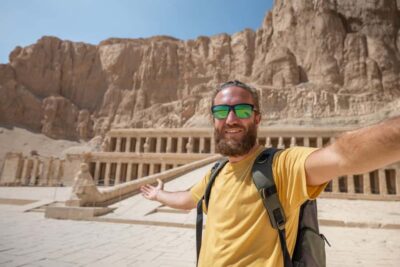
Valley of the Kings and Hatshepsut Temple Day Tour
Read our review →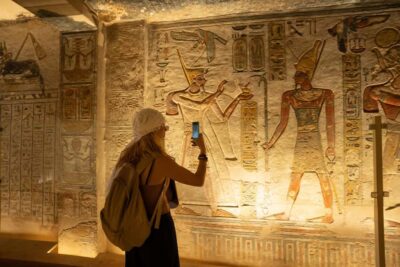
Luxor Tour with Valley of Kings, Karnak & Tut Tomb
Read our review →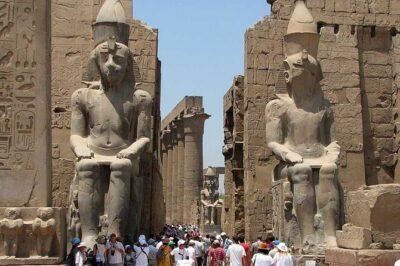
Valley of Kings, Hatchepsut Temple ,Karnak & Luxor-DayTour
Read our review →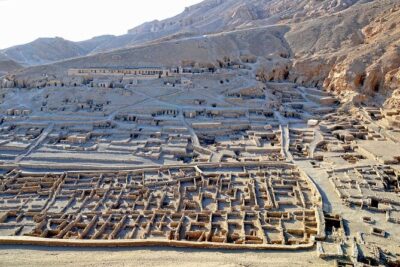
Full Day Tour of Luxor West Bank Temples and Tombs (Private)
Read our review →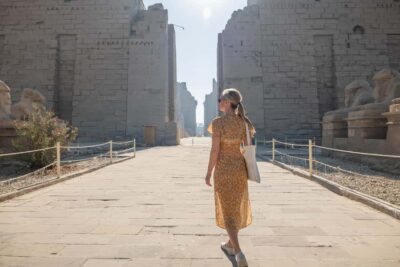
Small Group Excursion to Luxor Valley of the Kings from Hurghada
Read our review →Browse the lists this tour appears in