
Reviewed · 5-DAY EXPERIENCES
5-Day Nile Journey on a Dahabiya Cruise from Luxor to Aswan
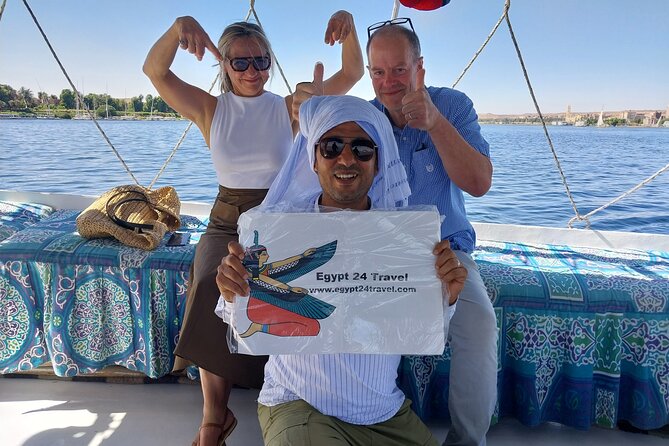
Slow sail, ancient Egypt on your schedule. This 5-day Dahabiya cruise from Luxor to Aswan pairs a cabin stay with an Egyptologist guide, so you see tombs and temples with context, not just photos. I especially love the Valley of the Kings for its New Kingdom burial scale and Karnak Temple for the sheer size and order of the complex. The main tradeoff is that it is temple-heavy, with an early 7:30 am start and lots of walking in sun.
Full-board means you eat onboard, with breakfast, lunch and dinner plus water, tea, coffee and soft drinks served during meals. Excursions run with a driver when needed, and the guide speaks English or Spanish, with groups capped at 25, so the pace stays friendly. The cruise also begins each Saturday from Luxor, which is helpful when you are planning around flights.
On the last morning you disembark after breakfast and get transferred within Aswan for your final departure. Plan on tipping, since it is not included, and you will be set.
In This Review
- Key Things I’d Highlight Before You Go
- Price and what $3,475.75 per person is really paying for
- Dahabiya cruise basics: cabin, meals, and the rhythm of the days
- Day 1 in Luxor: Valley of the Kings, Deir el Bahari, Karnak
- Day 2 in Edfu and Gebel el Silsila: Horus Temple plus a quarry story
- Day 3 Kom Ombo: a double temple across eras
- Day 4 Aswan essentials: High Dam, Unfinished Obelisk, and Philae island temples
- Day 5: disembarkation after breakfast and your Aswan transfer
- Egyptologist guidance, small-group pace, and what I’d watch for
- Who should book this Luxor to Aswan Dahabiya cruise?
- Should you book this Dahabiya Nile journey?
- FAQ
- What route does the Dahabiya cruise cover?
- How long is the cruise?
- What time and meeting point are used for the start?
- Is pickup offered?
- What language are the guides?
- Are meals included?
- Are entrance fees included for the main sites?
- What is not included in the price?
- Is there free cancellation?
- What should I know about weather and group minimums?
Key Things I’d Highlight Before You Go
- Luxor’s must-sees in a tight first day: Valley of the Kings, Hatshepsut at Deir el Bahari, Karnak
- An Egyptologist guide for every stop: learning is built into the itinerary, not bolted on
- Full-board onboard comfort: private cabin plus water, tea, coffee, soft drinks with meals
- A temple-to-temple Nile route: Edfu (Horus), Gebel el Silsila quarry area, Kom Ombo, Philae
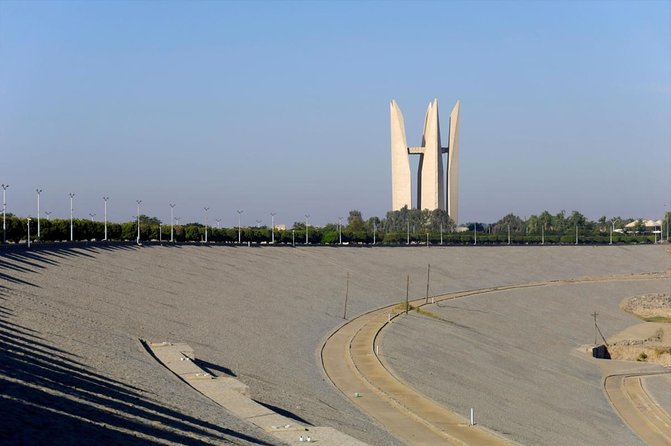
- Aswan stops that connect ancient and modern Egypt: High Dam, Unfinished Obelisk, Philae island temple
- Small-group rhythm: maximum 25 travelers keeps logistics manageable
Price and what $3,475.75 per person is really paying for
At $3,475.75 per person, this is not a budget Nile cruise. You are paying for a package that bundles the hardest parts to coordinate on your own: private onboard lodging, a guide who is there for the sites, and internal transportation on the dahabiya, plus driver help during visits.
You are also getting a lot of admissions value folded into the plan. Most major temple and tomb stops are marked admission ticket included, and the day structure is built around guided time at each place rather than rushed photo stops. Flights are not included, and tipping is not included either, so those are the two costs to keep in mind when you budget.
Where the price makes sense is if you want one smooth Luxor-to-Aswan story line. If you prefer to choose your own hotels, your own guides, and your own day-by-day pace, this might feel like paying for structure you may not use.
Other Luxor options on the table
- Hurghada: 2-Day Luxor Tour with Hotel, Balloon, & Boat Ride
★ 4.5 · 1,113 reviews - From Luxor: 3-Night Nile Cruise to Aswan and Hot Air Balloon
★ 3.7 · 297 reviews - Amazing Sunset sailing by Felucca in Luxor -2 Hours (Private)
★ 5.0 · 255 reviews
Dahabiya cruise basics: cabin, meals, and the rhythm of the days
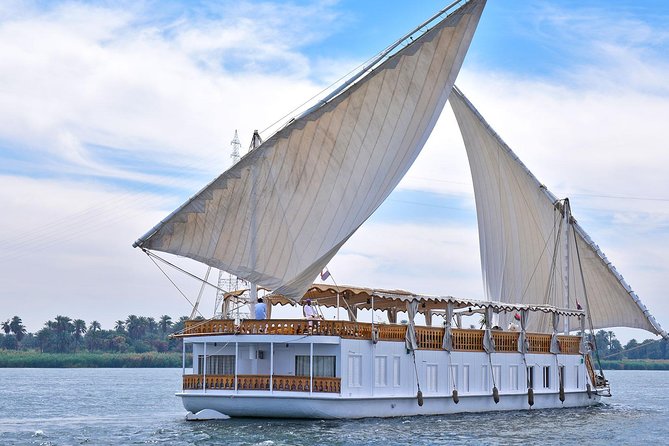
This cruise is built around life onboard an Egyptian sailboat, with a private cabin and full-board included. You get water, tea, coffee, and soft drinks during meals, which is a practical perk in Egypt’s heat. Meals are included four times each for breakfast, lunch, and dinner, which matches a five-day flow with four full meal days.
You also won’t be stuck handling every transfer. The tour includes the services of a driver during excursions or visits, while the dahabiya handles the internal travel along the Nile route. That matters because the sites are scattered, and time is lost when you have to arrange ground transport between them.
The schedule starts at 7:30 am from Luxor Airport. That early start is typical for first-day sightseeing, and it sets expectations for the whole trip. If you hate mornings, plan to adjust quickly.
Day 1 in Luxor: Valley of the Kings, Deir el Bahari, Karnak
Day 1 is a full-on Upper Egypt hits package, and it is the day that gives you the strongest sense of why this region still grips people.
Valley of the Kings is first. This is where New Kingdom pharaohs and powerful nobles were buried, with tomb cutting happening for roughly 500 years from the 16th to the 11th century BC. Even before you get inside any space, the setting matters: it is a rock-cut cemetery built for secrecy, protection, and permanence.
Next comes the Temple of Hatshepsut at Deir el Bahari. Hatshepsut’s mortuary temple is set opposite Luxor, and it is remembered for its standout architecture. This stop is a good counterbalance to the tomb sites because you shift from underground burial ideas to monumental, daylight-facing design.
Then you get the quick photo moment at the Colossi of Memnon. These are two giant stone statues of Amenhotep III, still standing in front of the ruined mortuary temple area. The time on this one is short, which is fine because it works as a mental reset after the heavier tomb and temple viewing.
The day ends at Karnak Temple. The Karnak complex is huge and made up of temples, pylons, chapels, and related buildings near Luxor. I like Karnak because it teaches you how the Egyptians thought in systems. Standing there with an Egyptologist guide helps you connect what you see to how the site functioned, instead of treating it like random ruins.
Practical note: day 1 is also when your guide’s explanations do the most work. It pays to arrive with clear questions in your head, like Who lived here, and why were these spaces built this way?
Day 2 in Edfu and Gebel el Silsila: Horus Temple plus a quarry story
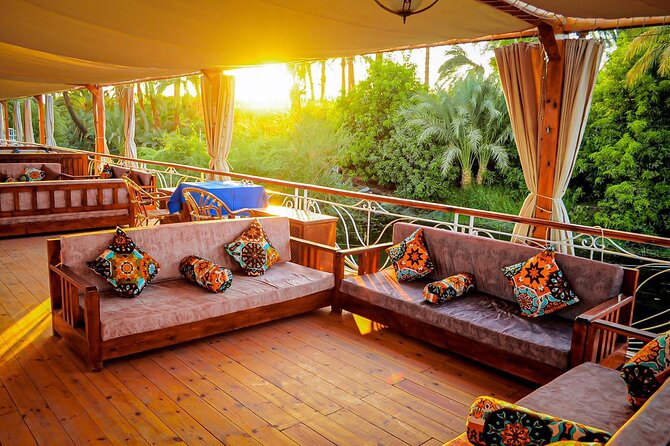
Day 2 shifts you from Luxor-area classics into the Nile corridor toward Edfu and Aswan.
First stop is the Temple of Horus at Edfu. In the itinerary, it is described as an Egyptian temple on the west bank of the Nile in Edfu, and it also ties to older naming traditions from the Hellenistic period. The guide framing adds a useful layer here, because it shows how places can get reinterpreted across time, even while the core temple remains.
The time you spend here is one of the best uses of daylight. Temples like this reward attention to layout and symbols, and having an Egyptologist guide is the difference between surface viewing and real understanding.
Then you visit Gebel el Silsila, the ancient quarry area between Edfu temple and the north side of Kom Ombo, about 65 km north of Aswan. This stop is not as famous as the big temple names, but it gives you something temples alone cannot: the supply chain behind construction. The site was used from the 18th Dynasty of the New Kingdom era, when Egyptians were pulling stone for major building projects across the region, including major sites like Karnak and Luxor Temple.
If you like the behind-the-scenes side of history, this is one of the stops that clicks.
Also reachable from Luxor:
- Hurghada: Luxor Valley of the Kings & Tutankhamun Tomb Trip
★ 4.7 · 13,208 reviews - Luxor Day Trip from Hurghada Small Group & Tutankhamun Tomb
★ 4.8 · 5,366 reviews - Hot Air Balloon Ride in Luxor Egypt with Transfers Included
★ 5.0 · 4,319 reviews - Luxor: Shared Full-Day Tour to Luxor West and East Banks
★ 4.5 · 1,812 reviews
Day 3 Kom Ombo: a double temple across eras
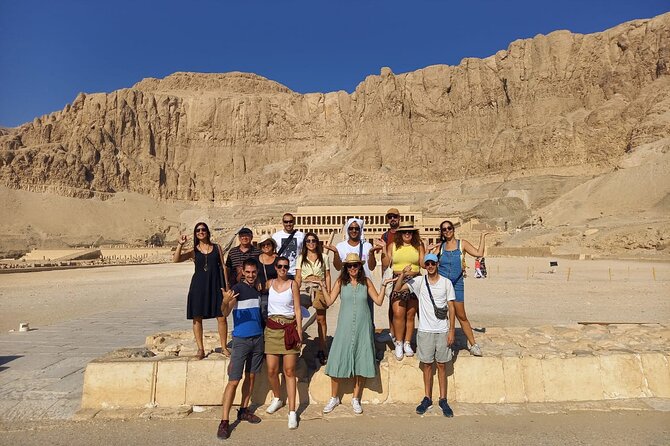
Day 3 is simpler in travel flow, with the standout being Temple of Kom Ombo.
Kom Ombo is known for its unusual double temple design in the town of Kom Ombo, in the Aswan Governorate. Construction is tied to the Ptolemaic dynasty, and the itinerary notes later additions during the Roman period. That mix of eras is exactly why I think this stop is worth your time. You get to see how later rulers and cultures layered their own marks on older sacred architecture.
The visit is scheduled for around two hours, with admission included. That amount of time is realistic for appreciating why it is called double, and for letting your guide connect the temple’s design to its religious purpose as it evolved.
If you are the type who likes photos, this is also a good spot. It gives you symmetry and pairing in a way that makes the scene feel structured, not just sprawling.
Day 4 Aswan essentials: High Dam, Unfinished Obelisk, and Philae island temples
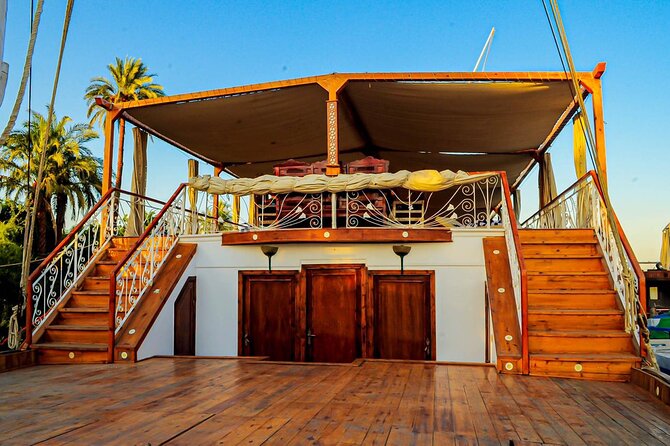
Aswan day is where the trip becomes more than ancient monuments.
First is the Aswan High Dam, described as the world’s largest embankment dam, built across the Nile between 1960 and 1970. It is also framed against an earlier Aswan Low Dam completed in 1902. Even if you do not normally care about infrastructure, this matters because it explains how modern Egypt shaped what you can see downstream.
Next is the Unfinished Obelisk. This one is fascinating because you are seeing stone that never completed the job. The itinerary notes it is the largest known ancient obelisk, located in the northern region of ancient Egyptian quarries in Aswan. It also mentions a researcher, Reginald Engelbach, who studied it in detail in 1922. That scholarly touch makes the stop feel more than just a curiosity.
Finally comes Philae Temple. Philae is described as an island in the reservoir of the Aswan Low Dam, downstream of the High Dam and Lake Nasser. It was originally located near the First Cataract of the Nile, and it was the site of an Egyptian temple complex. The key takeaway is that you are visiting a sacred place that moved because of water engineering. It adds meaning to the word preservation.
Day 5: disembarkation after breakfast and your Aswan transfer
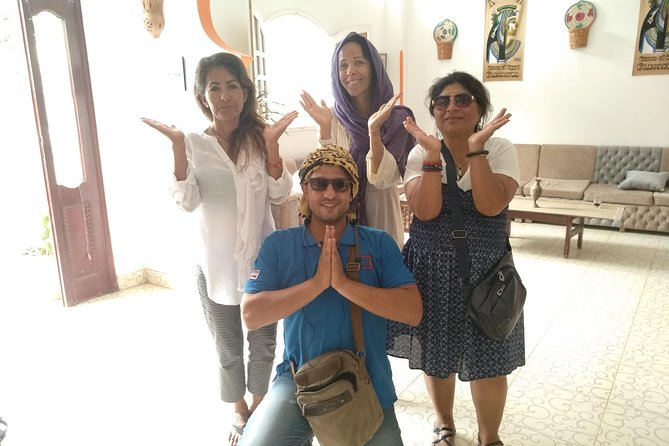
On day 5, your plan is refreshingly straightforward. You enjoy breakfast onboard, then disembark and transfer to any place in Aswan for your final departure. That end point is helpful if you are continuing on to another part of Egypt or simply need time to decompress before your next flight.
Because this is a Luxor-to-Aswan route, the final day is not a full sightseeing day. It is built for a clean exit, and that is a small but real comfort.
Egyptologist guidance, small-group pace, and what I’d watch for
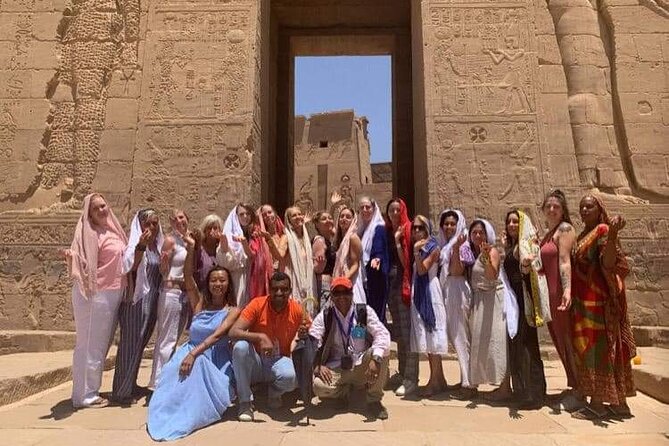
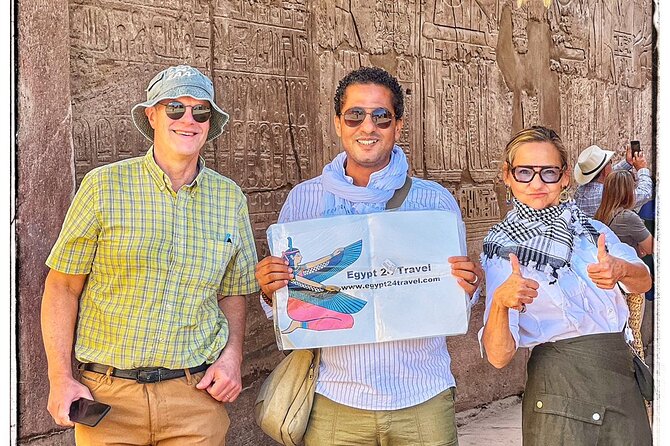
This trip leans hard on guided explanation. The itinerary includes an English-speaking or Spanish Egyptologist guide, plus local guidance during visits. That is a big deal because the sites you are seeing are complex, and context changes how you experience them.
From the names attached to the experiences shared with this operator, guides such as Ahmed and Omar have handled the Egyptologist role and the day-to-day excursions. There are also mentions of team leadership from people like Mr. Nasr. I mention these names not to promise who you will get, but to show that the guiding role is taken seriously and is meant to be more than checking a ticket.
A few practical notes for making the days feel easier:
- Bring comfortable footwear. Most time is spent at tombs and temples, not on a bus.
- Expect sun exposure. Day 1 and day 4 in particular are temple days, and Egypt weather can add fatigue fast.
- If you care about onboard downtime, ask yourself if you want a cruise that is sightseeing-focused. This one is.
Who should book this Luxor to Aswan Dahabiya cruise?
I’d point you to this tour if you want a classic Nile route with structured learning, and you would rather not stitch together transport, tickets, and site guides yourself. A private cabin plus full-board also appeals to people who like the idea of waking up on the river and moving through the days without major hotel changes.
This is also a good fit for first-timers to Upper Egypt. Luxor, Edfu, Kom Ombo, and Aswan’s Philae area are the core spine of the region, and the route is arranged in a way that keeps you moving from one iconic setting to the next.
It may not suit you if you want lots of unplanned quiet time. The schedule includes multiple 2-hour visits plus additional stops, so the cruise side is paired with daily sightseeing.
Should you book this Dahabiya Nile journey?
Book it if you want one guided package that covers Luxor to Aswan with a strong mix of royal tombs, temple complexes, and a thoughtful Aswan day. The included admissions for most stops and the full-board onboard setup make it easier to feel like your money is going into the experience, not into endless add-ons.
I’d pause before booking if you know you dislike early starts or long temple days. Also check your priorities on tipping since it is not included, and plan for travel costs outside Egypt because flights are not part of the package.
If you can handle a schedule with history front and center, this is the kind of trip that turns a list of monuments into a connected story from Luxor to Aswan.
FAQ
What route does the Dahabiya cruise cover?
The cruise runs from Luxor to Aswan and includes day-by-day visits at key sites along the Nile corridor.
How long is the cruise?
It is listed as 5 days (approx.).
What time and meeting point are used for the start?
The start is Luxor Airport at 7:30 am.
Is pickup offered?
Yes, pickup is offered.
What language are the guides?
The guide is English-speaking (or Spanish) and works as an Egyptologist for the visits.
Are meals included?
Yes. Full board is included, with breakfast (4), lunch (4), and dinner (4) plus water, tea, coffee, and soft drinks during meals.
Are entrance fees included for the main sites?
For most scheduled stops, admission tickets are included. One stop, the Colossi of Memnon, is listed as free, and other stops are listed as admission ticket included.
What is not included in the price?
Flights are not included, and tipping is not included.
Is there free cancellation?
The experience includes free cancellation. You can cancel up to 24 hours in advance for a full refund.
What should I know about weather and group minimums?
The experience requires good weather. It may be canceled due to poor weather, and it can also be canceled if a minimum number of travelers is not met, with an offer of a different date or a full refund.
Newly added near Luxor
- Full-Day Private Guided Tour in the West Bank of Luxor★ 5.0 · 22 reviews
- Amazing 3 nights Nile cruise includes tours from Luxor to Aswan★ 5.0 · 57 reviews
- Hot Air Balloon Flight in Luxor with Pickup★ 4.5 · 14 reviews
- Private transfer from Luxor to Hurghada★ 5.0 · 43 reviews
- Quad Bike safari Experience in Luxor★ 4.5 · 62 reviews
- Private 2 Day Luxor Tour★ 5.0 · 71 reviews
- Private Tour in Luxor Egypt included entrance fees★ 5.0 · 11 reviews
- Private Transfer From Luxor to Marsa Alam★ 5.0 · 28 reviews
5-Day Experiences, compared.

5-Day Egypt Highlights Private Tour with Flights
Read our review →
Private 5-Day Tour, Nile Cruise, Flights & Balloon
Read our review →
5 Days Private Guided Nile River Cruise Tour from Luxor to Aswan
Read our review →
Our Exceptional 5 days Cairo, Luxor and Abu Simbel Tour Package
Read our review →
5-Day Nile Cruise to Aswan with Balloon Ride
Read our review →
Luxury 5 Days Nile River Cruise from Luxor to Aswan with Private Tour Guide
Read our review →
Browse the lists this tour appears in