
Reviewed · LUXOR & ASWAN NILE CRUISES
From Luxor: 5 Days 4 Nights Nile Cruise to Aswan
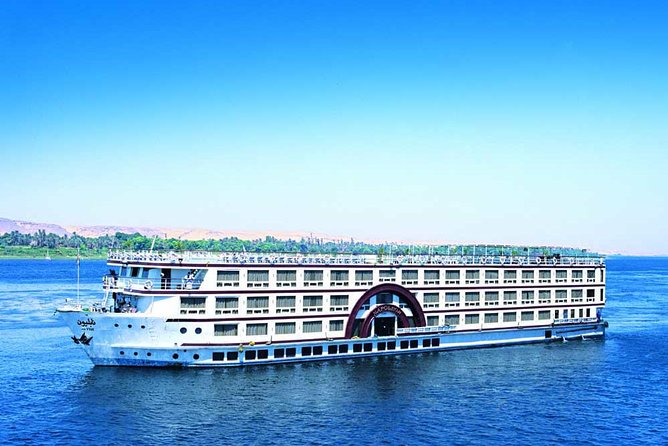
Luxor to Aswan by boat feels like time travel. You spend days inside world-famous temples with an Egyptologist, then float the Nile between stops on a 4-night 5-star cruise.
What I like most is how much is already handled for you. You get private A/C transfers, and the trip price covers lodging on board, meals, entrance fees, and the guided excursions.
One thing to consider is that ship and cabin quality can vary. Some people report issues like diesel odor if a cabin is too close to the engine area, plus occasional complaints about cleanliness or air conditioning, so it’s worth checking your cabin setup early.
In This Review
- Key highlights worth knowing before you go
- How the Luxor-to-Aswan route really plays out on the Nile
- Day 1 in Luxor: Karnak Temple and Luxor Temple in one strong start
- Day 2 on the West Bank: Valley of the Kings, Hatshepsut, and Colossi of Memnon
- Day 3 in Edfu and Kom Ombo: Horus at Edfu and Sobek plus Horus at Kom Ombo
- Day 4 in Aswan: High Dam, Unfinished Obelisk, and Philae Temple
- On-board experience: food, comfort, and the cabin reality
- What you pay for: value of included tours, entrances, and full-board meals
- Day 5 in Aswan: disembark and choose your optional time
- Who this Nile cruise suits best, and who should think twice
- Should you book this Luxor to Aswan Nile cruise?
- FAQ
- How long is the cruise, and how many nights are included?
- What stops and sights are included during the trip?
- Are entrance fees and meals included?
- Is airport or hotel pickup included?
- Is tipping included in the price?
- Are there optional tours on the last day in Aswan?
- Do you get bottled water during the tours?
- Is this tour private or group-based?
- What is the cancellation policy?
- Does the trip depend on weather?
Key highlights worth knowing before you go
- Karnak + Luxor Temple on Day 1: two major Theban power sites with Amun and royal-building stories
- West Bank classics on Day 2: Valley of the Kings, Hatshepsut at Deir el Bahari, and the Colossi of Memnon
- Edfu’s Temple of Horus: the temple’s sacred drama themes tied to Horus and Seth
- Kom Ombo’s dual-god layout: shared worship of Sobek (crocodile god) and Horus
- Aswan’s three big stops in one day: High Dam, the Unfinished Obelisk quarry, and Philae Temple
- Full board with entrance fees included: fewer add-ons to manage during the trip
How the Luxor-to-Aswan route really plays out on the Nile
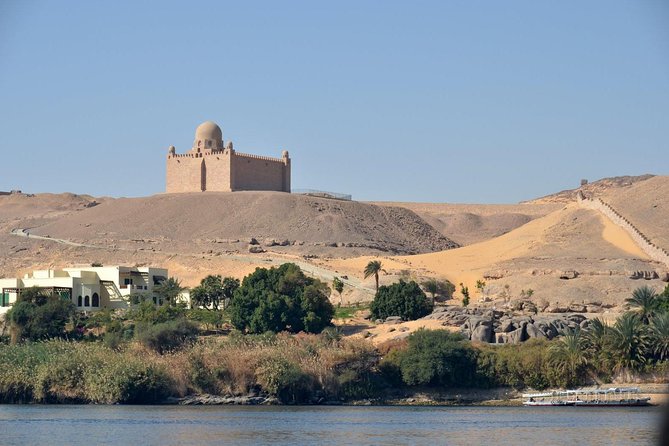
This style of cruise works because you move through Egypt’s key river sites without packing and rebooking hotels every night. You get a structured day with a guide, then you return to the boat to eat, rest, and watch the Nile life slide by.
The schedule is also built around what you can handle without burning out. The big archaeological stops are grouped by geography: Luxor’s east and west banks, then Edfu and Kom Ombo along the way, then Aswan’s dam and temples. That “one region per day” rhythm is a big reason this kind of trip feels efficient.
If you like real travel logistics, you’ll appreciate the included private A/C vehicle transfers and meet-and-greet service. It reduces the stress of getting yourself from site to site, especially in busy cities like Luxor.
More Nile Cruises in Luxor
- From Luxor: 3-Night Nile Cruise to Aswan and Hot Air Balloon
★ 3.7 · 297 reviews - 5 Days Private Guided Nile River Cruise Tour from Luxor to Aswan
★ 5.0 · 229 reviews - Historia Hotel Nile Cruise, Mon. from Luxor 4 nts inc. Excursions
★ 5.0 · 185 reviews
Day 1 in Luxor: Karnak Temple and Luxor Temple in one strong start
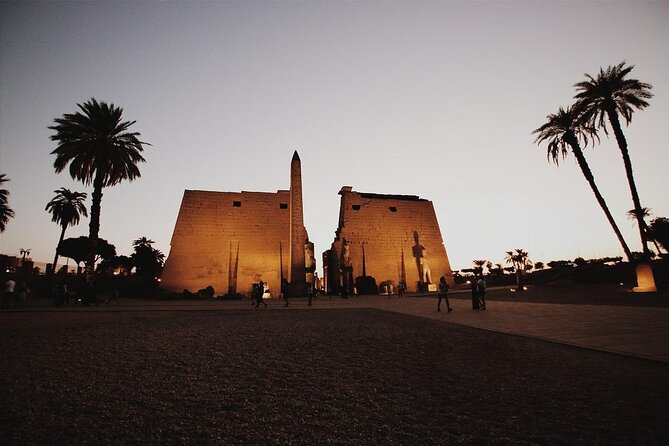
Day 1 is your orientation to Thebes, Egypt’s ancient religious and political center. You begin at Karnak Temple, dedicated to Amun and Mut, and the guide covers the scale and purpose of the complex. One of the more interesting tidbits you’ll hear is that an Egyptian version of an international peace treaty was preserved on a wall at Karnak, tied to the idea of Amun’s influence.
Next you go to Luxor Temple, built by Amunhotep III and completed later by Ramesses II. This stop is great if you want the feeling of a royal monument that keeps evolving across dynasties. You also visit the obelisk of Ramses II in front of the First Pylon, which helps you connect the temple with the rulers who sponsored it.
After the two temple visits, you check into your Nile cruise. That flow matters because you’re not trying to squeeze a cruise boarding and major sightseeing into one chaotic schedule. You get your first Luxor day done, then you’re ready for the sailing days ahead.
Day 2 on the West Bank: Valley of the Kings, Hatshepsut, and Colossi of Memnon
Day 2 is your “west bank morning” and it’s built for classic contrasts: royal tombs, a queen’s mortuary temple, and monumental statues by the river.
You start with the Valley of the Kings, where the guide sets you up for how these tombs worked. The route includes tombs tied to major names like Tutankhamun, Ramesses V I, Thutmose, and Amenhotep II. Even when you’re standing in the same dry desert light, it helps to have a guide connect what you’re seeing to what the Egyptians believed about kingship and the afterlife.
Then you move to Temple of Hatshepsut at Deir el Bahari, also known as El Deir el Bahari. Hatshepsut is one of those rulers you can’t reduce to a footnote. You’ll hear how she was a pharaonic woman who also supported trading routes, and the temple’s design reflects how strongly she wanted to legitimize her rule.
The finish of the “west bank trio” is the Colossi of Memnon, twin statues of Amenhotep III facing the Nile. There’s a famous story here too: an earthquake reportedly shattered the northern statue, and people linked the sound of the lower part to singing around sunrise. Whether you take the legend literally or not, the statues still land with a strong sense of age and presence.
By the end of the day, you return to the cruise and sail onward toward Edfu. This sailing time is where the trip starts to feel like a vacation instead of a site-hopping tour.
Day 3 in Edfu and Kom Ombo: Horus at Edfu and Sobek plus Horus at Kom Ombo
Day 3 keeps the momentum, but in a more thematic way. The focus is on temples you can read like living religious texts, not just stones.
First up is the Temple of Horus in Edfu. Here, the big value is context. The guide explains key scenes and inscriptions tied to a sacred drama linked to the conflict between Horus and Seth. That story helps you understand the temple layout and carvings, because you’re not just staring at hieroglyphs, you’re following a designed narrative.
After that, the day shifts with sailing to Kom Ombo Temple. This is one of the neatest surprises on the river because the temple is shared by Sobek and Horus. Sobek is connected to the Nile, the army, and fertility, while Horus is associated with sky and kingship. You’ll see how two divine “bosses” shape the temple’s plan.
Once you finish, you head back to the cruise and keep sailing. This “temple, sail, temple, sail” rhythm is where the cruise option really earns its keep.
More Nile cruise itineraries:
- From Luxor: 5-Day Nile Cruise to Aswan with Balloon Ride
★ 4.2 · 168 reviews - 4 Nights Luxor to Aswan Nile cruise with Abu Simbel&Air Balloon
★ 5.0 · 155 reviews - 4 Days Aswan and Luxor Nile cruise&Abu Simbel by plane from Cairo
★ 5.0 · 155 reviews - From Luxor: 3-Day Nile Cruise to Aswan with Private Guide
★ 4.2 · 147 reviews
Day 4 in Aswan: High Dam, Unfinished Obelisk, and Philae Temple
Aswan is the day that turns the trip from monuments to Egypt’s relationship with water and power.
You start at the Aswan High Dam, where the guide explains how it controls Nile water. You also learn that the dam holds about three years of Nile water in storage. That fact gives you a modern lens on an ancient river society, which is exactly what you want when you reach Aswan.
Then you visit the Unfinished Obelisk in the quarry. This stop feels different because it shows you the building process, not just the finished result. The obelisk is described as weighing about 1,168 tons, and the story says it would have been around 1,200 tons if completed. You’ll also hear that casing stones used for the pyramids at Giza came from this quarry. It’s a reminder that Egyptian engineering happened at a massive scale long before the idea of “mass production” existed.
The day finishes at Philae Temple, dedicated to Isis. Here, the key is its focus on health, marriage, and wisdom through Isis worship. Like the other temples, Philae works best when you have a guide who can connect symbols and sections to the goddess’s role.
After that, you transfer back to the cruise, so you end Day 4 feeling like you completed the Aswan checklist without rushing.
On-board experience: food, comfort, and the cabin reality
On paper, this is a 5-star Nile cruise with full board, which is a great promise because you avoid constantly deciding where to eat. The included meals matter on a multi-day route, and people often praise the onboard food and service when the ship assignment matches the expectations.
That said, the most practical caution is not about the Nile views. It’s about the cabin and ship condition you’re actually handed at check-in. Some accounts mention cabins near the engines with diesel odor, and others report hot water or air conditioning issues, plus cleanliness problems. A couple of notes also call out an older-feeling ship and extra costs like paid Wi-Fi.
Here’s how you protect yourself without overthinking it. When you get your cabin key, check the basics right away: air conditioning, hot water, and bathroom cleanliness. If you’re sensitive to noise or smell, ask for a cabin location that avoids engine-adjacent areas. If you’re traveling as a family, confirm you’re in the same ship and that your party is together before you settle in.
Also, bring patience for ship life at night. Some cruises can be affected by neighboring boats at dock, like pump noise. That’s not your fault, but it can shape sleep.
If your priority is a relaxed base with guiding support, this cruise model can feel like a win. Just treat the “5-star” label as a starting point, then verify your cabin.
What you pay for: value of included tours, entrances, and full-board meals
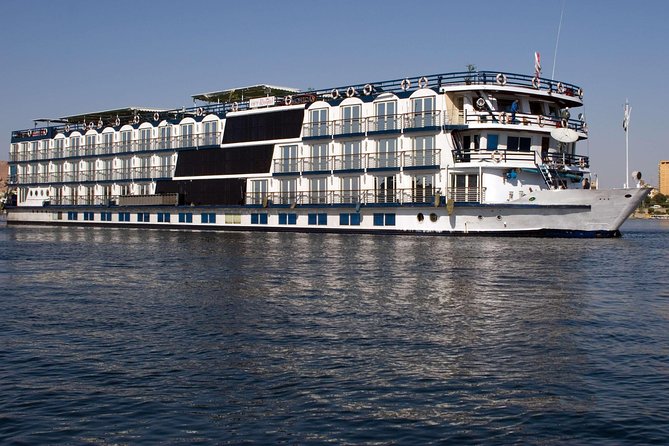
At $1,000.83 per person for a roughly 5-day trip (4 nights on board), the headline value is that the package covers the big-ticket costs that usually add up fast in Egypt.
You’re not only paying for the boat. You’re paying for:
- lodging for 4 nights on board
- full-board meals (breakfast, lunch, dinner daily across the trip)
- Egyptologist-guided excursions at each major site
- entrance tickets for Karnak, Luxor Temple, Valley of the Kings, Hatshepsut, Edfu, Kom Ombo, High Dam, Unfinished Obelisk, and Philae
- bottled water during tours
- private A/C transfers and service charges
So when you compare this to doing Egypt temples on your own, the saved time is real. You avoid arranging drivers, buying every entrance ticket separately, and negotiating timing at each stop.
Two costs to remember are tipping and optional add-ons. Tipping is not included, and on the last day in Aswan you’ll have options like Abu Simbel or a Nubian village, or just time to wander. If you plan those extras, budget for them.
Day 5 in Aswan: disembark and choose your optional time
Day 5 starts with breakfast on board, then you disembark in Aswan. At this point, you get flexibility: you can take an optional tour to Abu Simbel, visit a Nubian village, or keep it simple and spend time on your own around Aswan.
This is a good design if you like options at the end of a packed itinerary. After four days of guided sites, it’s nice to decide how much intensity you want on your final morning.
Who this Nile cruise suits best, and who should think twice
This cruise is a strong match if you want a guided path through top temples without juggling transport. It also suits people who like structure, because each day is built around major sites with an Egyptologist explaining what you’re looking at.
It’s less ideal if you are extremely sensitive to cabin conditions, especially noise, smell, or temperature issues. If you know you need a very specific type of room setup, make your cabin needs clear early, and verify comfort items as soon as you board.
Finally, consider your sightseeing pace. This trip is packed with landmark stops and guided time. If you like long unstructured museum wandering, you may find the schedule intense. If you like seeing a lot and getting the stories behind it, you’ll probably feel at home.
Should you book this Luxor to Aswan Nile cruise?
I’d book it if your priority is an organized, included package that stitches Luxor’s east and west banks to Edfu, Kom Ombo, and Aswan in one smooth river route. The included entrances, full-board meals, and private transfers are exactly the kind of value that makes Egypt feel easier to handle.
I’d hesitate only if you’re very worried about cabin comfort, or you need guaranteed ship and room assignments. If that’s you, plan to confirm your cabin category and location immediately after boarding, and ask questions about air conditioning and hot water before you unpack.
If you get the right guide, this route can feel like you’re reading Egypt instead of just looking at it. And even on days when you’re tired, sailing between stops gives you that needed reset.
FAQ
How long is the cruise, and how many nights are included?
It runs for about 5 days with 4 nights on board.
What stops and sights are included during the trip?
Your included guided visits cover Karnak Temple, Luxor Temple, Valley of the Kings, Temple of Hatshepsut, Edfu Temple (Temple of Horus), Kom Ombo Temple, Aswan High Dam, Unfinished Obelisk, and Philae Temple.
Are entrance fees and meals included?
Yes. Entrance tickets and meals are included, along with accommodation on board and the guided excursions.
Is airport or hotel pickup included?
Pickup is supported with a meet-and-greet service in Luxor, and transfers are provided by a private A/C vehicle.
Is tipping included in the price?
No. Tipping is not included.
Are there optional tours on the last day in Aswan?
Yes. On the final day you can choose an optional tour to Abu Simbel, an optional Nubian Village visit, or spend time enjoying Aswan sights on your own.
Do you get bottled water during the tours?
Yes. Bottled water is provided during tours.
Is this tour private or group-based?
This is described as a private tour/activity, with only your group participating.
What is the cancellation policy?
There is free cancellation. You can cancel up to 24 hours in advance for a full refund.
Does the trip depend on weather?
Yes. It requires good weather. If it’s canceled due to poor weather, you’ll be offered a different date or a full refund.
More Cruises & Boat Tours in Luxor
- Hurghada: 2-Day Luxor Tour with Hotel, Balloon, & Boat Ride
★ 4.5 · 1,113 reviews - Amazing Sunset sailing by Felucca in Luxor -2 Hours (Private)
★ 5.0 · 255 reviews - Luxor: Private East and West Banks Tour and Felucca Cruise
★ 4.7 · 209 reviews - Luxury 5 Days Nile River Cruise from Luxor to Aswan with Private Tour Guide
★ 5.0 · 114 reviews
Newly added near Luxor
- Full-Day Private Guided Tour in the West Bank of Luxor★ 5.0 · 22 reviews
- Amazing 3 nights Nile cruise includes tours from Luxor to Aswan★ 5.0 · 57 reviews
- Hot Air Balloon Flight in Luxor with Pickup★ 4.5 · 14 reviews
- Private transfer from Luxor to Hurghada★ 5.0 · 43 reviews
- Quad Bike safari Experience in Luxor★ 4.5 · 62 reviews
- Private 2 Day Luxor Tour★ 5.0 · 71 reviews
- Private Transfer From Luxor to Marsa Alam★ 5.0 · 28 reviews
- Private Tour in Luxor Egypt included entrance fees★ 5.0 · 11 reviews
Luxor & Aswan Nile Cruises, compared.
4-Days Nile Cruise From Aswan To Luxor including Abu Simbel and Hot Air Balloon
Read our review →
4-Day 3-Night Nile Cruise from Aswan to Luxor&Abu Simbel+Balloon
Read our review →
4-Day 3-Night Nile Cruise from Aswan to Luxor including Abu Simbel, Air Balloon
Read our review →
4-Day Nile Cruise from Aswan to Luxor with Guide
Read our review →4-Days Nile Cruise From Aswan To Luxor including Abu Simbel and Hot Air Balloon
Read our review →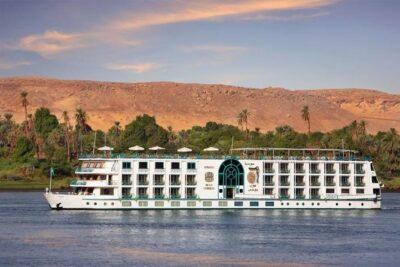
4-Day 3-Night Nile Cruise from Aswan to Luxor – Private Tour
Read our review →4 Days Nile Cruise from Aswan to Luxor including Abu Simbel and Hot Air Balloon
Read our review →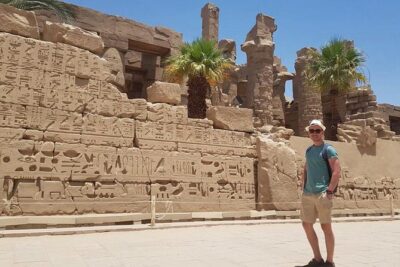
4-Day 3-Night Nile Cruise from Aswan to Luxor With Balloon and Abu Simbel
Read our review →Browse the lists this tour appears in