
Reviewed · HISTORICAL TOURS
Explore the history and treasures of Luxor on a full-day tour
Luxor can feel overwhelming, then this day plan clicks. I like how this private full-day tour links the East Bank and West Bank in one organized route, so you spend less time figuring it out and more time looking closely at the big stuff. The pacing is built around major monuments, with door-to-door hotel pickup and drop-off that keeps the day sane.
Two things I especially like are the qualified Egyptologist guide and the photo-friendly way stops are handled. I also appreciate that the tour runs in comfort with an A/C private vehicle and bottled water, which matters when you are moving between sites for 9 to 10 hours.
One possible drawback to keep in mind: most entry tickets are not included, so you’ll want to budget for monument access and plan on extra time at ticket points.
In This Review
- Key highlights you will care about
- East Bank to West Bank in one organized Luxor day
- Karnak Temple Complex: the fortified village that grew into an empire
- The Karnak highlights people talk about: Ramesses III, Hypostyle Hall, and obelisks
- Colossi of Memnon: why this quick stop still earns its place
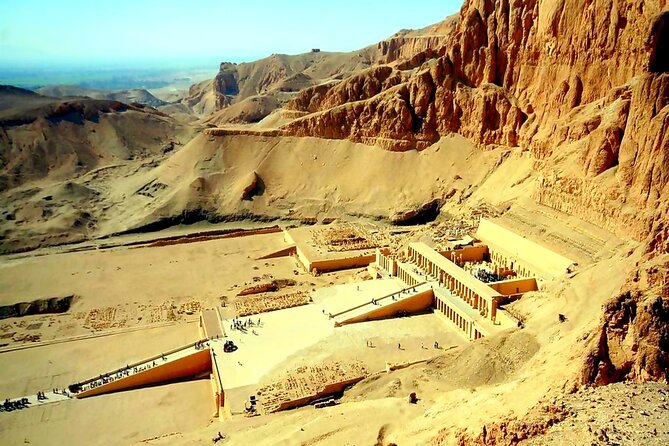
- Deir el Bahari and Queen Hatshepsut: a temple that feels built for the view
- Valley of the Kings: the dry valley where tomb art carries the message
- KV11, KV6, KV8, and Tutankhamun: what each tomb stop teaches you
- Tomb of Ramses III (KV11)
- Tomb of Ramses IX (KV6)
- Tomb of Merenptah (KV8)
- Tomb of Tutankhamun
- How the guide and private vehicle shape your day
- Price and value: what $15 covers, and what you should still plan for
- Who should book this Luxor tour
- Should you book this Luxor highlights tour?
- FAQ
- Is hotel pickup and drop-off included?
- How long is the tour?
- Are entry tickets included?
- What is included in the price?
- Is this a private tour?
- Can I cancel and get a full refund?
- Are service animals allowed?
Key highlights you will care about
- East Bank to West Bank in one day, so you do not waste half a vacation piecing together transport
- Karnak in full context, including Hypostyle Hall and the royal obelisks tied to key rulers
- Deir el Bahari and Hatshepsut, with a long enough stop to see why the setting feels so intentional
- Valley of the Kings tomb selection, hitting multiple tombs instead of just one quick look
- Egyptologist guide and private timing, a strong match for families and photographers
- Comfort perks, A/C transfers and bottled water that lower the stress level
East Bank to West Bank in one organized Luxor day
Luxor is basically two different worlds separated by the Nile. This tour respects that reality by grouping the East Bank sights first, then shifting to the West Bank for the tombs. You get the clearest sense of how the ancient Thebes complex worked, without having to arrange separate guides or re-plan transport mid-day.
The private format is a big deal for value, not just convenience. With only your group in the vehicle, your schedule is less hostage to random group timing. You can pause for photos when the light is right, or take a slower walk when you want to read stone carvings instead of racing for the next stop.
For the practical side, you will be picked up from your Luxor hotel and returned afterward, and you will travel by private A/C vehicle. Bottled water is included, which is helpful when you are out for long stretches. The tour is also designed for “most travelers,” meaning it is not an ultra-athletic itinerary, even though some tomb interiors involve steps and uneven ground like many historic sites.
Plan for a long day. The itinerary totals about 9 to 10 hours, with multiple 20 minutes to 2 hour stops. That is not “see everything in 60 minutes.” It is “see the right things, properly.”
Other Luxor options on the table
- Sunrise Hot Air Balloon Over the Historical sites in Luxor
★ 5.0 · 697 reviews - 3-Day Luxor Aswan and Abu Simbel Historical Sites Private Tour
★ 5.0 · 34 reviews - Valley of the Kings & Hatchepsut temple and Back into Egypt’s ancient history
★ 5.0 · 18 reviews
Karnak Temple Complex: the fortified village that grew into an empire
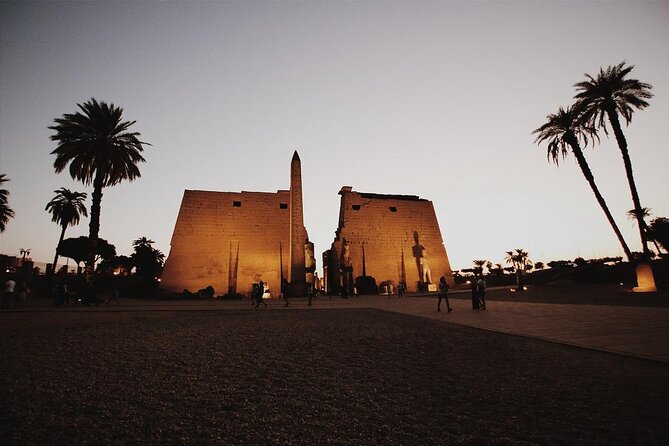
Karnak is the heart of ancient Thebes religion, and it is also the reason Luxor feels like more than a pretty stop on the map. The complex is enormous, made up of temples, chapels, and other buildings laid out like a fortified village. In Arabic, Karnak is tied to the idea of a fortified village, and once you start walking through it, the nickname makes sense.
You spend about 2 hours at Karnak, which is enough time to get beyond the first impression. Karnak dates roughly from 2055 BC to 100 AD, built as a cult temple and dedicated to Amun, Mut, and Khonsu. The scale is so big that ancient Egyptians reportedly described it as “most select of places,” and you can feel that kind of intention in the architecture.
What I find most rewarding here is how Karnak gives you a layered view of power. Different pharaohs added and modified parts of the site across centuries. So when you look at columned halls and decorated walls, you are not seeing one ruler’s message. You are seeing generations competing to add their names to the same sacred geography.
A quick reality check: Karnak entry requires tickets, and they are not included in the tour price. You will still have a guide to help you aim your attention, but you should plan to handle monument fees along the way.
The Karnak highlights people talk about: Ramesses III, Hypostyle Hall, and obelisks
Karnak can swallow your time if you let it. This tour solves that by stacking in short, focused stops that hit the big visual moments and the key architectural features.
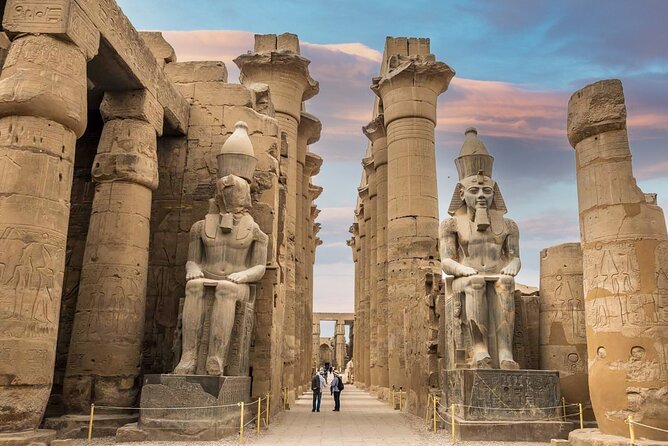
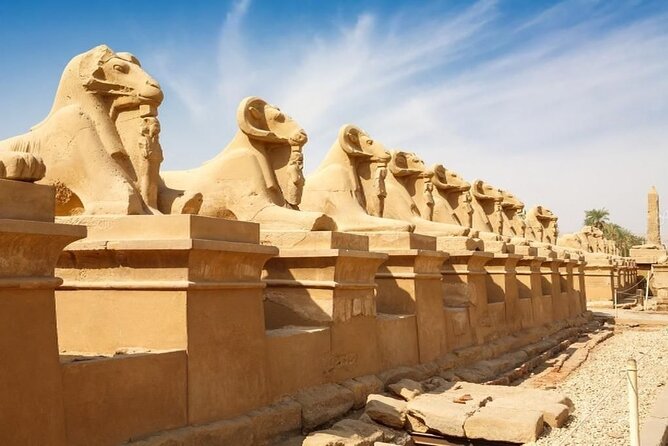
Next up is the Temple of Ramesses III within the Karnak complex, with about 20 minutes there. This is where you get the sense of Karnak as a whole system: the Avenue of Sphinxes, the Hypostyle Hall with 134 massive columns, and the surrounding sacred layout.
One detail I really like for your understanding is that the tour spotlights specific royal monuments, not just general scenery. You see obelisks linked to queens and kings, including the Obelisks of Queen Hatshepsut and Tutmosis I, and you also get mention of Amon’s temple decoration with lotus and papyrus motifs. Even in a short visit, those named elements help you connect what you are seeing to who commissioned it and why.
There is also a quick stop for the Obelisk of Queen Hatshepsut and Obelisks of Hatshepsut and Tutomosis I, around 5 minutes. That might sound too short, but obelisks are one of those monuments where a short stop can be enough to appreciate the shape, the inscriptions, and the scale against nearby structures.
If you care about photography, the Karnak section is a strong match. One of the standout praise points in the experience is the guide’s willingness to work with photos and keep things moving without making you feel rushed.
Again, tickets are not included for these parts of Karnak.
Colossi of Memnon: why this quick stop still earns its place
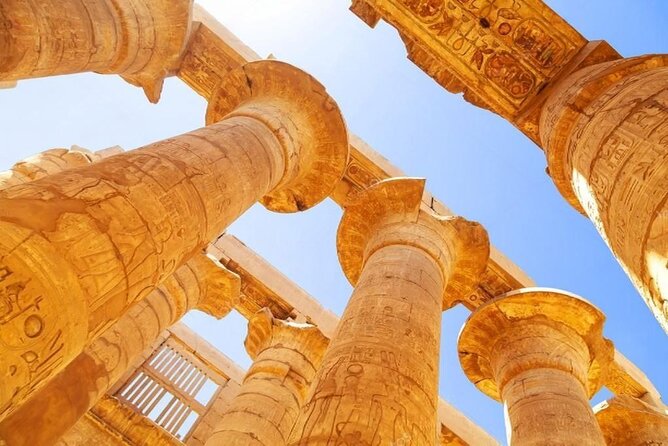
On the way out, you pause at the Colossi of Memnon, with about 20 minutes at the site. These are the two largest ancient statues in Egypt, dating to the era of King Amenhotep III. Even if you only have a short moment, they land well because they are huge, simple, and instantly readable from a distance.
The tour notes that admission for this stop is included, which is a nice break in a day where many other tickets are not included. Practically, that means fewer payment steps right then and there.
This is also a good pause for your brain. Karnak is dense with details, and the colossi give you scale and open space. If you want a less strenuous photo moment, this is it.
One thing to keep in mind: since this is a photo stop, you will likely be sharing space with other visitors during the busiest hours. A private guide helps you manage the best angles, but you still cannot control crowd density.
Also reachable from Luxor:
- Hurghada: Luxor Valley of the Kings & Tutankhamun Tomb Trip
★ 4.7 · 13,208 reviews - Luxor Day Trip from Hurghada Small Group & Tutankhamun Tomb
★ 4.8 · 5,366 reviews - Hot Air Balloon Ride in Luxor Egypt with Transfers Included
★ 5.0 · 4,319 reviews - Luxor: Shared Full-Day Tour to Luxor West and East Banks
★ 4.5 · 1,812 reviews
Deir el Bahari and Queen Hatshepsut: a temple that feels built for the view
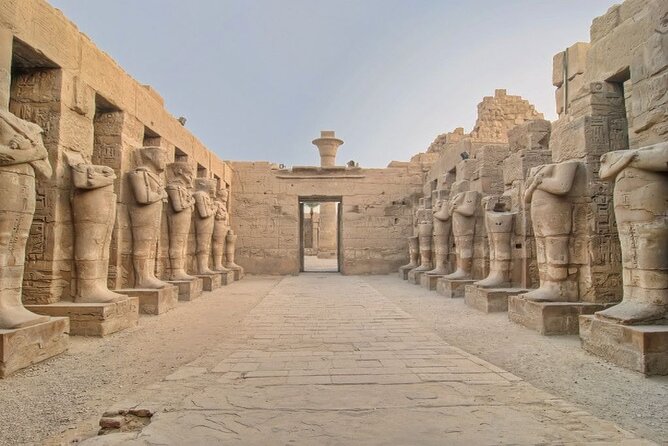
Then the tour shifts to the West Bank, stopping at the Temple of Hatshepsut at Deir el Bahari. You get about 2 hours here, with entry tickets not included.
Hatshepsut matters because she was the longest ruling female pharaoh of ancient Egypt, and this mortuary temple is dedicated to her. The site sits in a dramatic setting, and the design is part of the experience. You will see statues, sphinxes, and reliefs, many carefully restored over time.
What I like about the Deir el Bahari stop is that it balances storytelling. Karnak and the Valley of the Kings are heavy on religious function and royal burial. Here, the art and architecture land more like political biography. You are looking at how a ruler wanted to be remembered, and how she used temple design to anchor that message.
A practical tip: even with a 2-hour stop, the temple can still feel like “a lot to see” because there are many carved surfaces. If you want the best experience, slow down for the relief panels and take breaks for wide views.
Just like the other big stops, entry tickets are usually not included in your tour price. Plan for that so you are not surprised at the gate.
Valley of the Kings: the dry valley where tomb art carries the message
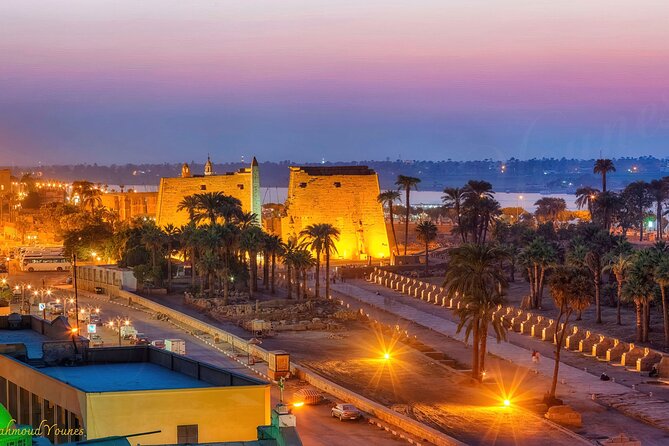
Next you reach the Valley of the Kings, with about 2 hours allocated. The Valley of the Kings is across the river from ancient Thebes, and the name is modern shorthand. The tombs belong to rulers of the Eighteenth, Nineteenth, and Twentieth Dynasties of the New Kingdom, roughly 1550 to 1069 BC, and the setting is a desolate dry river valley.
Here is a detail I think helps you appreciate what you are seeing: the valley is divided into an East Valley and a West Valley. The East is the famous one, while the West has only a handful of tombs. In total, the valley includes over sixty tombs and around twenty unfinished ones that are little more than pits.
This tour focuses on multiple tombs, which is smart because it gives you variety in decoration and burial design. If you were only doing one tomb, you might miss how much the layouts and art programs change even within a single dynasty era.
You should know that tickets for the Valley of the Kings and the individual tombs are not included. You will have a guide to help with orientation, but you will still want to plan budget and be ready for a line at ticket control depending on your day.
KV11, KV6, KV8, and Tutankhamun: what each tomb stop teaches you
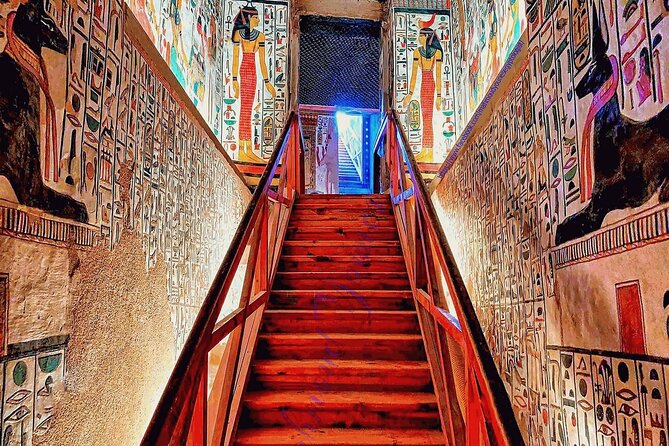
This tour does not treat tombs as interchangeable. It gives you named stops, with time to step into each burial complex and notice what is different.
Tomb of Ramses III (KV11)
You spend about 30 minutes at KV11, the tomb of Ramses III. It is known since antiquity, and the decorations include colorful painted sunken reliefs featuring traditional ritual texts, including the Litany of Ra and the Book of Gates, with scenes of Ramses before the gods.
What makes this tomb especially compelling is the mix of religious and secular imagery in small side rooms. You can see foreign tributes, detailed pottery reportedly imported from the Aegean, the royal armoury, boats, and a final chamber with the blind harpists. That is where the tomb gets its alternate identity, Tomb of the Harpers.
If you like art that tells more than one story, KV11 is your best stop in the Valley of the Kings section.
Tomb of Ramses IX (KV6)
Next, you go to KV6, about 30 minutes. This tomb is among the first in the valley and has been open since antiquity. It also includes inscriptions left by ancient visitors, which is a fascinating reminder that this was not just for kings and priests. People wrote marks in the tomb space long ago.
KV6 is the burial place of Pharaoh Ramses IX. Archaeological findings suggest it was completed in a hurry, with corners cut after his death. You also have an interesting structural sequence here, with a gate and a shallow descending ramp, followed by corridors and side chambers that are not finished or decorated.
KV6 is a useful contrast tomb, because it shows you how not every royal tomb was built at the same pace or with the same level of completion.
Tomb of Merenptah (KV8)
You then visit KV8, around 30 minutes, for the tomb of Merenptah. This tomb stands out because the burial chamber is unique compared to other tombs. There are niches on the front and rear walls, describing Merenptah resting in a set of four stone sarcophagi.
The tomb also reflects physical adjustments during the process of bringing sarcophagi inside, including door jamb modifications and pillar removals. The corridor program is also packed: scenes tied to the Litany of Re, the Amduat, the Book of Gates, and the Book of the Dead, with ceilings representing astronomical scenes. In one corridor, you also see Merenptah shown in an Opening of the Mouth moment.
KV8 is great if you want to understand how the Egyptians mapped cosmology and ritual text into wall space.
Tomb of Tutankhamun
Finally, you stop at the Tomb of King Tutankhamun, also about 30 minutes. Tickets are not included here, but the timing gives you enough time to look at the tomb space without feeling like you are only passing through.
Tutankhamun is one of the names modern visitors instantly recognize. Even if you already know his story, a short guided visit helps you place the tomb within the Valley of the Kings world, where royal identity is expressed through ritual decoration and burial architecture.
How the guide and private vehicle shape your day
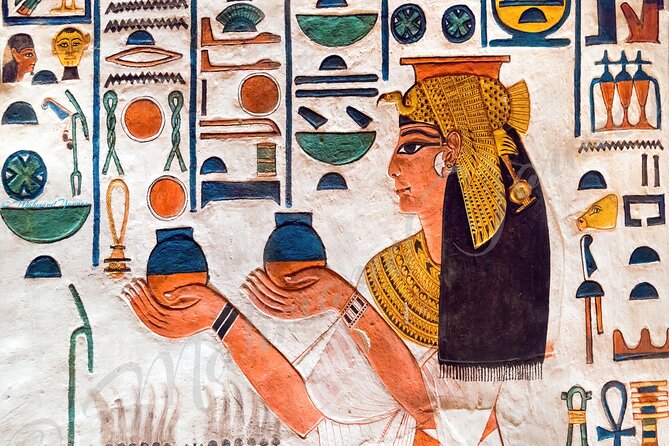
This tour includes all transfers by private A/C vehicle, plus hotel pickup and drop-off in Luxor and bottled water. Those items might sound basic, but for Luxor they are real value. A long day across multiple sites can go sideways fast if you are waiting, negotiating, or moving in the wrong order.
The qualified Egyptologist guide is the other half of the equation. One highlight that comes through strongly is how the guide handles photos and keeps you moving through every planned stop. That matters because Luxor monuments are photo magnets, but if you let photos control the clock, you end up sprinting at the end.
I also like that this is a private tour, meaning only your group participates. That is helpful for families, and it is helpful if you are the kind of person who wants to pause and ask questions without worrying that you are holding up strangers.
Optional items are also clearly marked. Entry fees are not included, and lunch is optional. A hot air balloon is optional too, but it is not part of the main plan.
Price and value: what $15 covers, and what you should still plan for
The headline price is $15 per person, and that is hard to ignore. The value is not in skipping entry fees. The value is in what the tour package covers: private A/C transfers, hotel pickup and drop-off, bottled water, and a qualified Egyptologist guide.
Those inclusions save you time and stress. In practical terms, you are paying to have someone plan the route, manage the timing, and help you understand what you are seeing as you move between the major sites.
The main cost to plan for is entry tickets. Most stops list admission tickets as not included, meaning you should expect to pay for monument access during the day. The Colossi of Memnon is listed as ticket included, so you might get at least one relief from that line-item.
Lunch is optional. If you prefer eating quickly and getting back to monuments, you can treat lunch as a flexible choice rather than a forced stop. If you prefer a sit-down meal, you can plan for one during your free time.
If you are short on time in Luxor, this kind of full-day route also protects you. It is usually cheaper than piecing together multiple separate tours and transport arrangements.
Who should book this Luxor tour
Book this tour if you want the big names without the planning headaches. It is a strong fit for:
- First-time Luxor visitors who want Karnak, Hatshepsut, and the Valley of the Kings in one day
- Families who need an efficient schedule and a guide who can keep things organized
- Photographers who want time at major photo stops, not just a rushed pass-through
- Travelers who prefer private transport and hotel convenience
If you are the type who wants only one or two tombs, with hours spent in each, you might find the tomb sequence a bit packed. In that case, you could consider a slower plan focused on fewer sites. But if you want a high-impact day that still includes real time at each place, this works well.
Should you book this Luxor highlights tour?
I would recommend booking this tour if your priority is to see Luxor’s best-known monuments in a single, well-paced day with private comfort. The strongest reasons are the Egyptologist guide, the smooth private A/C transfers, and the structured tomb plan across KV11, KV6, KV8, and Tutankhamun.
Just go in knowing that entry tickets are mostly on you, and that the day is long. If you budget for tickets and keep a flexible mindset, you will leave with a clear sense of how the East Bank ceremonial world connected to the West Bank burial world.
FAQ
Is hotel pickup and drop-off included?
Yes. The tour includes hotel pickup and drop-off in Luxor, plus private A/C transfers.
How long is the tour?
The duration is about 9 to 10 hours.
Are entry tickets included?
Entry fees are not included for most stops. The itinerary lists admission tickets as not included for places like Karnak, Hatshepsut, and the Valley of the Kings tombs. The Colossi of Memnon is listed as admission ticket included.
What is included in the price?
Included features are private A/C transfers, hotel pickup and drop-off, bottled water, and a qualified Egyptologist guide.
Is this a private tour?
Yes. It is a private tour/activity, and only your group participates.
Can I cancel and get a full refund?
Yes. Free cancellation is available, and you can cancel up to 24 hours in advance for a full refund.
Are service animals allowed?
Yes. Service animals are allowed.
Newly added near Luxor
- Full-Day Private Guided Tour in the West Bank of Luxor★ 5.0 · 22 reviews
- Amazing 3 nights Nile cruise includes tours from Luxor to Aswan★ 5.0 · 57 reviews
- Hot Air Balloon Flight in Luxor with Pickup★ 4.5 · 14 reviews
- Quad Bike safari Experience in Luxor★ 4.5 · 62 reviews
- Private 2 Day Luxor Tour★ 5.0 · 71 reviews
- Private transfer from Luxor to Hurghada★ 5.0 · 43 reviews
- Private Tour in Luxor Egypt included entrance fees★ 5.0 · 11 reviews
- Private Transfer From Luxor to Marsa Alam★ 5.0 · 28 reviews
Historical Tours, compared.
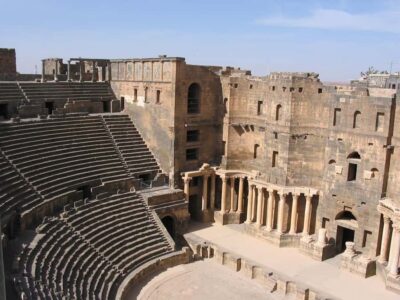
Private Full-Day Tour of Historical Alexandria
Read our review →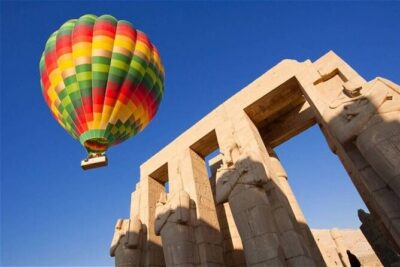
Sunrise Hot Air Balloon Over the Historical sites in Luxor
Read our review →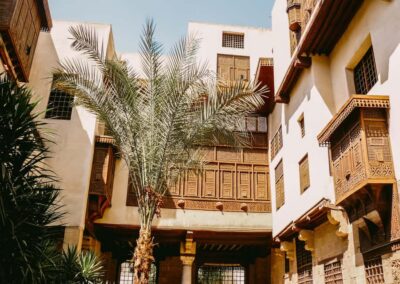
Old Cairo Guided Walk Tour: History, Culture & Street Bites
Read our review →
Historical Alexandria Shared Day Tour with Lunch
Read our review →
3-Day Siwa Oasis Tour, Safari, Camp & Historical Site
Read our review →
3-Day Luxor Aswan and Abu Simbel Historical Sites Private Tour
Read our review →Browse the lists this tour appears in