
Reviewed · LUXOR & ASWAN NILE CRUISES
Nile cruise between Luxor and Aswan: Sail the best temples in Egypt
A Nile cruise from Luxor to Aswan feels like time travel. This 5-day trip balances big-name temples with real downtime on the river, so you get to see Ancient Egypt and still breathe. I love the way the route groups the key monuments into logical days, and I really like that admissions and guided stops are built in. One thing to think about: it starts early, and you will do a fair bit of walking and waiting, especially on the busiest temple mornings.
Another plus is the human touch. The guide often credited in this experience is Mohamed Gaber (Moha), known for clear explanations, an engaging style, and even occasional mini-theater moments that make symbols and stories stick. You are also on a smaller group size, up to 30 travelers, which makes it easier to keep pace and ask questions. Still, if you want lots of free, unguided museum-style wandering, this format may feel structured.
In This Review
- Key Highlights You’ll Actually Care About
- Luxor to Aswan: Why This 5-Day Nile Cruise Works
- Pickup, Start Time, and Day 1 in Luxor
- Valley of the Kings, Deir el Bahari, and Karnak on Day 2
- Edfu and Kom Ombo: The Temple Style Switch on Days 3
- Abu Simbel and Philae: The Day Trip That Can Redefine the Whole Trip
- Nile Down Time, Pool Breaks, and Navigation
- Meals and What You’ll Spend Extra
- Guide Style Matters: Mohamed Gaber (Moha) and the Small-Group Feel
- Price and Value: Is $625 a Good Deal?
- Who Should Book This Luxor to Aswan Cruise (and Who Should Pause)
- Should You Book This Nile Cruise Between Luxor and Aswan?
- FAQ
- What is the duration of the Luxor to Aswan Nile cruise?
- How much does the cruise cost per person?
- Where do I get picked up in Luxor?
- What time does the experience start?
- What is included in the price?
- Are Abu Simbel and the Nubian village optional?
- Is the felucca ride included?
- Is drinks or tipping included?
Key Highlights You’ll Actually Care About
- A route that fits the Nile storyline from Luxor to Edfu to Kom Ombo to Aswan
- Included admissions for the main sites, so you spend less time sorting tickets
- Mohamed Gaber (Moha) as the guide style benchmark, with explanations that land and moments that feel fun
- Time to rest on the water, including navigation plus pool time
- A felucca ride that shifts the view from cruise comfort to everyday river life
- Optional add-ons that can upgrade the trip, especially Abu Simbel
Luxor to Aswan: Why This 5-Day Nile Cruise Works
The Luxor to Aswan route is popular for a reason. You start with the New Kingdom giants of Luxor, move north to the well-preserved temple at Edfu, then connect to the dual-purpose Kom Ombo temple. By the time you reach Aswan, you are ready for the island temples and the river-edge feeling that makes southern Egypt feel different.
I like that this tour does not just list monuments. It builds a rhythm: major sites in focused blocks, then navigation and downtime between them. That matters because temple days can blur together if you do them too fast. Here, the pacing gives you space to process what you saw, then look again the next day with better questions.
Price matters too. At $625 per person, you are not only paying for a boat. You are paying for accommodation for 4 nights, pickup and transfer help, included tickets, and a steady schedule of lunches and dinners. If you tried to piece together the same route yourself, the admissions and transport coordination are where trips usually get messy, fast.
More Nile Cruises in Luxor
- From Luxor: 3-Night Nile Cruise to Aswan and Hot Air Balloon
★ 3.7 · 297 reviews - 5 Days Private Guided Nile River Cruise Tour from Luxor to Aswan
★ 5.0 · 229 reviews - Historia Hotel Nile Cruise, Mon. from Luxor 4 nts inc. Excursions
★ 5.0 · 185 reviews
Pickup, Start Time, and Day 1 in Luxor
The trip begins in Luxor, with pickup arranged from the airport, train station, or your hotel. The start time is listed as 6:00 am, so plan on an early morning even if your exact pickup point is different.
Day 1 is the one that gives you your bearings. Once you are collected and brought to the boat, you settle in your room and start meals according to the schedule. Then the day is left open. That is a smart design for jet lag, and it is also practical if you want to watch Luxor change color in the evening without rushing.
If you do go out on your own Day 1, keep it simple. Luxor is easier when you give yourself time, not when you try to conquer it in a single night. You will do plenty of structured time with the guide soon enough.
Also note the small practical detail: this experience uses mobile tickets, which cuts down on last-minute paperwork.
Valley of the Kings, Deir el Bahari, and Karnak on Day 2
Day 2 is the big temple day, and it is built to teach you what you are looking at. You begin with the Valley of the Kings, a necropolis where many pharaohs of the New Kingdom were buried. You can enter three tombs of your choice, which is a nice way to keep the experience from feeling like a rigid checklist. If you prefer variety over depth, you can pick the more distinct tombs. If you like slowing down, choose fewer and spend longer inside.
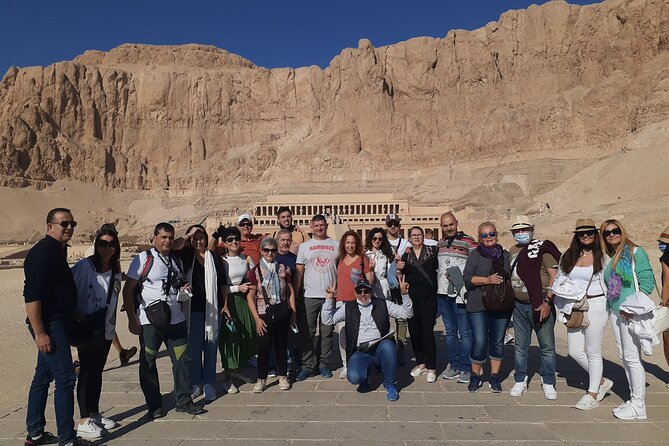
Next comes the Temple of Hatshepsut at Deir el Bahari. This is one of the standout monuments in Egypt for how it sits in the landscape and how it signals power through architecture. You get about an hour, which is usually enough time to take in the layout, look for the biggest details, and then ask questions about the meaning behind the design.
Then you get the quick, memorable shock of the Colossi of Memnon. These two colossal statues can look almost too oversized to be real until you are standing next to them. It is short and deliberate, like a palate cleanser between deeper stops.
After that, you move into Karnak Temple. Karnak was built over about 2,000 years by different pharaohs, and that layering is part of the point. You will see features like the avenue of sphinxes, the hall of columns, and the avenue of the rams. This is where having a guide who can explain the order and the symbols helps most.
The day closes with Luxor Temple, dedicated to Amun Ra, and tied to the idea of kingship and divine authority. One hour here is efficient. You get a sense of the sacred space without turning the day into an all-day sprint.
Practical consideration: Day 2 is packed. Even with included tickets, you still need comfortable shoes and patience for walking and occasional lines.
Edfu and Kom Ombo: The Temple Style Switch on Days 3
Day 3 gives you two very different temple experiences, and that contrast is useful. First is Edfu Temple, dedicated to Horus. It is described as one of the best preserved temples in Egypt, and you feel that preservation in the walls, carvings, and overall readability of the space. You have around two hours, which is enough time to notice the big storytelling elements and not just skim.
Then you shift to Kom Ombo Temple, which is special because it was built for two gods: Sobek and Haroeris. This dual dedication can feel confusing if you do not have context. With a good guide, it becomes a lesson in how Egyptians structured worship and meaning in the same sacred precinct.
Why I like this day: it teaches you that Egyptian temples are not all one template. Even within the same civilization, the focus shifts. That makes the later Aswan stops feel even more intentional.
More Nile cruise itineraries:
- From Luxor: 5-Day Nile Cruise to Aswan with Balloon Ride
★ 4.2 · 168 reviews - 4 Nights Luxor to Aswan Nile cruise with Abu Simbel&Air Balloon
★ 5.0 · 155 reviews - 4 Days Aswan and Luxor Nile cruise&Abu Simbel by plane from Cairo
★ 5.0 · 155 reviews - From Luxor: 3-Day Nile Cruise to Aswan with Private Guide
★ 4.2 · 147 reviews
Abu Simbel and Philae: The Day Trip That Can Redefine the Whole Trip
On Day 4, you have two temples that many Egypt fans treat as the highlight moments. The Abu Simbel excursion is marked optional, and it is also framed as a must. Here is the practical side of that recommendation: Abu Simbel takes effort, and it can attract long lines depending on the day. But the reward is big. These temples were excavated in rock during the reign of Ramses II and dedicated to him and his wife Nefertari.
If you want one moment that feels like pure spectacle, Abu Simbel is usually the answer. If you are already burned out from walking, you might skip it and keep your energy for Philae and the river. But if you can handle a long day, this is the time to go.
After Abu Simbel, you head to Philae Temple, dedicated to Isis. Philae sits on an island, so you arrive by boat. That boat transfer is not just transport. It changes your approach to the temple. You see it arrive on the water, then step into the sacred space with the whole setting already part of your memory. You get about an hour here.
Then you get a fun bonus: a felucca ride on the Nile. This is about one hour and it is a useful contrast to the cruise. On a felucca, you feel closer to everyday river life and the slower pace of the water.
Optional add-on: there is also a Nubian village visit listed as optional, with an included meeting with local villages and a pass near a place where you can bathe if you dare. The duration is about three hours, and it is noted as not included for admission. Since details beyond that are not provided, I suggest deciding only if you enjoy community-based visits and are comfortable with extra time away from the main temple route.
Nile Down Time, Pool Breaks, and Navigation
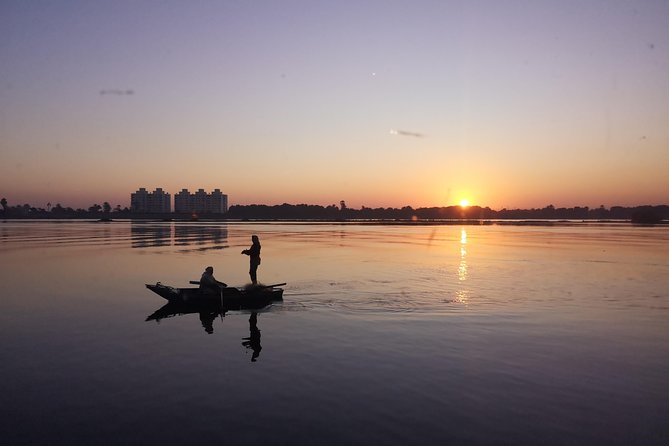
A big reason people choose a Luxor to Aswan cruise is the river itself. This trip schedules downtime in a way that actually helps. On Day 2, you have afternoon navigation on the Nile while traveling between Luxor and Edfu, with about three hours listed for it. The description specifically points out resting, including sunbathing at the pool’s edge.
That kind of pause is not a luxury if you are trying to remember what you just learned. It gives your brain a break. You can cool down, look at the riverbanks passing by, and then return to the next site with fresh attention.
Then on Day 4, the river shows up again in the felucca ride and the boat transfer to Philae. This is a tour where the water is not decoration. It is part of the day.
Meals and What You’ll Spend Extra
Food is handled in a straightforward way. The cruise includes lunches for five days and dinners for four. That is valuable because it reduces guesswork and keeps you from hunting for meals during busy temple schedules.
What is not included is clear: drinks are not included, and tips are not included. That means you should budget for bottled water and soft drinks, especially if you like having something on hand during long days.
One more practical note: Day 1 is free time in Luxor, so your own spending may be higher on that first day depending on what you choose to do.
Guide Style Matters: Mohamed Gaber (Moha) and the Small-Group Feel
The strongest theme in the feedback for this experience is not the temples alone. It is how the experience is explained.
The guide Mohamed Gaber, often called Moha, is credited repeatedly with making the sites easy to understand. He is described as attentive and organized, with extensive knowledge of Egyptian history and culture. People also point out that he does it in a way that feels fun, sometimes including small theater-style moments with the group. That matters because temple symbolism can become boring if it is only dates and names.
There is also praise for the boat leadership. The director of the boat, referred to as Máximo, gets mentions for being very helpful and friendly. While you should not expect a movie-star service level on a budget, these kinds of comments usually signal that day-to-day logistics are handled with care.
And again, the group size is capped at 30. That makes a difference. Big groups can turn questions into a waiting game. Smaller groups keep the pace more human.
Price and Value: Is $625 a Good Deal?
For $625 per person, you are getting a lot bundled together. The essentials that drive value are:
- 4 nights accommodation on the cruise
- Pickup in Luxor from airport, station, or hotel
- Transfer support in Aswan to your chosen drop-off point
- All tickets for the listed visits and included stops
- Meals with five lunches and four dinners
When these items are separate, they add up quickly. The price is also easier to trust because the route is structured and the ticket coverage is explicit.
Where the value can change for you is based on optional choices. If you add things like Abu Simbel and the Nubian village visit, your time and costs may shift. Still, Abu Simbel is listed as optional but highlighted as worth doing, and the admission ticket for the optional stop is marked included in the itinerary notes.
If you want an Egypt cruise that feels organized instead of DIY, this price tends to make sense.
Who Should Book This Luxor to Aswan Cruise (and Who Should Pause)
This tour is best for you if you want:
- a clear Luxor to Aswan route with major temples
- a guide who helps you understand what you are seeing, not just where to stand
- enough downtime on the water that you do not feel wrecked after each site
- a small-group experience capped at 30
You might pause before booking if:
- you hate structured schedules and prefer total independence
- you are sensitive to early starts, since Day 1 starts at 6:00 am for the pickup window
- you dislike options and would rather commit to a single plan. There are optional stops, and deciding can affect your energy.
Should You Book This Nile Cruise Between Luxor and Aswan?
I think this is a strong choice if you want a classic Luxor to Aswan itinerary with good pacing and included admissions. The biggest reason is the combo: temples that matter plus a guide style that turns them into stories you can actually hold onto. If you are the type who likes learning while you walk, this works well.
If you are undecided, here is an easy decision rule. If Abu Simbel feels like a must-see for you, book this cruise and plan your energy for Day 4. If you are more about a relaxed pace than big temple days, still consider it, but go in with realistic expectations about early mornings and temple-heavy blocks.
FAQ
What is the duration of the Luxor to Aswan Nile cruise?
The duration is listed as about 5 days.
How much does the cruise cost per person?
The price is listed as $625.00 per person.
Where do I get picked up in Luxor?
Pickup is offered in Luxor from the airport, train station, or your hotel, based on the time and place you indicate.
What time does the experience start?
The start time is listed as 6:00 am.
What is included in the price?
Included items are the accommodation for 4 nights on the cruise, pickup in Luxor, transfer in Aswan, all visits mentioned in the itinerary, all tickets to those places, and meals (5 lunches and 4 dinners). Mobile tickets are also mentioned.
Are Abu Simbel and the Nubian village optional?
Yes. The Abu Simbel excursion is optional, and the Nubian village visit is also optional.
Is the felucca ride included?
Yes. A felucca ride on the Nile River is included.
Is drinks or tipping included?
No. Drinks and tips are not included.
More Cruises & Boat Tours in Luxor
- Hurghada: 2-Day Luxor Tour with Hotel, Balloon, & Boat Ride
★ 4.5 · 1,113 reviews - Amazing Sunset sailing by Felucca in Luxor -2 Hours (Private)
★ 5.0 · 255 reviews - Luxor: Private East and West Banks Tour and Felucca Cruise
★ 4.7 · 209 reviews - Luxury 5 Days Nile River Cruise from Luxor to Aswan with Private Tour Guide
★ 5.0 · 114 reviews
Newly added near Luxor
- Full-Day Private Guided Tour in the West Bank of Luxor★ 5.0 · 22 reviews
- Amazing 3 nights Nile cruise includes tours from Luxor to Aswan★ 5.0 · 57 reviews
- Hot Air Balloon Flight in Luxor with Pickup★ 4.5 · 14 reviews
- Private transfer from Luxor to Hurghada★ 5.0 · 43 reviews
- Quad Bike safari Experience in Luxor★ 4.5 · 62 reviews
- Private 2 Day Luxor Tour★ 5.0 · 71 reviews
- Private Tour in Luxor Egypt included entrance fees★ 5.0 · 11 reviews
- Private Transfer From Luxor to Marsa Alam★ 5.0 · 28 reviews
Luxor & Aswan Nile Cruises, compared.
4-Days Nile Cruise From Aswan To Luxor including Abu Simbel and Hot Air Balloon
Read our review →
4-Day 3-Night Nile Cruise from Aswan to Luxor&Abu Simbel+Balloon
Read our review →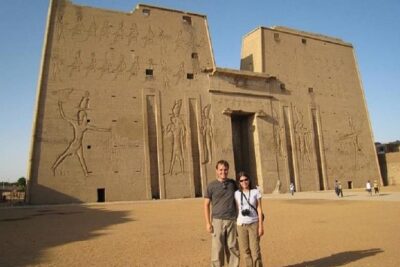
4-Day 3-Night Nile Cruise from Aswan to Luxor including Abu Simbel, Air Balloon
Read our review →
4-Day Nile Cruise from Aswan to Luxor with Guide
Read our review →4-Days Nile Cruise From Aswan To Luxor including Abu Simbel and Hot Air Balloon
Read our review →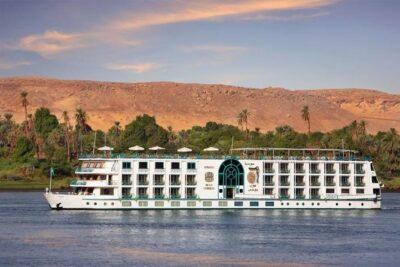
4-Day 3-Night Nile Cruise from Aswan to Luxor – Private Tour
Read our review →4 Days Nile Cruise from Aswan to Luxor including Abu Simbel and Hot Air Balloon
Read our review →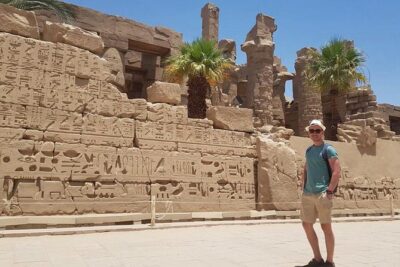
4-Day 3-Night Nile Cruise from Aswan to Luxor With Balloon and Abu Simbel
Read our review →Browse the lists this tour appears in