
Reviewed · ABU SIMBEL DAY TRIPS
5 days 4 night Nile Cruise from Luxor with Balloon and Abu Simbel
Starting your Egyptian dream with an early balloon is a smart move. This 5-day, 4-night cruise pairs big Luxor sights like Karnak and the Valley of the Kings with an Aswan finale that includes Philae and the High Dam, then adds the long, early Abu Simbel run. I especially like how the plan ties together so many iconic sites without you wrestling with daily logistics, plus the full-board setup on the ship makes the days feel smoother.
One possible drawback to consider is that temple entry fees are not included, so your final cost will depend on which tickets you need. The good news is the sightseeing is tightly scheduled and the transfers are handled, which is exactly what you want in Egypt when time and heat can both bite.
In This Review
- Key Highlights You’ll Feel Immediately
- A Nile Cruise That Starts With Sunrise, Not Stress
- Luxor Balloon Ride: The Best Way to See the City Layout
- Karnak and Luxor Temple: Why This Is More Than One Big Temple
- Colossi of Memnon and the Valley of the Kings: The Royal Scale Hits Hard
- Deir el Bahari and Queen Hatshepsut’s Terraces: Architecture as Power
- Edfu Temple and Kom Ombo: Two Nile Stops With Different Personalities
- Aswan High Dam and Philae Temple: When Modern Work Saves Ancient Work
- Abu Simbel From Aswan: The 4:30 Start That Can Be Worth It
- Ship Life in the Middle: Food, Relaxation, and Pool Time
- Cost and Value: What the $630 Covers, and What It Doesn’t
- Group Size, Timing, and Transfers: How Logistics Affect Your Enjoyment
- Who This Tour Suits Best
- Should You Book This 5-Day Luxor to Aswan Cruise With Balloon and Abu Simbel?
- FAQ
- How long is the cruise?
- Where will I be picked up?
- Is the hot-air balloon ride included?
- Are temple entry fees included?
- What meals are included?
- Is Abu Simbel part of the tour, and how do transfers work?
- What is the group size?
- Does the cruise ship have facilities for relaxing?
- What if I need to cancel?
Key Highlights You’ll Feel Immediately

- Hot-air balloon over Luxor at sunrise, then temple visits while the day is still young and cooler
- Full-board cruise days with breakfast, lunch, and dinner, plus time to relax between stops
- Egyptologist-led explanations that help you understand why each monument was built
- Philae Temple moved to higher ground, so you’re seeing a living result of UNESCO preservation work
- The Abu Simbel early departure, including round-trip from Aswan as a group transfer
- Small group size (max 20), which makes the day trips feel more manageable
A Nile Cruise That Starts With Sunrise, Not Stress
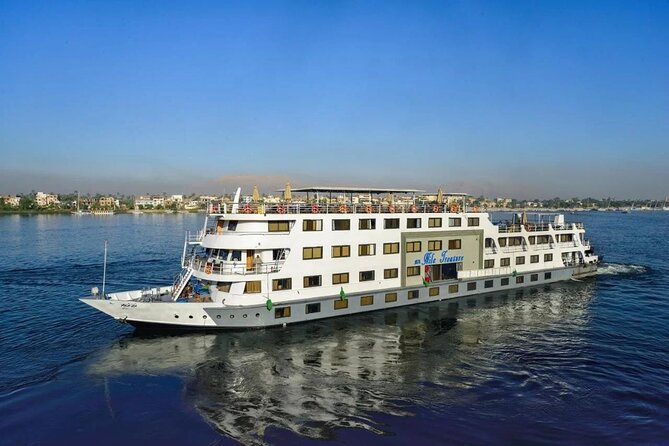
The best Nile cruises don’t just float, they organize your days so you hit the major temples when your energy is highest. This one is built around that idea. You begin in Luxor with pickup from Luxor International Airport, the train station, or your hotel, then check in and get your first meal on board. From there, your mornings do the heavy lifting, and your afternoons feel more like breathing room.
What I like most is the mix of monuments that are visually impressive and ones that teach you how the ancient Egyptians thought. Karnak and Luxor Temple show you the grand, state-level religious power, while Deir el Bahari and the Valley of the Kings shift the focus to royal ideology and burial. The cruise rhythm makes that contrast easier to feel, instead of turning everything into one long temple blur.
The other plus is practical: this trip includes air-conditioned transport for the shore excursions and a qualified Egyptologist guide. You spend less time asking where to go, and more time actually looking.
More Nile Cruises in Luxor
- From Luxor: 3-Night Nile Cruise to Aswan and Hot Air Balloon
★ 3.7 · 297 reviews - 5 Days Private Guided Nile River Cruise Tour from Luxor to Aswan
★ 5.0 · 229 reviews - Historia Hotel Nile Cruise, Mon. from Luxor 4 nts inc. Excursions
★ 5.0 · 185 reviews
Luxor Balloon Ride: The Best Way to See the City Layout
The hot-air balloon ride is the headliner for a reason. You fly in the early morning, in time to watch Luxor wake up below you. The ride itself is short, about 45 minutes, but it changes the way you view the whole region because from above you can actually connect the dots between the river, the temples, and the desert edge.
You’ll likely recognize the skyline quickly: the temples look different from the air, and the Nile looks like the backbone of everything. Even if you’re not the photo type, you’ll understand why people keep calling Luxor a masterpiece of placement.
Two practical notes matter here. First, the balloon has a strict weather dependency, and if it’s canceled, you receive a $25 refund. Second, a child under 6 years is not allowed on the balloon trip, so families need to plan around that.
Karnak and Luxor Temple: Why This Is More Than One Big Temple
Karnak isn’t just large. It’s layered. You’re not looking at a single building, you’re walking through a whole complex of sanctuaries and pylons dedicated to the Theban gods. On this cruise, you get about 2 hours there, long enough to notice patterns instead of sprinting past everything.
Karnak is also where you start to appreciate repetition in Egyptian art. Columns, gateways, and wall scenes echo themes again and again, but each reign and restoration adds its own stamp. If you let the guide explain what you’re seeing, you stop feeling like you’re reading a wall of symbols and start understanding the story being told.
Then comes Luxor Temple, built around 3400 years ago by Amenhotep III and Ramses II. You get another 2 hours, and it’s a good contrast with Karnak because Luxor Temple feels more compact and more directly connected to the daily pulse of the city. You finish the tour and transfer back to the cruise in a private air-conditioned vehicle, so the schedule doesn’t drag.
Colossi of Memnon and the Valley of the Kings: The Royal Scale Hits Hard
The Colossi of Memnon are the kind of monument that makes you do a quick reality check: two massive statues facing the world, linked to Amenhotep III. You see them early, about 10 minutes, and it works as a visual warm-up for what comes next.
Then the schedule turns to burial, which is where Egypt gets serious. The Valley of the Kings is the royal graveyard on the west bank, tied to the New Kingdom pharaohs from the 18th through 20th dynasties. You get about 2 hours here, and this is exactly the stop where an Egyptologist guide can make a huge difference because the tombs are famous, but the meaning is what stays with you.
What I’d plan for emotionally: the valley is narrow, the light can be harsh, and you might feel like you’re just passing entrances. But if the guide talks through the burial purpose and what different tombs represent, it turns into a set of connected stories rather than a checklist.
More Abu Simbel runs:
- Luxor: Abu Simbel Temple Private Guided Day Trip with Lunch
★ 4.6 · 546 reviews - 4 Nights Luxor to Aswan Nile cruise with Abu Simbel&Air Balloon
★ 5.0 · 155 reviews - 4 Days Aswan and Luxor Nile cruise&Abu Simbel by plane from Cairo
★ 5.0 · 155 reviews - Luxor: 4 Days Nile Cruise with Guided Tours & Abu Simbel
★ 4.5 · 104 reviews
Deir el Bahari and Queen Hatshepsut’s Terraces: Architecture as Power
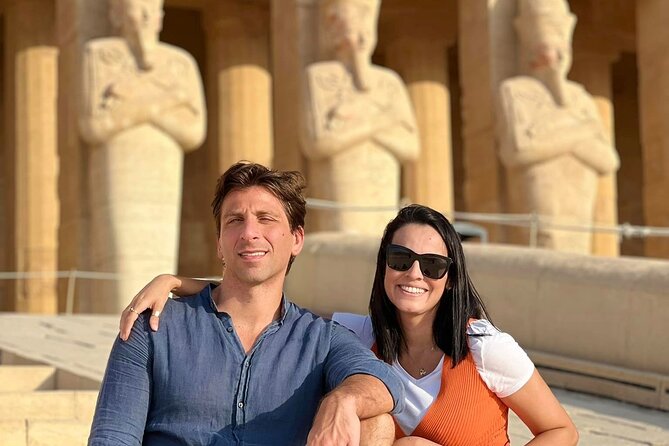
Queen Hatshepsut’s temple at Deir el Bahari is often the highlight for people because it’s both dramatic and logical. The terraces rise up from the desert floor and then meet the cliffs, so the whole place feels designed to be seen from far away. You get about 2 hours, which helps because you’re not just staring straight ahead, you’re walking along lines of sight.
Hatshepsut built this mortuary complex during her reign, and the temple is strongly tied to her identity as a ruler. It’s also connected to a bigger story in the same landscape: the tomb KV20 is within the massif, and there’s a valley temple on the edge of the desert complex, linked by a causeway.
The standout detail for many visitors is that the architecture doesn’t feel random. It feels intentional, like stone used as political language. If you pay attention to alignments and the way terraces step up, you start seeing why people call it a masterpiece.
Edfu Temple and Kom Ombo: Two Nile Stops With Different Personalities
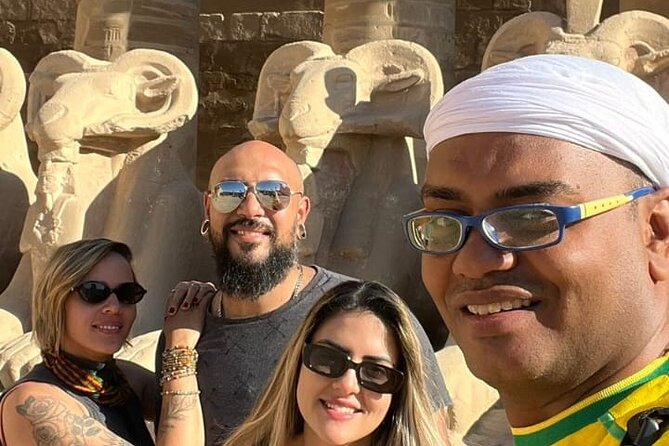
After Luxor’s west bank drama, the cruise moves along the Nile corridor where temples are spaced like milestones. This day brings Edfu Temple and Kom Ombo, and the order matters because it helps you compare two styles of temple worship.
Edfu Temple, associated with Horus, is described as the most well-preserved temple in Egypt. You get about 2 hours. This matters because preservation changes what you can learn. You can still see carved scenes clearly enough to understand the flow, and you’re less likely to feel like everything is too broken to read.
Kom Ombo follows in the afternoon, about 2 hours, and it has a distinct twist: it’s a duplicated temple built for two gods, Sobek (the crocodile god) and Horus. This double layout gives you variety. One visit feels like one complex, but the symbolism shifts depending on the area you’re standing in.
If you like temples that have a little personality and not just size, this is a good pairing. The guides can point out how the same river-region culture expressed itself through different divine focus.
Aswan High Dam and Philae Temple: When Modern Work Saves Ancient Work
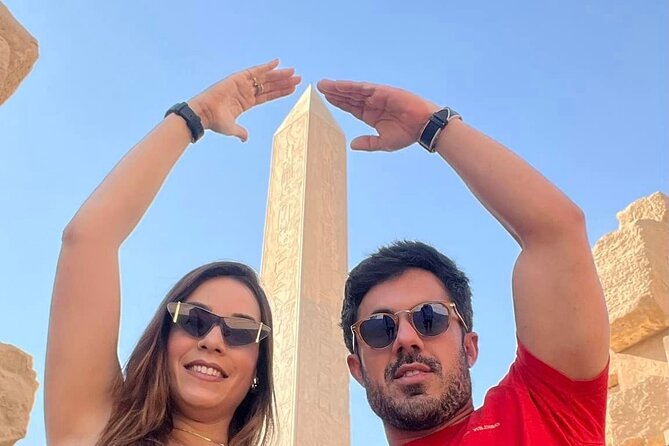
Aswan isn’t only about ancient monuments. It’s also about how people protected them. The Aswan High Dam stop is brief, about 30 minutes, but it’s still worth it because it explains why the river you see today is not the same river ancient Egyptians worked with.
Then you go to Philae Temple. This is where the story turns into a real-world lesson about preservation. Philae was originally located on an island, but it ended up underwater after the Aswan Low Dam created flooding patterns. During the International Campaign to Save the Monuments of Nubia, the complex was dismantled and moved to Agilkia Island. When you walk through it, you’re not only seeing ancient Egypt, you’re seeing the modern decision to protect it.
You get about 2 hours here. That’s enough time to enjoy the temple setting and absorb what the relocation means, especially if your Egyptologist connects the geography to the flooding changes.
Abu Simbel From Aswan: The 4:30 Start That Can Be Worth It
Abu Simbel is the kind of place where you either do it properly or you feel regret. This trip handles it with an early pickup. You’re collected around 4:30 for a shared small-group ride, and you arrive around 8:00 to visit the rock-cut temples of Ramses II and his beloved Queen Nefertary. The full Abu Simbel day is long, listed as 9 hours total, but it’s built around arriving at the right time for the visit.
The temples are dramatic in design, and the key point is that you’re seeing a major monument carved directly into rock. That kind of craftsmanship is hard to appreciate if you’re tired, so plan to treat this day as your big effort and save your shopping energy for later.
A practical tip: this is one of those days where sleep and water matter more than you think. You’ll get through it better if you stay ready for a long morning ride and a concentrated viewing window.
Ship Life in the Middle: Food, Relaxation, and Pool Time
This cruise is full-board, so you’re not stuck hunting down meals between temple visits. You get breakfast 4 times, lunch 4 times, and dinner 4 times, with accommodation for 4 days and 3 nights on a full-board basis. On arrival day, you also have lunch on board.
From the way people describe the experience, the onboard meals are a real strength. The food is said to be excellent and varied, including Egyptian and international dishes, and drinks are available as part of the onboard rhythm. That matters because temple days drain you. When meals are handled, you can focus on the sights instead of timing your hunger.
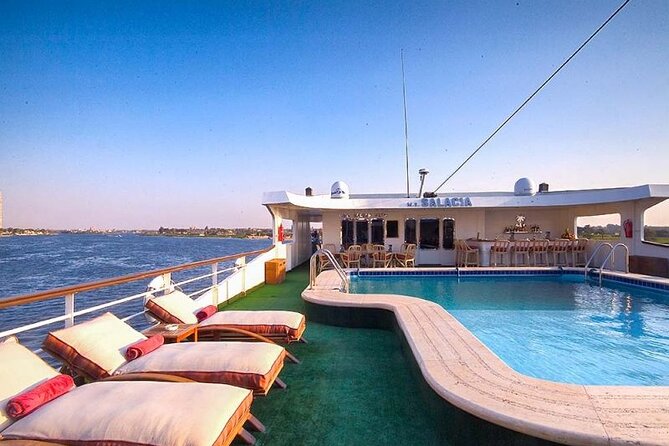
The ship also has a swimming pool and onboard entertainment, which is a nice recovery tool. After long excursions, a little downtime helps you stay present when the next morning comes.
Cost and Value: What the $630 Covers, and What It Doesn’t
At $630 per person, the big question is what you’re buying beyond the cruise itself. Here, you’re paying for organization: pickup and meet-and-assist, air-conditioned transport for shore excursions, accommodation for 3 nights, full-board meals, an Egyptologist, and the key add-ons of a hot-air balloon and round-trip Abu Simbel transfer from Aswan as a group.
The main cost caveat is that entry fees for historical sites are not included. That means your final total depends on what tickets you choose or what your program requires. Also, gratuities are not included, and tips for cruise staff, guides, and drivers are described as not mandatory, but in real life you’ll be dealing with people who make your day work.
If you want best value, budget separately for entry fees and set a modest tipping amount you’re comfortable with ahead of time. That keeps the trip from becoming a surprise expense after you arrive.
Group Size, Timing, and Transfers: How Logistics Affect Your Enjoyment
A max group size of 20 makes a difference. Big groups mean long lines, more waiting, and less time at each viewpoint. Here, the schedule feels more controlled, especially because transfers are handled and shore excursions use air-conditioned vehicles.
The day flow also helps you deal with Egypt’s timing reality. You start early for the balloon, you do major Luxor sights before midday fatigue, and you finish each day with the cruise giving you a base again. That means you’re not constantly relocating or checking in again and again.
And yes, timing can be intense. Abu Simbel is the long one, and you’ll feel it. But it’s also why the stop is included as a proper day trip rather than a DIY scramble.
Who This Tour Suits Best
This is a strong match for you if you want the big-name Egypt highlights in one run, without spending your days on logistics. It’s also ideal if you like guidance. With an Egyptologist explaining what you’re seeing, sites like the Valley of the Kings and the relocated Philae Temple make more sense than just looking at carved walls.
It can be a good family option too, since the overall experience includes relaxation onboard and major attractions that hold attention. Just be aware the hot-air balloon has the under-6 restriction.
If you hate early mornings and long travel days, you might find Abu Simbel tough. But if you’re the type who loves ticking off the major monuments with confidence, this cruise style delivers.
Should You Book This 5-Day Luxor to Aswan Cruise With Balloon and Abu Simbel?
I’d book it if you want a curated, efficient Nile experience that mixes famous temples with real context. The combination of Luxor balloon sunrise, Egyptologist-led explanations, full-board comfort, and the Abu Simbel round-trip is good value as a single package, especially because you won’t be figuring out transfers each day.
Hold off if you have a tight budget for entry tickets or you strongly prefer to travel at your own pace with lots of unscheduled time. Also, if early starts will ruin your trip, Abu Simbel is the big test.
If you’re okay planning your day around mornings and you want Egypt’s headline sites done well, this is the kind of cruise that earns its place on your list.
FAQ
How long is the cruise?
It’s a 5-day experience, described as 5 days and 4 nights, running from Luxor to Aswan.
Where will I be picked up?
Pickup is offered from Luxor International Airport, Luxor train station, or your hotel in Luxor.
Is the hot-air balloon ride included?
Yes, the hot-air balloon is included. If it is canceled, you receive a $25 refund. A child under 6 years is not allowed on the balloon trip.
Are temple entry fees included?
No. Entry fees to historical sites are not included.
What meals are included?
Accommodation is on a full-board basis, with breakfast, lunch, and dinner included (breakfast 4 times, lunch 4 times, dinner 4 times). Lunch on board is also listed on the first day.
Is Abu Simbel part of the tour, and how do transfers work?
Yes. The tour includes a round-trip Aswan-Abu Simbel transfer with a group, and you are picked up around 4:30 with an arrival around 8:00 for the visit.
What is the group size?
The maximum group size is 20 travelers.
Does the cruise ship have facilities for relaxing?
Yes. The overview mentions a swimming pool and onboard entertainment.
What if I need to cancel?
You can cancel up to 24 hours in advance for a full refund. If you cancel less than 24 hours before the start time, you will not receive a refund.
Luxor Balloon Mornings
- Hot Air Balloon Ride in Luxor Egypt with Transfers Included
★ 5.0 · 4,319 reviews - Luxor: Hot Air Balloon Ride over Luxor Relics
★ 4.8 · 1,681 reviews - Hurghada: 2-Day Luxor Tour with Hotel, Balloon, & Boat Ride
★ 4.5 · 1,113 reviews - Luxury Sunrise Balloon Ride in Luxor with Hotel Pickup
★ 5.0 · 1,104 reviews
Nile Cruise Itineraries
- From Luxor: 5-Day Nile Cruise to Aswan with Balloon Ride
★ 4.2 · 168 reviews - From Luxor: 3-Day Nile Cruise to Aswan with Private Guide
★ 4.2 · 147 reviews - Luxury 5 Days Nile River Cruise from Luxor to Aswan with Private Tour Guide
★ 5.0 · 114 reviews - From Luxor: 5 Days 4 Nights Nile Cruise to Aswan
★ 4.5 · 108 reviews
Newly added near Luxor
- Full-Day Private Guided Tour in the West Bank of Luxor★ 5.0 · 22 reviews
- Amazing 3 nights Nile cruise includes tours from Luxor to Aswan★ 5.0 · 57 reviews
- Hot Air Balloon Flight in Luxor with Pickup★ 4.5 · 14 reviews
- Private transfer from Luxor to Hurghada★ 5.0 · 43 reviews
- Quad Bike safari Experience in Luxor★ 4.5 · 62 reviews
- Private 2 Day Luxor Tour★ 5.0 · 71 reviews
- Private Tour in Luxor Egypt included entrance fees★ 5.0 · 11 reviews
- Private Transfer From Luxor to Marsa Alam★ 5.0 · 28 reviews
Abu Simbel Day Trips, compared.
4-Days Nile Cruise From Aswan To Luxor including Abu Simbel and Hot Air Balloon
Read our review →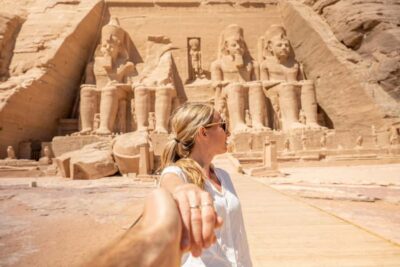
4-Day 3-Night Nile Cruise from Aswan to Luxor&Abu Simbel+Balloon
Read our review →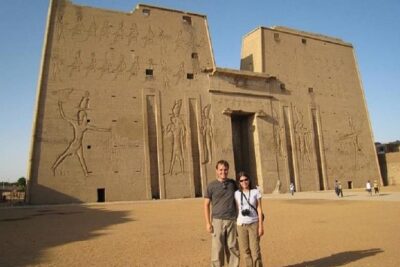
4-Day 3-Night Nile Cruise from Aswan to Luxor including Abu Simbel, Air Balloon
Read our review →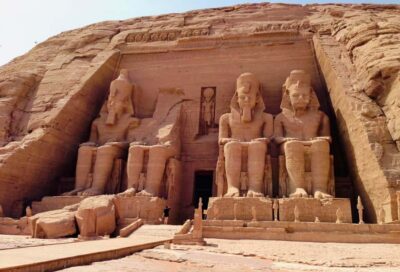
Abu Simbel Temple Private Guided Day Trip with Lunch
Read our review →4-Days Nile Cruise From Aswan To Luxor including Abu Simbel and Hot Air Balloon
Read our review →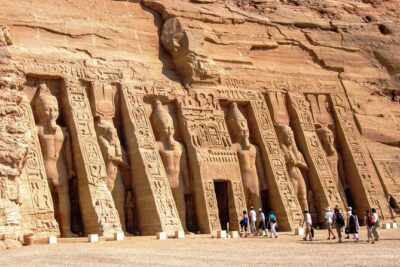
Private Day Tour to Abu Simbel Temples from Aswan
Read our review →