
Reviewed · HISTORICAL TOURS
Explore the history and treasures of Luxor in two days
Luxor hits you fast, in the best way. This 2-day private tour brings you through the Karnak and Luxor Temple powerhouses, then back across the river for the West Bank monuments like Hatshepsut and the royal valleys. I love how the plan pairs big, famous sites with smaller ones that add flavor, and I really liked the human touch from the guide Mohammed, who was clear, helpful, and even gave tips for local shops. One drawback to think about is that entry fees are not included, so you will want to budget for tickets at the main temples and tombs.
The pacing also feels practical. You get hotel pickup and drop-off, private A/C rides between stops, mineral water during visits, and lunch (2). You should also know that the hot air balloon is optional and not included, so it is worth deciding ahead of time if you want that sunrise view.
In This Review
- Key highlights to look for
- East Bank start: temples plus a cruise lunch rhythm
- Karnak Temple Complex, built for gods and built on ambition
- Luxor Temple, and the Opet Festival connection
- Luxor Museum and the mummification museum for context you will use
- Day 1 evening energy: belly dance on the lighter side
- Optional hot air balloon sunrise over the West Bank
- Valley of the Kings: royal burials and tight time
- Hatshepsut at Deir el Bahari: queen, temple, and power
- Colossi of Memnon: quick stop with lasting atmosphere
- Medinet Habu and the Valley of the Queens: a quieter kind of wow
- Tutankhamun tomb: why this one is a big deal
- Price and logistics: where the value comes from
- Who this private tour suits best
- Booking with Horus Tours in Egypt, and a note on guides
- Should you book this Luxor two-day tour?
- FAQ
- Pickup is included in the tour?
- Is an Egyptologist guide included?
- Are meals included?
- Do I get mineral water during the visits?
- Are entry fees included for temples and tombs?
- Is the hot air balloon tour included?
- Is this tour private?
- How long is the experience?
- Is free cancellation available?
- Are service animals allowed?
Key highlights to look for
- Egyptologist guidance that helps you make sense of what you are seeing, not just where to stand for photos
- Private A/C transportation and hotel pickup and drop-off for an easier two days
- Karnak and Luxor Temples as the essential East Bank duo, linked by how the ancient festival season worked
- A strong West Bank day with Valley of the Kings, Hatshepsut at Deir el Bahari, and Tutankhamun
- Extra texture on the West Bank with Medinet Habu and the Valley of the Queens, not just the headline stops
- Optional hot air balloon at sunrise over the West Bank, if you want the classic Luxor view
East Bank start: temples plus a cruise lunch rhythm
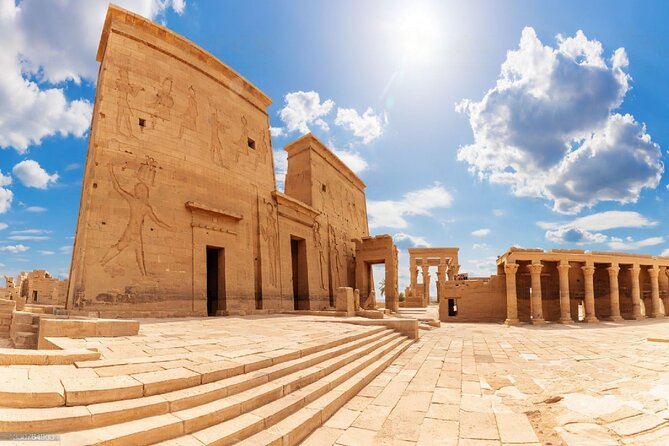
Day 1 begins with arrival support, then a transfer to embark a Nile Cruise before lunch. After lunch on board, you head straight into the East Bank temple zone. This is a smart way to structure the day, because it puts you near the main monuments while you still have energy, then later you return to the West Bank when it is time for tombs and funerary architecture.
East Bank days in Luxor can feel like a nonstop “wow, next” parade. This one keeps it manageable by focusing on the big two temple complexes first, then adding museums that slow you down and give context. If you want to understand what the stones mean, these stops matter.
Other Luxor options on the table
- Sunrise Hot Air Balloon Over the Historical sites in Luxor
★ 5.0 · 697 reviews - 3-Day Luxor Aswan and Abu Simbel Historical Sites Private Tour
★ 5.0 · 34 reviews - Explore the history and treasures of Luxor on a full-day tour
★ 5.0 · 21 reviews
Karnak Temple Complex, built for gods and built on ambition
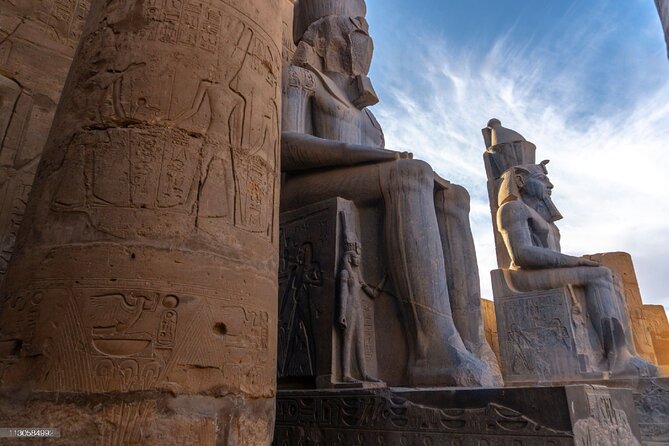
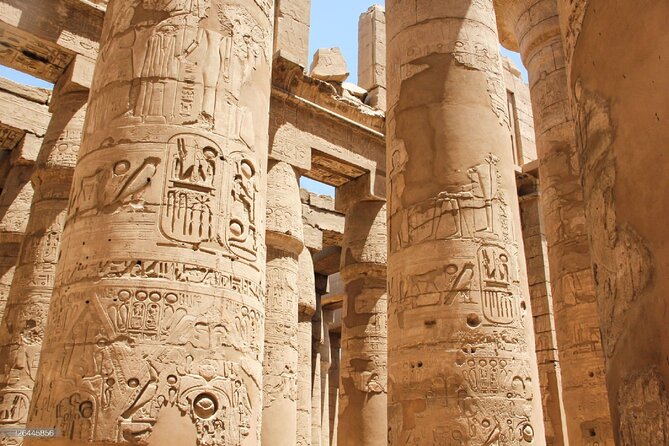
Karnak is one of those places where scale becomes part of the story. The Karnak Temple Complex is described as a fortified-village in Arabic terms, and the site functions like a whole cluster of temples, chapels, and buildings rather than one single structure. It was dedicated to Amun, Mut, and Khonsu, and it spans a huge time range, from around 2055 BC to about 100 AD.
What I like about visiting Karnak in a guided format is that you get help connecting the dots. You are not just looking at walls. You are seeing how religion, politics, and royal building campaigns stacked up over centuries. With about 2 hours here, you should aim to spend time orienting yourself before you start chasing details, because Karnak rewards the right kind of attention: first bearings, then meaning.
Practical consideration: admission ticket is not included, so plan for a separate ticket cost. Also, the duration is set at 2 hours, which means you will want to decide in your mind what matters most to you, rather than trying to see everything.
Luxor Temple, and the Opet Festival connection
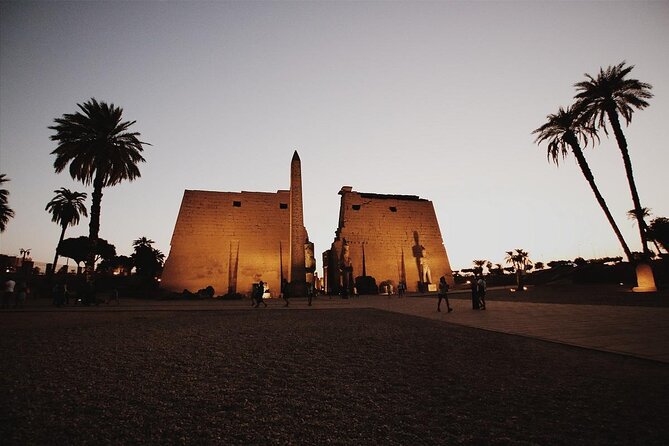
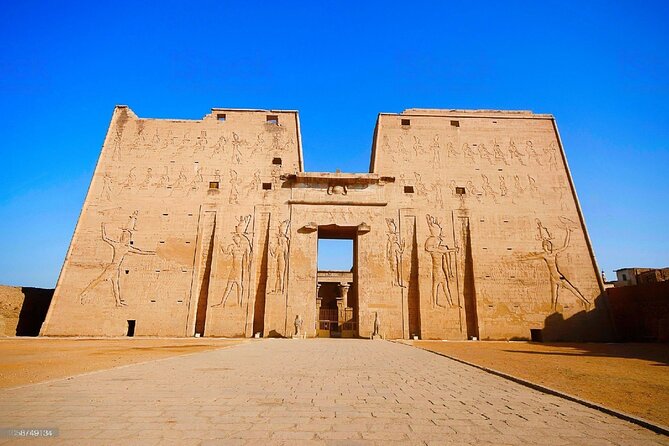
Luxor Temple sits about 3 kilometers south of Karnak, once connected by a processional way bordered with sphinxes. It is oriented toward Karnak in a way that tells you how ancient religious movement worked. The temple’s oldest evidence traces to the 18th Dynasty, roughly 1550 to 1295 BC.
Here is what makes Luxor Temple especially worth your time. It is linked to one of the most important festivals in ancient Egyptian religious life, the Opet Festival. In that event, cult images of Amun, his wife Mut, and their son Khonsu were transported in a grand procession from Karnak to Luxor Temple so they could visit the god Amenemopet, who resides there.
That is why I find it more satisfying when Karnak comes first. When you understand Luxor Temple as the other end of a religious journey, the temples stop feeling like separate stops and start feeling like a system. Admission ticket is not included here either, and the visit is about 2 hours.
Luxor Museum and the mummification museum for context you will use
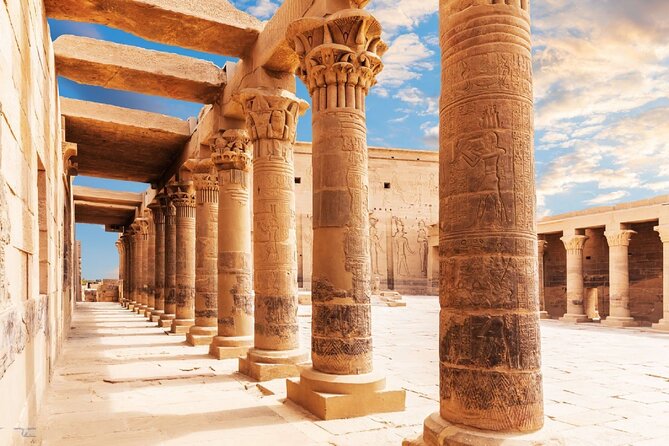
Between major temple visits, you get museum time. The Luxor Museum is scheduled for 1 hour, and it is listed as free entry in this tour plan. It is described as a major archaeological interest site, located in an area connected to a large share of Egypt’s antiquities.
Then there is the Mummification Museum, also listed as free, for 1 hour. This is a clear reset button from temple grandeur to everyday ancient practice. You learn about embalming techniques, and you also see that ancient Egyptians applied them not only to humans, but to other species like cats, fish, and crocodiles. The museum also shows tools used in the process.
If you are trying to leave Luxor with more than just “big monuments,” these museum hours help. They give you a concrete mental model for what you will later see in the royal tomb context on the West Bank.
Also reachable from Luxor:
- Hurghada: Luxor Valley of the Kings & Tutankhamun Tomb Trip
★ 4.7 · 13,208 reviews - Luxor Day Trip from Hurghada Small Group & Tutankhamun Tomb
★ 4.8 · 5,366 reviews - Hot Air Balloon Ride in Luxor Egypt with Transfers Included
★ 5.0 · 4,319 reviews - Luxor: Shared Full-Day Tour to Luxor West and East Banks
★ 4.5 · 1,812 reviews
Day 1 evening energy: belly dance on the lighter side
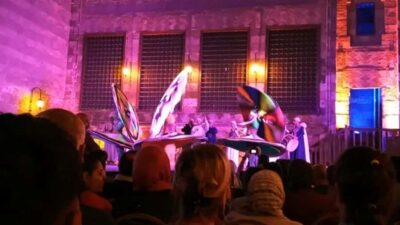
After the East Bank temples and museum stops, the itinerary includes a belly dance show. In Luxor, a cultural performance can go either way, depending on how it is staged. In this plan, it is simply slotted as part of the first day experience, giving you a change of pace before the more intense tomb day.
I like this balance because it keeps the two days from feeling like one long museum corridor. You get to absorb what you saw, then shift gears. If you are tired, it still works, since it is a seated, low-footprint activity compared to temple walking.
Optional hot air balloon sunrise over the West Bank
On Day 2, the tour offers an optional hot air balloon sunrise. It is scheduled for about 1 hour, and the admission ticket is not included. The big point here is the West Bank perspective at dawn, when the river and the temple-and-valley profile can look dramatically different than during the day.
This option can be worth it if you want one iconic “Luxor view” memory in addition to the tomb interiors. If you know you prefer to spend your time inside sites rather than on views, you might skip it and keep the energy for Valley of the Kings and Hatshepsut.
Valley of the Kings: royal burials and tight time

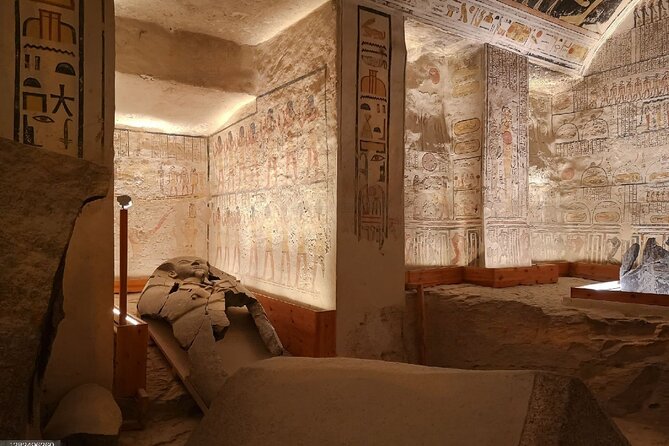
The Valley of the Kings is the major burial ground for royal pharaohs in the New Kingdom period, listed as 1539 to 1075 BC. The itinerary highlights famous names like Tutankhamun, Seti I, and Ramses II. Your visit time is about 2 hours, but admission ticket is not included.
What makes the Valley of the Kings feel different from temples is the goal of the architecture. This is not about public ceremony in the same way. It is about a journey and a permanent story. A guided approach helps you understand that each tomb entrance is part of a much larger system of beliefs, not just a chamber you walk into and out of.
Practical drawback: because entry fees are not included, your day’s total cost depends on which tombs you choose. The plan includes a specific tomb later in the itinerary, so you can think of the Valley of the Kings visit as building up to that moment.
Hatshepsut at Deir el Bahari: queen, temple, and power
Deir el Bahari is where Queen Hatshepsut’s temple takes center stage. The itinerary explains it as a funerary temple and sanctuary for Amon Ra, built to commemorate Hatshepsut’s achievements. It is an 18th Dynasty site, and it is also connected to a later Christian presence, since in the 7th century AD it was named after a Coptic monastery in the area.
This is one of the visits that benefits from a guide. Hatshepsut’s story is tied to how authority is expressed in stone. The temple’s design and placement help you grasp why it became a landmark not just of ancient Egypt, but of the idea of female rulership in a male-coded political world.
Admission ticket is not included for this stop, and the scheduled time is 2 hours. That is a good amount for absorbing the temple setting and not just rushing to the next photo spot.
Colossi of Memnon: quick stop with lasting atmosphere
The Colossi of Memnon are the two largest ancient statues in Egypt, tied to King Amenhotep III. Your visit here is about 20 minutes, and the admission ticket is listed as free.
This is the kind of stop I recommend you treat like a punctuation mark. You go from the deep historical narratives of tombs and the complex story of Hatshepsut, then you get a short moment where the scale hits you in one shot. It is brief, but it helps your brain file the West Bank as more than one type of site.
Medinet Habu and the Valley of the Queens: a quieter kind of wow
Medinet Habu is scheduled for about 2 hours and is listed as free entry. It is described as a temple built by Pharaoh Ramses III and dedicated to Amon. The itinerary also points out that Madinat Habu is one of the best temples on the West Bank and is easy to combine with nearby sites like the Valley of the Queens or Hatshepsut.
The Valley of the Queens, listed as Wādī al Malekāt in Arabic, is scheduled for 1 hour and also listed as free entry. It was the burial site for wives of pharaohs, and it was known then as Ta-Set-Neferu, meaning place of beauty.
I like that this tour does not treat the West Bank as only royal tombs for the big-name kings. It adds a second layer, showing you the funerary geography for royal families. If you are the type who likes to compare what different groups were meant to represent in death, these stops give you that contrast.
Tutankhamun tomb: why this one is a big deal
The itinerary includes the Tomb of King Tutankhamun, commonly referred to as Tut. Your visit time is about 1 hour, and the admission ticket is not included.
The key point from the tour description is that Tutankhamen was not especially important as a king, but his tomb was the only royal burial found intact in modern times. That makes it a major archaeological reference point, because it helps archaeologists record what an Egyptian king’s tomb looked like and learn about ancient Egypt.
So when you go, try not to treat it like a generic “famous tomb.” Treat it like a time capsule that shaped modern understanding. With only 1 hour scheduled, it is smart to keep your attention on what makes this tomb different from the others in the valley.
Price and logistics: where the value comes from
The tour price is listed as $110 per person for about 2 days, and pickup is offered. This is a good value structure when you look at what you actually get for that money: a qualified Egyptologist guide, hotel pickup and drop-off in Luxor, private A/C transportation, lunch (2), and mineral water during visits.
The part to watch is admissions. The itinerary clearly marks admission tickets as included for many museums and smaller stops, but it also repeatedly flags that tickets are not included for major sites like Karnak, Luxor Temple, Valley of the Kings, Hatshepsut, and the Tomb of Tutankhamun. So your out-of-pocket total depends on the tickets for the big ticket moments.
If you do the optional hot air balloon, that is also not included. My practical advice is to decide on balloon first, then estimate your remaining ticket costs around that choice. That way you do not end up surprised when you arrive at the ticket counters.
Who this private tour suits best
This private tour setup fits best if you want a clear plan and a guide who can connect history to what you are looking at. It is especially good if you:
- Want a two-day Luxor introduction without bouncing between taxis
- Like your itinerary to include both temples and context stops like museums
- Prefer a private group, with only your group participating
- Value safe, well-run logistics, like the safe driving noted during the tour experience
It may be less ideal if you hate structured time windows. Many stops are set at 1 to 2 hours, so you will be moving at the itinerary’s rhythm.
Booking with Horus Tours in Egypt, and a note on guides
This experience is provided by Horus Tours in Egypt. The setup includes a professional Egyptologist guide and private vehicles. One review highlight that matters to you as a potential booker is the mention of Mohammed as an informative and helpful guide, plus his support with practical things like answering questions, helping with timing, and offering tips on local shops and negotiating prices.
That kind of guidance is not just “nice.” It can change how much you enjoy each site. With historical monuments, having someone who can explain what you are seeing in plain language makes the difference between collecting images and understanding places.
Should you book this Luxor two-day tour?
Yes, I would book it if you want a straightforward way to hit Luxor’s essentials in two days with an Egyptologist and private transport. The value works because the big pieces are covered, lunches are included, and you do not need to coordinate separate guides or rides.
Skip the decision if you are the type who wants total freedom day by day, because admissions are separate and the schedule is built around specific time blocks. Also, if hot air balloon is a must for you, decide early so you can plan around the optional, not-included ticket.
If you like structure, good explanations, and a balanced mix of top temples plus museums and West Bank valleys, this tour is a strong way to get oriented fast and then enjoy the rest of Luxor with more confidence.
FAQ
Pickup is included in the tour?
Yes. The tour includes hotel pickup and drop-off in Luxor.
Is an Egyptologist guide included?
Yes. The tour includes a qualified and professional Egyptologist tour guide.
Are meals included?
Yes. Lunch is included twice, listed as lunch (2).
Do I get mineral water during the visits?
Yes. Mineral water is provided during visits.
Are entry fees included for temples and tombs?
No. Entry fees are not included. The itinerary also marks admission tickets as free for some stops, but several major sites are not included.
Is the hot air balloon tour included?
It is optional and not included in the admission ticket.
Is this tour private?
Yes. It is a private tour/activity, and only your group will participate.
How long is the experience?
It is approximately 2 days.
Is free cancellation available?
Yes. There is free cancellation. You can cancel up to 24 hours in advance for a full refund.
Are service animals allowed?
Yes, service animals are allowed.
Newly added near Luxor
- Full-Day Private Guided Tour in the West Bank of Luxor★ 5.0 · 22 reviews
- Amazing 3 nights Nile cruise includes tours from Luxor to Aswan★ 5.0 · 57 reviews
- Hot Air Balloon Flight in Luxor with Pickup★ 4.5 · 14 reviews
- Private transfer from Luxor to Hurghada★ 5.0 · 43 reviews
- Quad Bike safari Experience in Luxor★ 4.5 · 62 reviews
- Private 2 Day Luxor Tour★ 5.0 · 71 reviews
- Private Tour in Luxor Egypt included entrance fees★ 5.0 · 11 reviews
- Private Transfer From Luxor to Marsa Alam★ 5.0 · 28 reviews
Historical Tours, compared.
Private Full-Day Tour of Historical Alexandria
Read our review →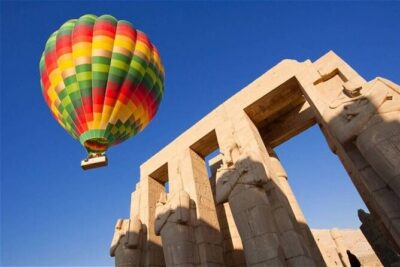
Sunrise Hot Air Balloon Over the Historical sites in Luxor
Read our review →
Old Cairo Guided Walk Tour: History, Culture & Street Bites
Read our review →
Historical Alexandria Shared Day Tour with Lunch
Read our review →
3-Day Siwa Oasis Tour, Safari, Camp & Historical Site
Read our review →
3-Day Luxor Aswan and Abu Simbel Historical Sites Private Tour
Read our review →Browse the lists this tour appears in